Buying clothes while your weight is still changing: the bridge wardrobe
Updated September 2026 · Sam’s Menswear editorial team
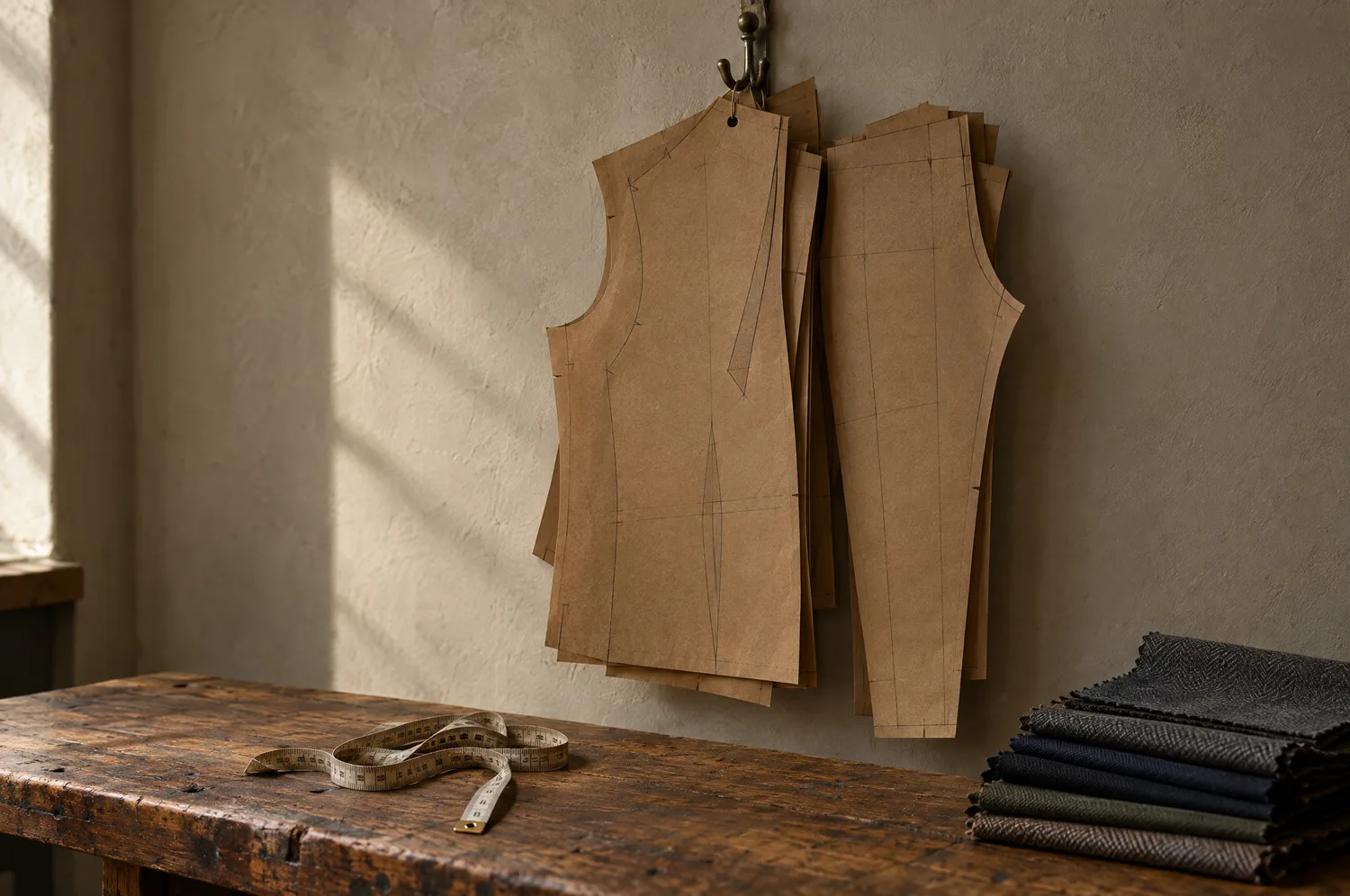
The hardest wardrobe to plan is the one for a body that’s in the middle of changing. Maybe you’re putting weight on and don’t know where it will stop. Maybe you’re losing it, on purpose or because of a medication, an illness or a new routine. Maybe it’s a new baby, a recovery, or a year that went sideways. Whatever the reason, the clothes you need this month won’t be the clothes you need in six.
The answer is a bridge wardrobe: a small set of things that get you through a normal week now, chosen so they keep working as you change, while the bigger decisions wait.
The rule that saves the most money
Never buy for the size you plan to be.
The suit bought small as motivation hangs in the wardrobe with its tags on. The suit bought big to grow into makes you look heavier than you are, every day you wear it. Both cost money and neither gets worn when it matters.
Dress the body you have this month. It’s the one people see.
The 90-day rule
If your weight has held within a few pounds for about three months, it has probably settled for now, and that’s a reasonable time to have important things made: the suit, the good trousers, a run of shirts.
Before that, buy the minimum. It’s a rule of thumb, not a law, but it stops the most expensive mistake, which is having a wardrobe made in March for a body that is gone by June.
What goes in the bridge wardrobe
Think about a normal week, not an ideal one, and cover it with the fewest pieces that can flex.
Trousers that adjust. Two or three pairs, and choose waistbands that move: side adjusters take up or give an inch without a belt, and braces hold trousers where you put them even as your waist moves. A belt can only grip; it can’t follow. If your weight is going up, a higher rise saves trousers from sliding under the stomach; trousers for a bigger belly covers why.
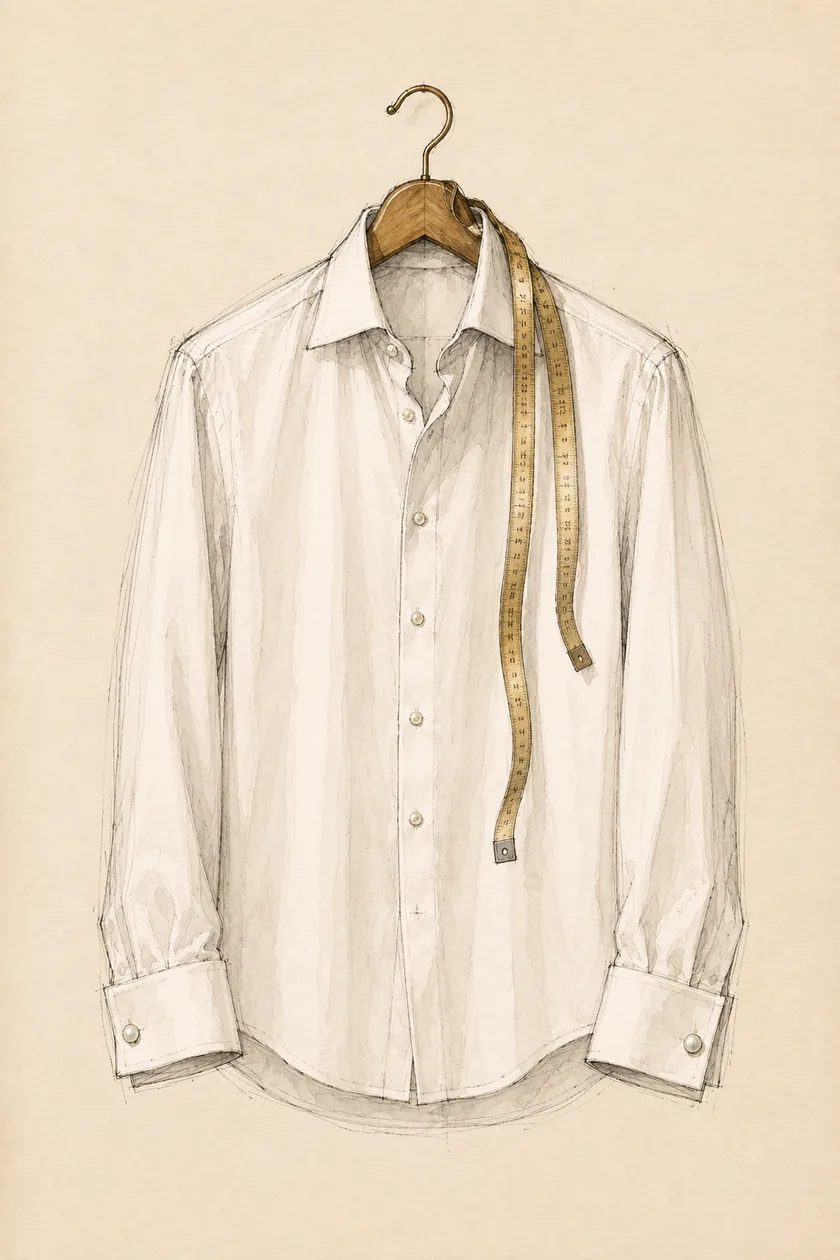
A few shirts that fit your neck now. Not a drawer of them. Two or three in white and light blue cover most weeks. For an event, a collar extender buys another half-inch under a tie; the collar guide explains when that works.
Knitwear before a jacket. A fine merino crew or a cardigan over a shirt is forgiving in a way a tailored jacket can’t be. Where your work allows it, a good knit does a jacket’s job for a few months.
One jacket, worn open. If you need a jacket, wear the one that fits your shoulders and wear it unbuttoned. An open jacket hides a tight waist completely.
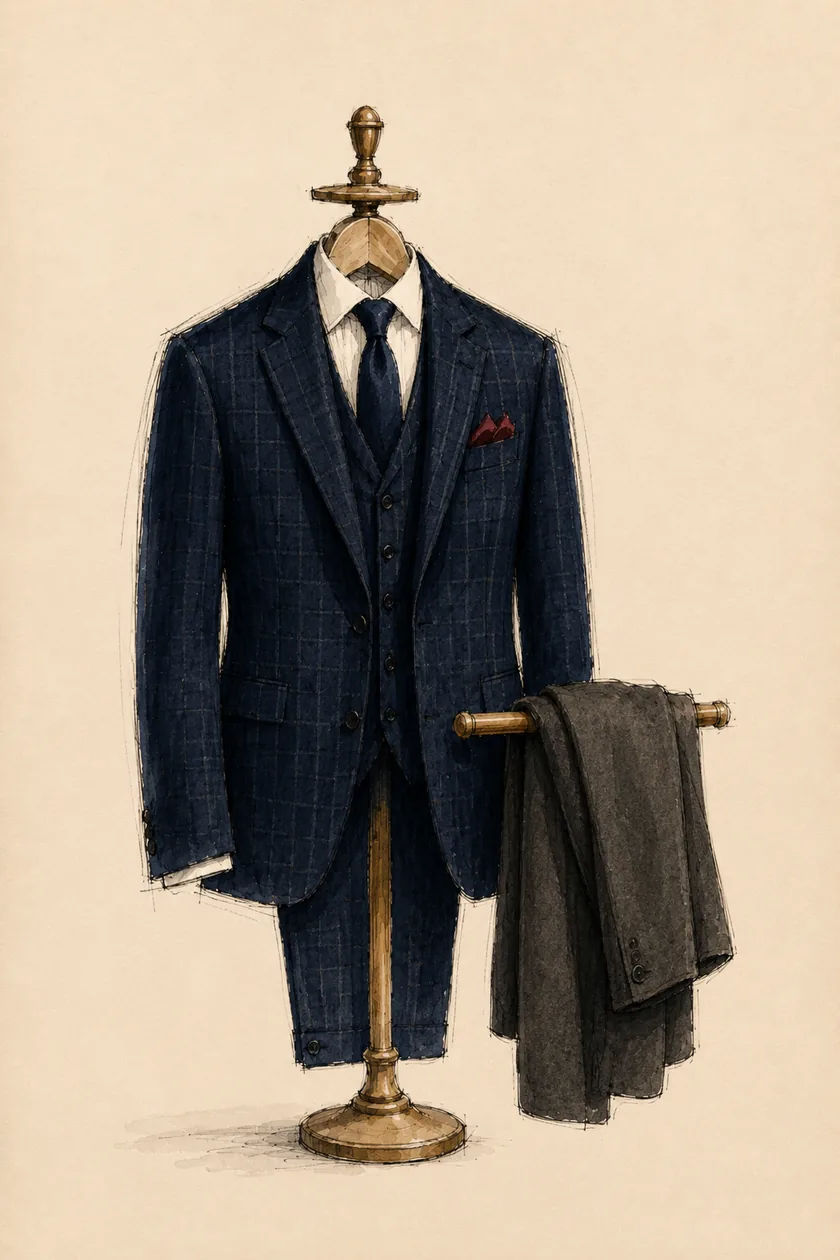
The suit you already own, altered. If you have a good suit that passes the mirror tests at the shoulders and chest, letting it out at the waist and seat may get you through a season of simchas without a new one.
If you’re losing weight, the news is better
Taking in is easier than letting out. Seams can almost always be taken in, because it only means sewing further into the cloth that’s already there. A suit or a pair of trousers that fits you now can follow you down a size or so with alterations at the waist, seat and legs.
What can’t follow you down is the shoulder. If you lose a lot of weight, there comes a point where the jacket’s shoulders are visibly too wide, and that’s when a jacket should be replaced rather than taken in again.
The one question to ask before anything is made
When you do have something made, ask the tailor how much cloth is being left in the seams.
The spare cloth inside the seams, the inlay, is what lets a garment be let out later. Trousers with a generous centre back seam and a split waistband can follow your waist; how much trousers can be let out explains exactly where it lives. If you know your weight may move again, say so at the measuring. It’s a sensible thing to plan for, and it’s better said at the start than discovered at the first alteration.
Why a pattern on file matters here
When your size keeps changing, the worst part of buying clothes is starting from zero every time: trying on, guessing at sizes, finding the one brand that sort of fits, then discovering they’ve changed the cut.
Clothes made to measure work differently. Once your pattern is on file with Sam, the next order starts from it. If your weight changes, you’re re-measured and the pattern is adjusted, so a new pair of trousers or a new run of shirts is a small change to something already known to fit, not a fresh gamble. Shirts take two to three weeks, the first and the twentieth alike, and suits take three to four.
The first appointment is at the studio in Vaughan, or Sam can come to your office or your home, and the fitting can be wherever is easier too. If you’re mid-change and don’t know what to do first, bring the three things you wear most and the one you miss wearing. That’s usually enough to make a plan.