א
Bekishe
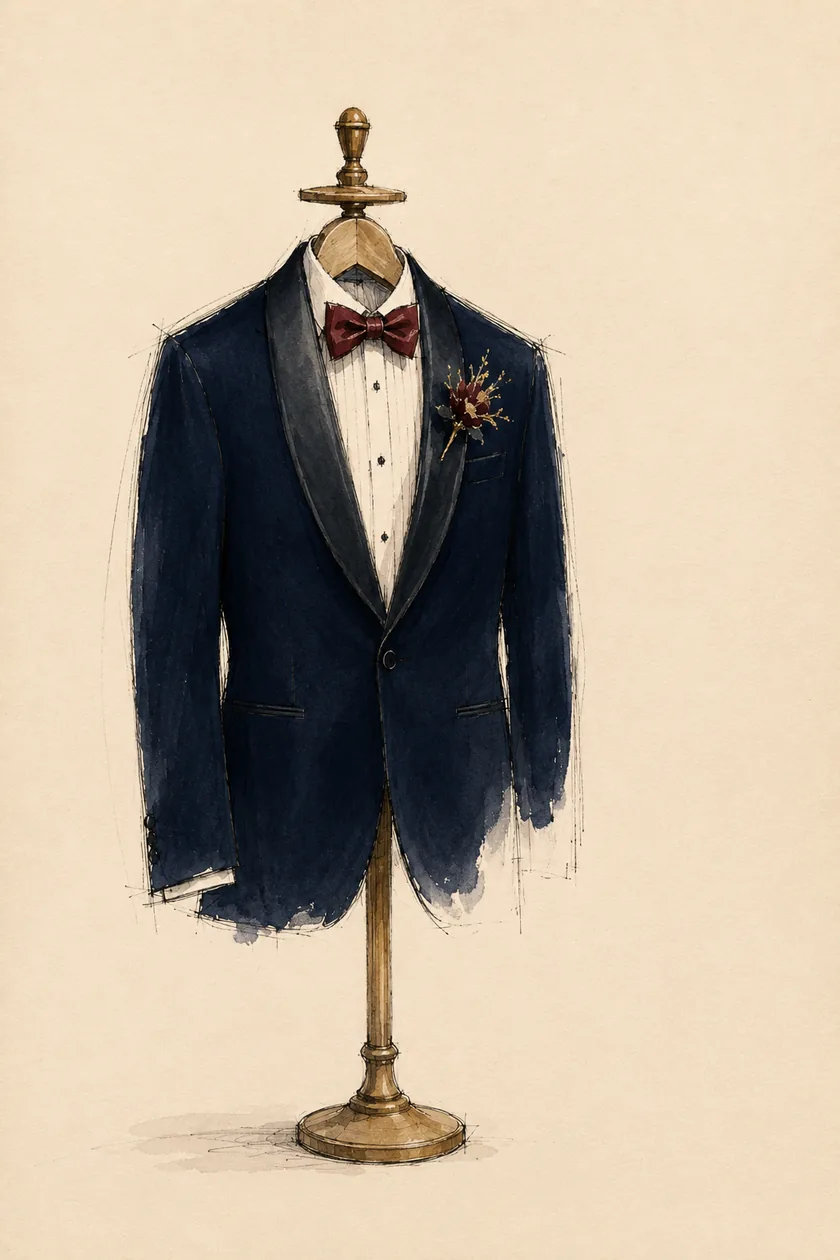
Satin or fine wool, full-length, single-breasted closure with double-row stitching. Cut to drape from the shoulders without strain, with allowance for the gartel and tzitzis.
Shabbos · Yom Tov · Simcha
Traditional menswear made with the discretion and craft a community expects. Bekishe, kapota, kittel, Shabbos suits, bar mitzvah and chosson tailoring: measured personally, fitted to the man who'll wear it.
★ 4.8 · 160 Google reviews · Discreet, one-on-one, never on Shabbos
Where can I have traditional Jewish menswear made in the GTA?
At the studio on the Vaughan and Thornhill line, measured and fitted by Sam personally, with proper allowance for the gartel and tzitzis. Bekishe, kapota, rekel, kittel, Shabbos suits and the full chosson wardrobe, made bespoke to your community's custom. Never fitted on Shabbos or Yom Tov.
A bekishe is not a costume. A kapota is not a uniform. They are the fabric of a community's most personal moments, and they deserve the same patience as a wedding suit.
Sam has been at the bench for over thirty years, and he makes the traditional garments for families from Bathurst to Rutherford. Father to son, generation to generation, with a long memory for the family's pattern book.
Every garment is fitted in the studio, in a quiet room, on the customer's own schedule: without rush, without distraction, and never on Shabbos or Yom Tov.
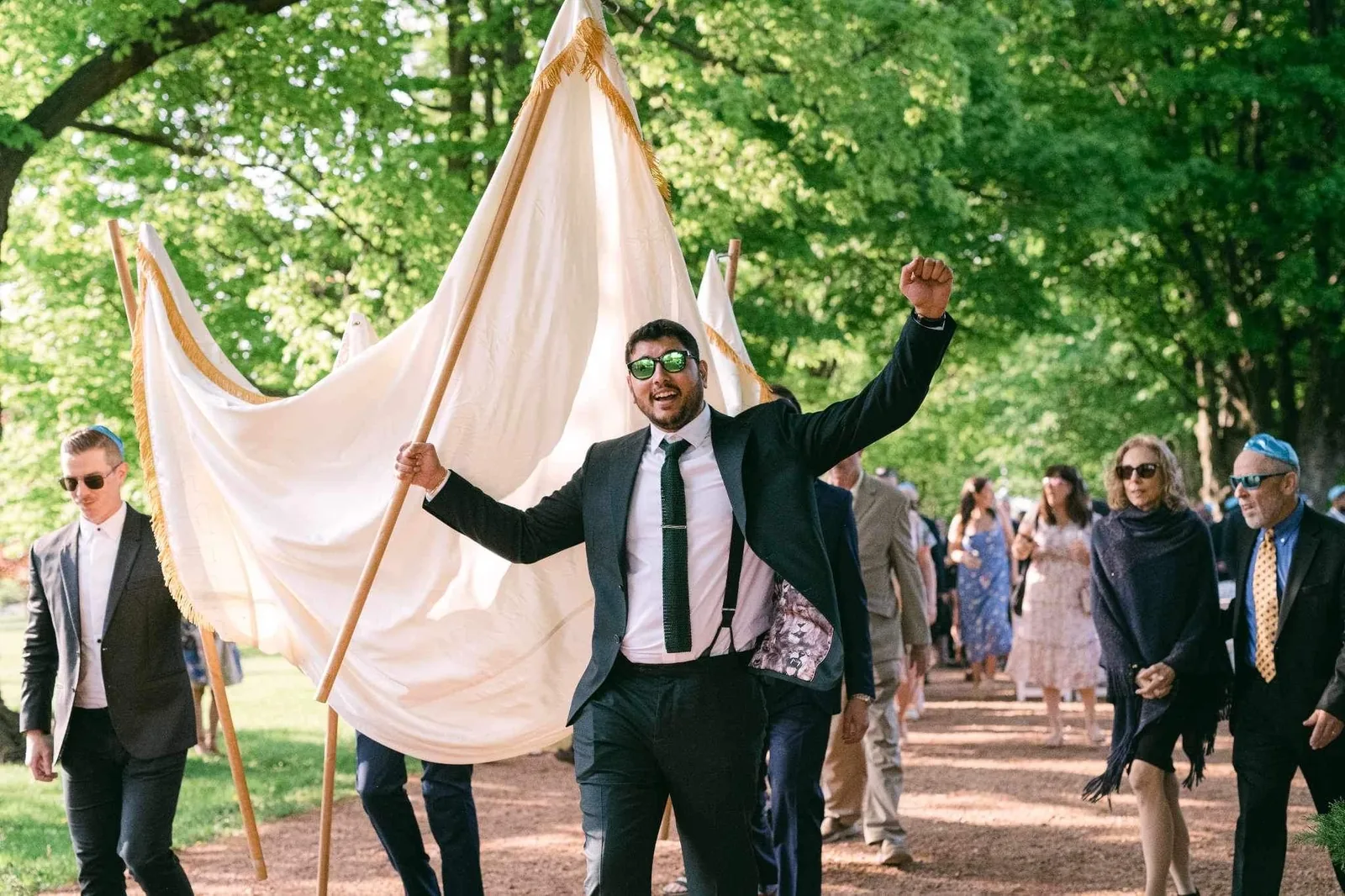
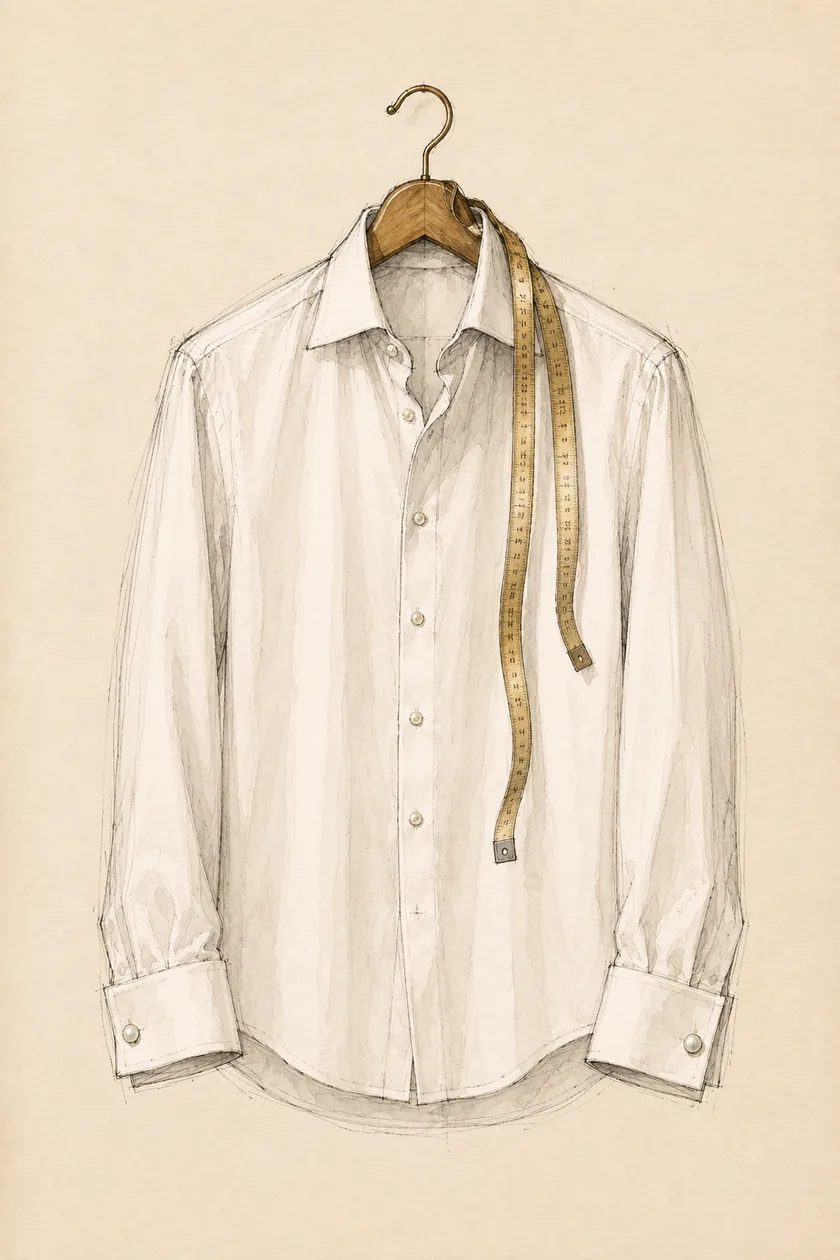
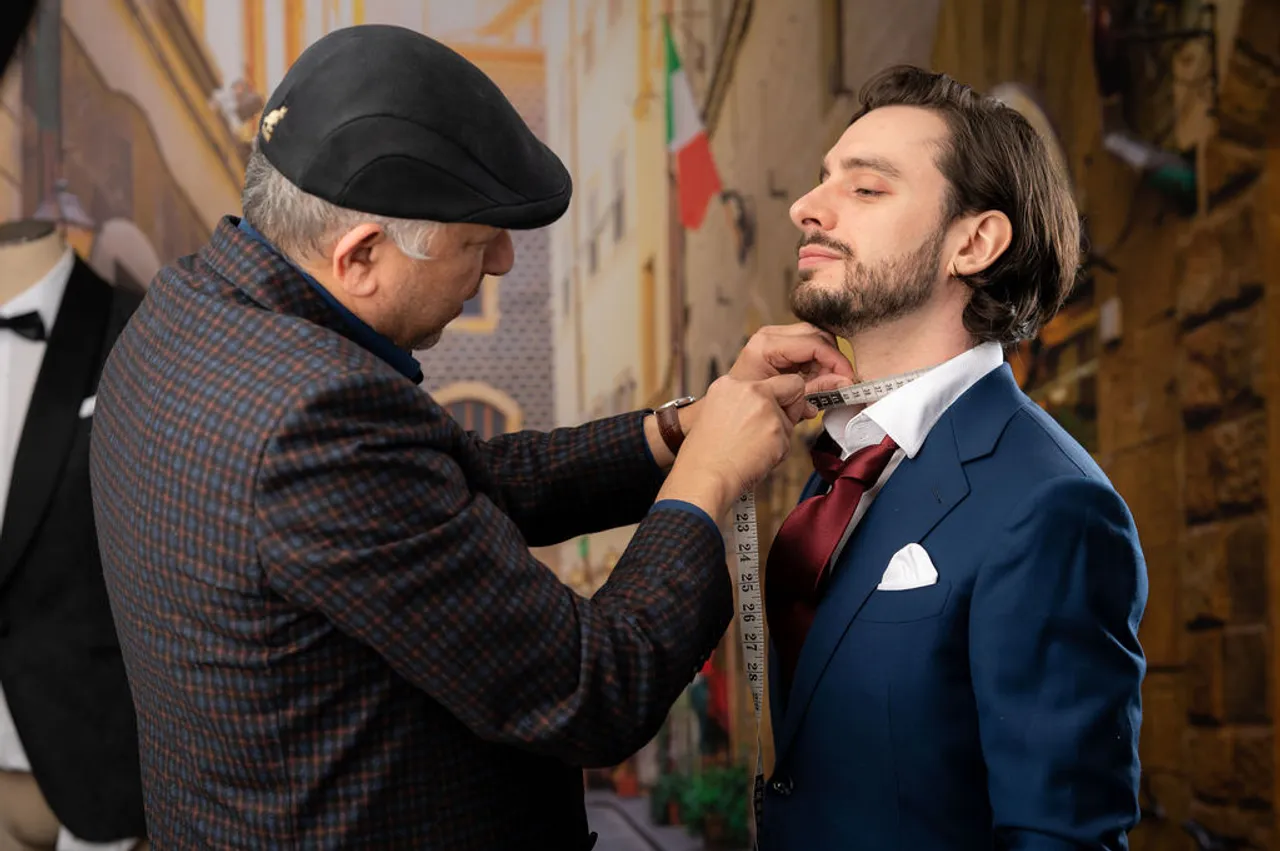
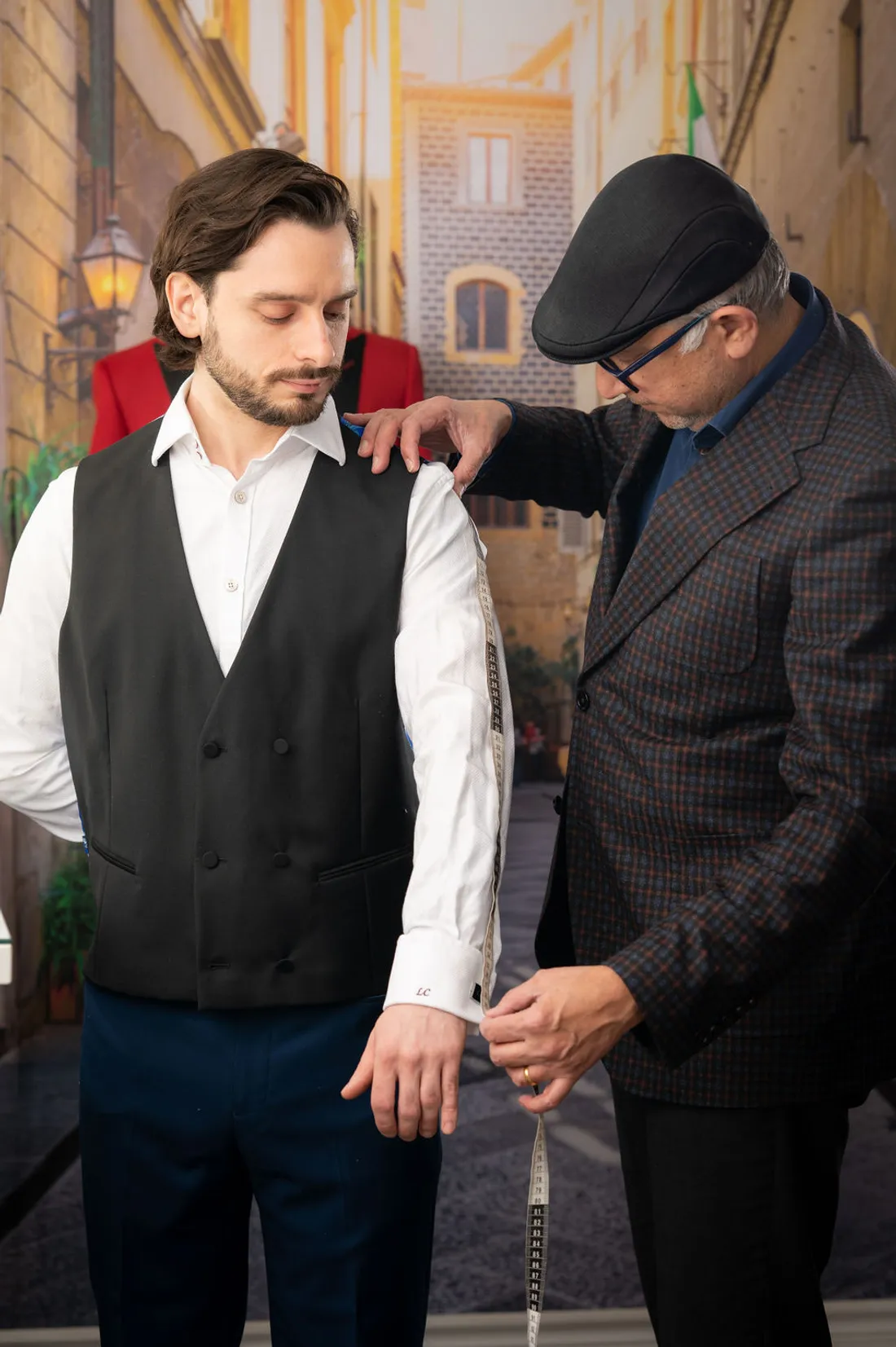
However formal the garment, the hour that decides it looks the same: a tape, a pencil, and a long conversation about how you actually stand.
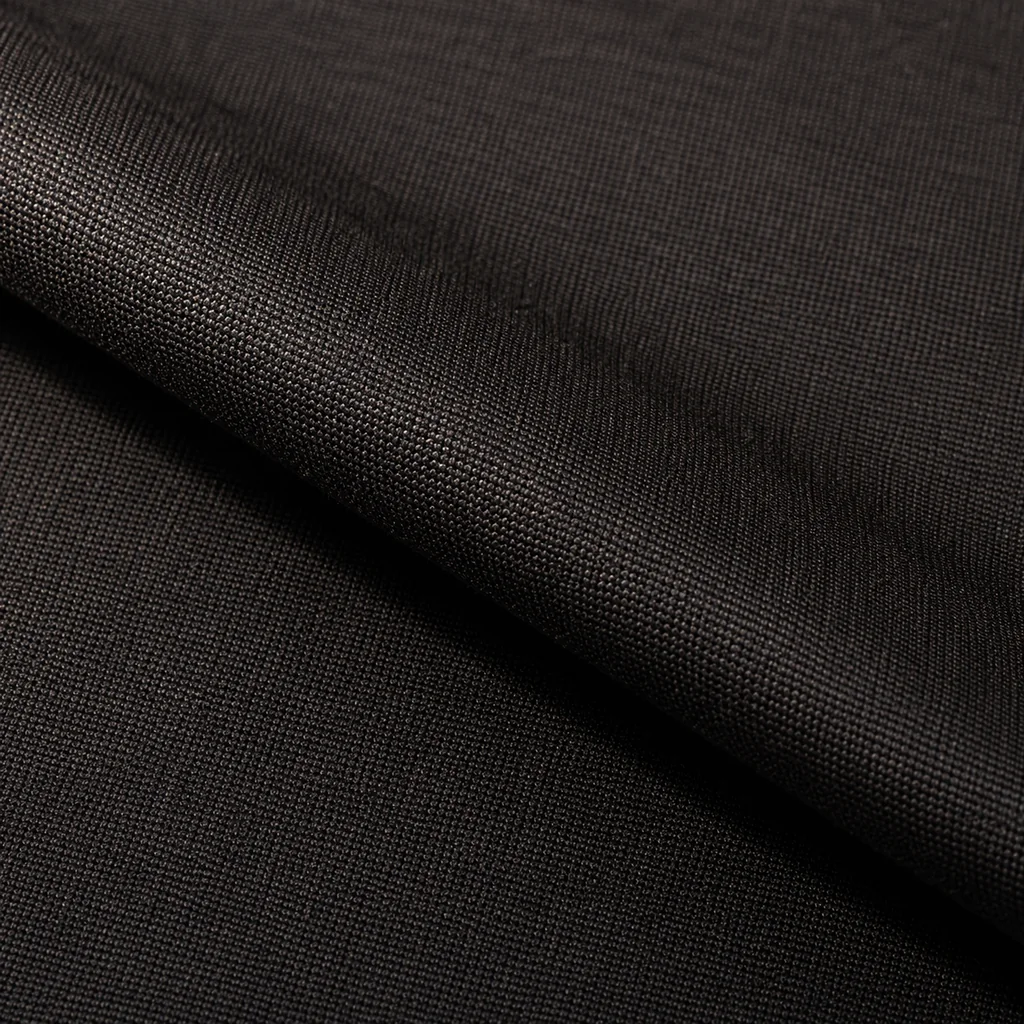
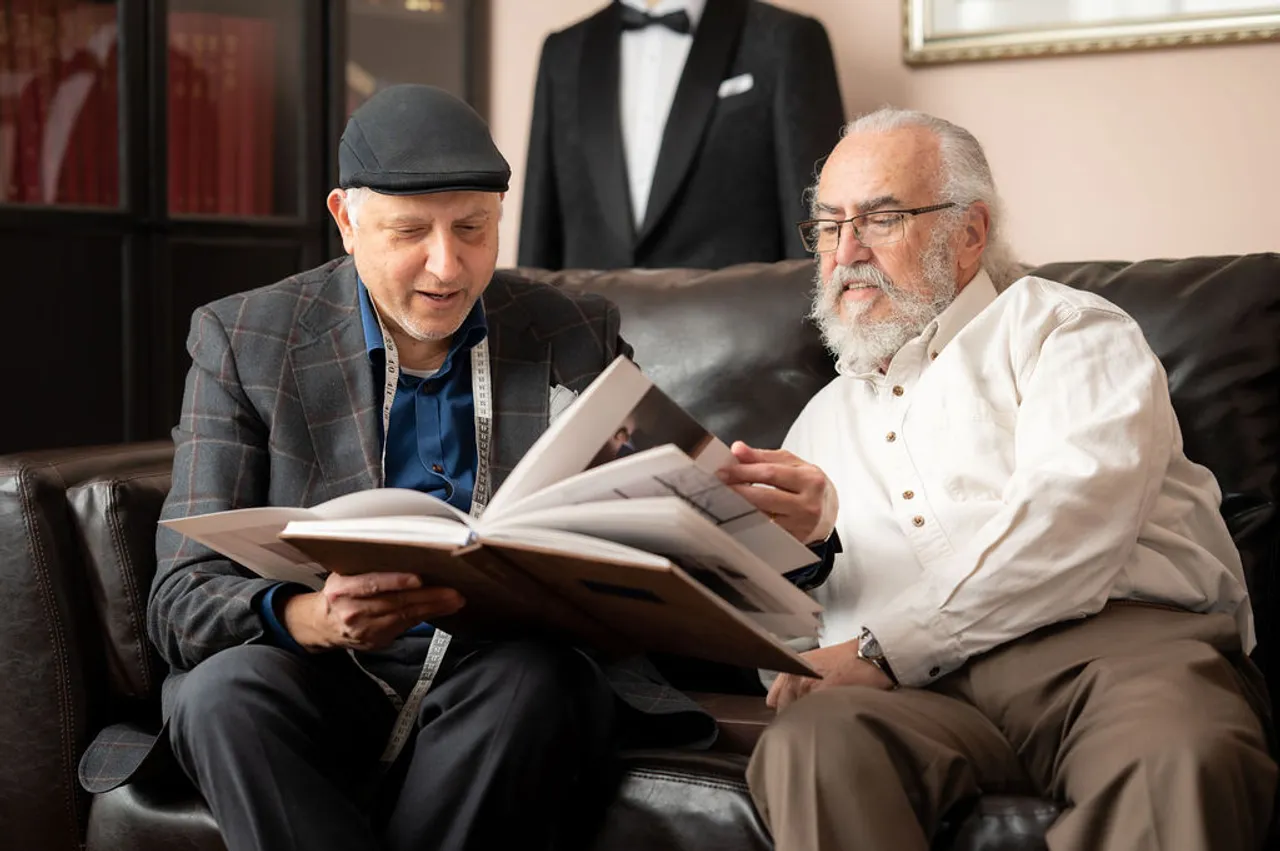
Satin or fine wool, full-length, single-breasted closure with double-row stitching. Cut to drape from the shoulders without strain, with allowance for the gartel and tzitzis.
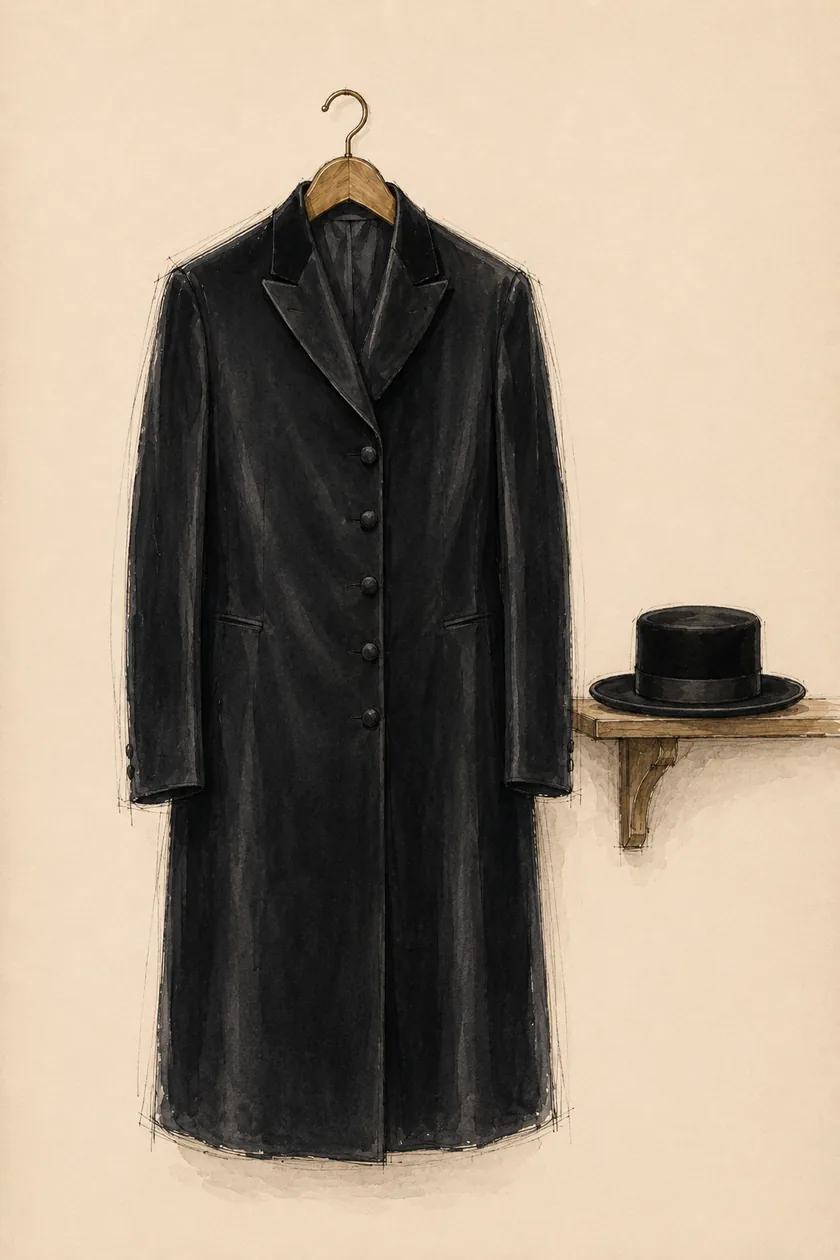
Wool worsted, lapel cut, buttonholes made to take years of doing up. Worn daily by some, kept for Shabbos by others. Cut roomy in the chest and shoulders, narrow at the cuff.
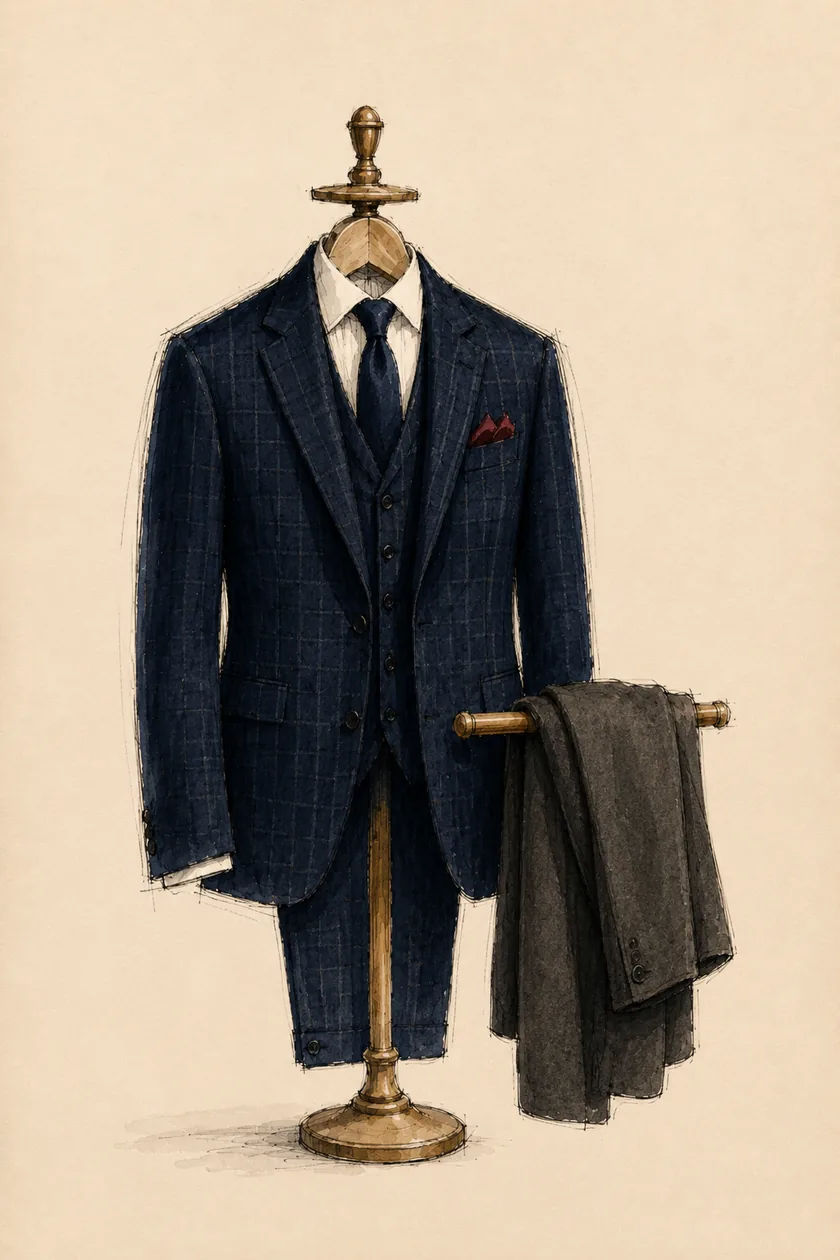
The classic three-piece in black or midnight navy, single-breasted, peak or notch lapel. Cut with the room to bend, to stand, and to sit through a long davening.
White linen or cotton, simple closure ties, modest belt. Cut to last decades: for the Yamim Noraim, the Seder table, and the chuppah.
The first suit of a boy's life. Cut with growing room in the trouser and sleeve, ready to be let out for the next two years. A small ceremony of its own.
A chosson's wedding wardrobe: the Shabbos kallah suit, the chuppah kittel, the bekishe for sheva brachos. Drawn together, finished in time, fitted in the days before the wedding.
Kittels for the Yamim Noraim are best ordered by the end of Elul. The bench time is three to four weeks, so order before the chag, not during it.
A suit or a seder-night kittel takes three to four weeks, so order well before Pesach. Over chol hamoed the studio opens by appointment only.
Begin six to eight weeks before, so he has not outgrown it by the day. Growing room in the sleeve and trouser, and the measurements kept for the next suit in two years.
Begin two to three months from the wedding. We coordinate with the kallah's gown, the kallah's father, and the mechutanim.
“Sam was an absolute pleasure to work with and very patient with all of my questions. He did two suits — for myself and for my son — and the result was fantastic. It was my son's first custom suit and he felt proud to wear it, like a real gentleman. Both of us have received endless compliments.
Adam Gilbert · ★ Google
“Sam made my husband's and three sons' suits really beautiful, with a quick turnaround. We are so happy and really recommend him.
Google reviewer · ★ Google
“I had my wedding and reception suits made by Sam, and also ordered a three-piece suit and shirts for my dad. The prices were reasonable — a pleasant surprise given the exceptional quality and flawless construction. After I lost some weight, he graciously resized everything for a perfect fit. If you want top-notch custom suits, Sam is your guy.
Google reviewer · ★ Google
Yes. Sam measures and fits bekishe, kapota and rekel personally at the Vaughan studio on the Thornhill line, made to your measurements, with proper allowance for the gartel and tzitzis, in satin or fine wool. Families come from across Thornhill, Vaughan, Bathurst and the wider GTA.
It depends on the fabric and the garment (a fine-wool kapota and a satin bekishe sit at different prices), so Sam gives you an honest quote at the consultation, with no showroom markup. The first conversation costs nothing.
Kittels for the Yamim Noraim should be ordered by the end of Elul; a chosson's wardrobe two to three months before the wedding; a bar mitzvah suit six to eight weeks out, so the boy has not outgrown it by the day. If a date is tight, call. Sam will tell you straight what's still possible.
Yes: the Shabbos and kallah suits, the chuppah kittel, and the bekishe for sheva brachos, drawn together, coordinated with the kallah's side and the mechutanim, and finished in the days before the wedding.
Yes. The bar mitzvah suit is cut with room to let out in the sleeve and trouser over the next two years, and the measurements are kept on file for the next suit.
Never. Fittings are by appointment, one family at a time, and are never held on Shabbos or Yom Tov. The studio is closed for both.
318 Charlton Avenue, Vaughan, on the Vaughan–Thornhill line: an easy drive from Bathurst & Clark, the Promenade and across the GTA. By appointment only.
The wardrobe is not bought at once. It is built in stages, and each stage has its own question.
Consultations are held in a private room, on your own schedule, and never on Shabbos or Yom Tov. Sam (or a member of the family) will sit with you for the conversation.