Shabbos & Yom Tov: building a traditional wardrobe
Updated July 2026 · Sam’s Menswear editorial team
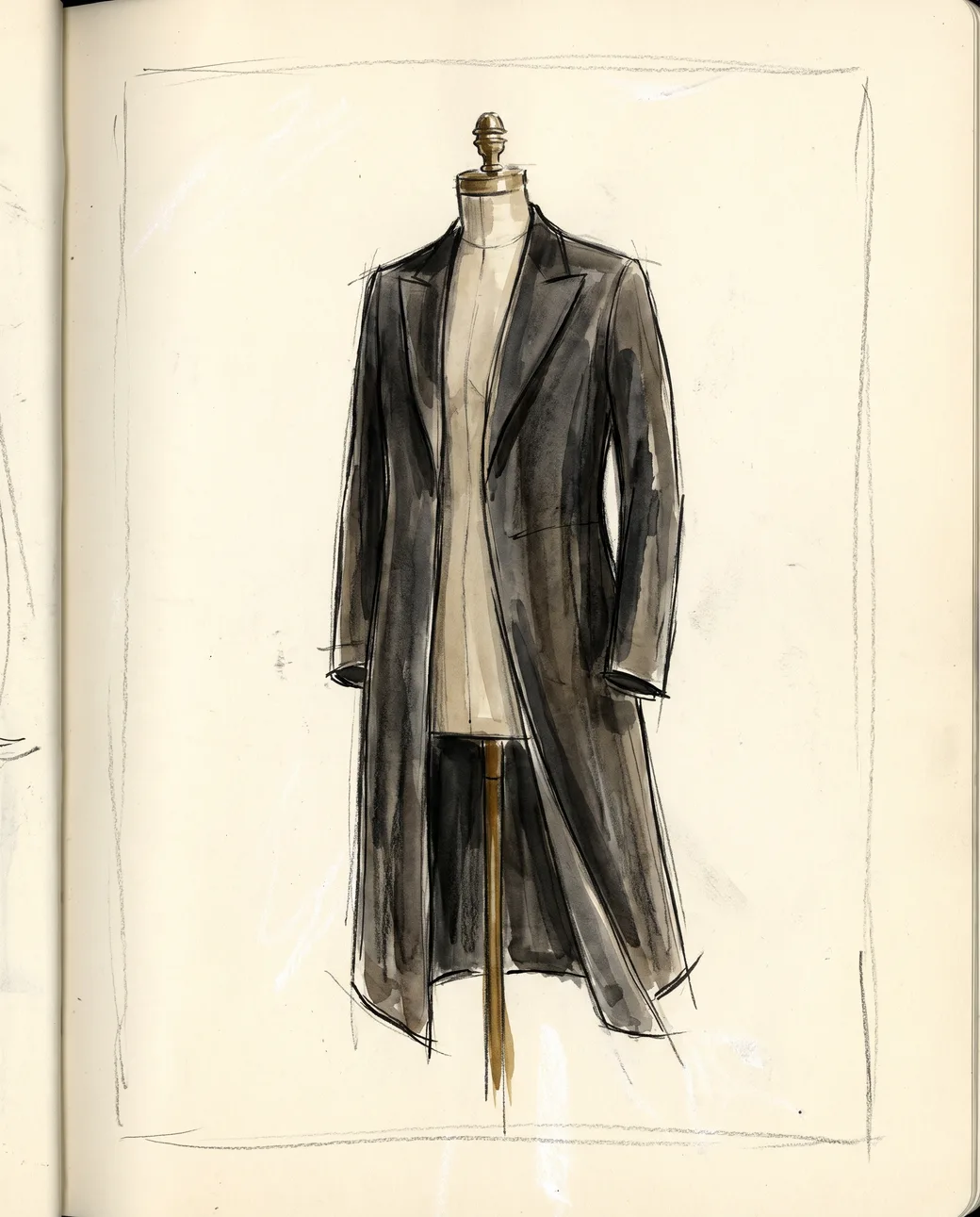
There’s no law that says a suit. But there is a long habit of dressing with dignity for Shabbos and Yom Tov, and for most men that lands on one thing: a fine dark suit that looks right in shul, at the table, and at a simcha. Get one made well, build a small rotation around it, and dress for the year the calendar actually gives you.
What should a Shabbos suit actually be?
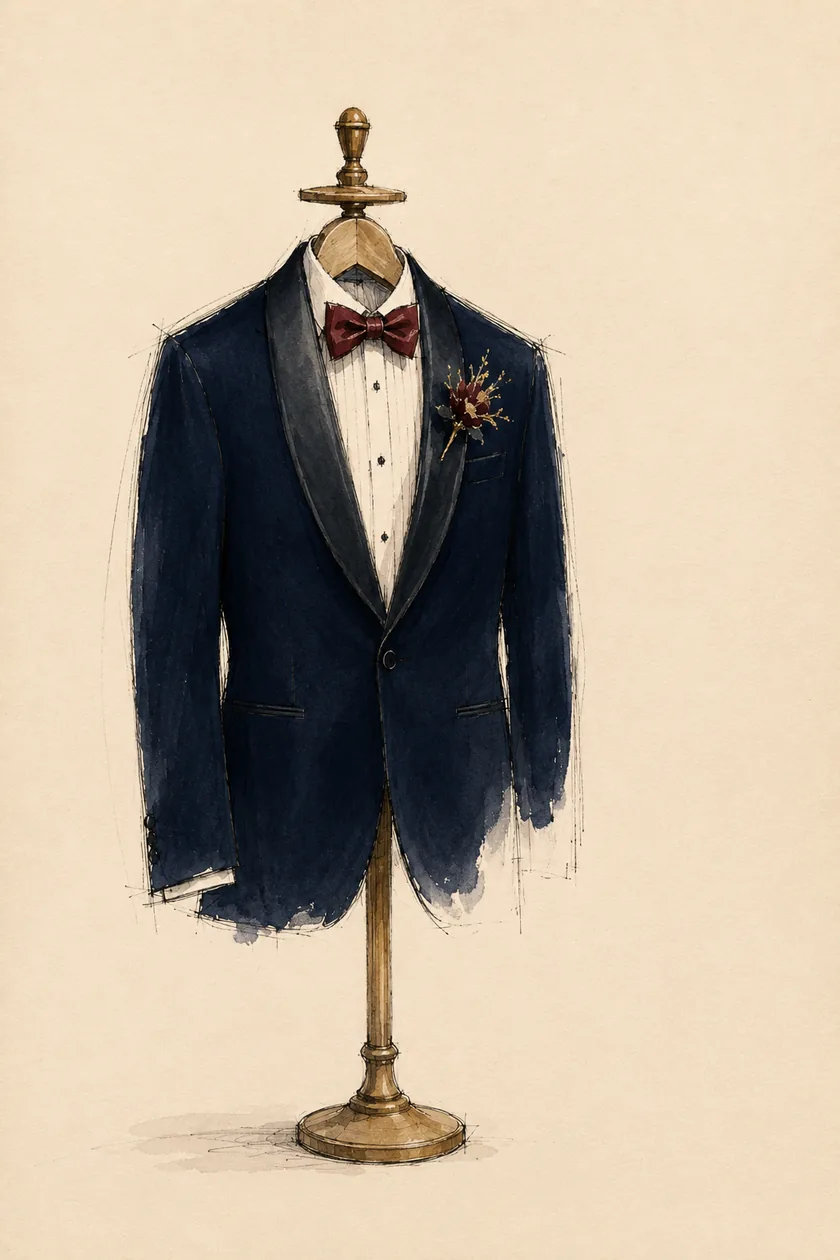
A well-cut dark suit, deep black or midnight navy, in a wool that holds a press through a long day and breathes in a warm shul. That’s the whole answer.
Dark clothing reads as kavod without a word, which is why it became the quiet standard for Shabbos and Yom Tov even though Jewish law only asks for clean, dignified clothing nicer than your weekday wear. No mitzvah requires black, a hat, or a particular cut. What matters is that it fits you and holds its line from the first brocha to havdalah.
The difference between an adequate suit and an excellent one is entirely in the fit and the fabric. A jacket that sits clean on the shoulders and doesn’t gape at the collar does more for how you carry yourself than any label. How a suit should fit →
Black or navy: which is the right dark suit?
Both are correct. Black reads most formal and is the community default; a midnight navy is a touch softer and works harder across weekday and simcha too.
If you’re buying one suit to do everything, most men are best served by a deep, near-black navy. It covers shul, a chasunah, and a business meeting without looking out of place at any of them. If you already have a navy for work, make the Shabbos suit a true black. The point isn’t the shade; it’s that you’re never reaching for something you have to apologize for.
How many suits do I actually need in the rotation?
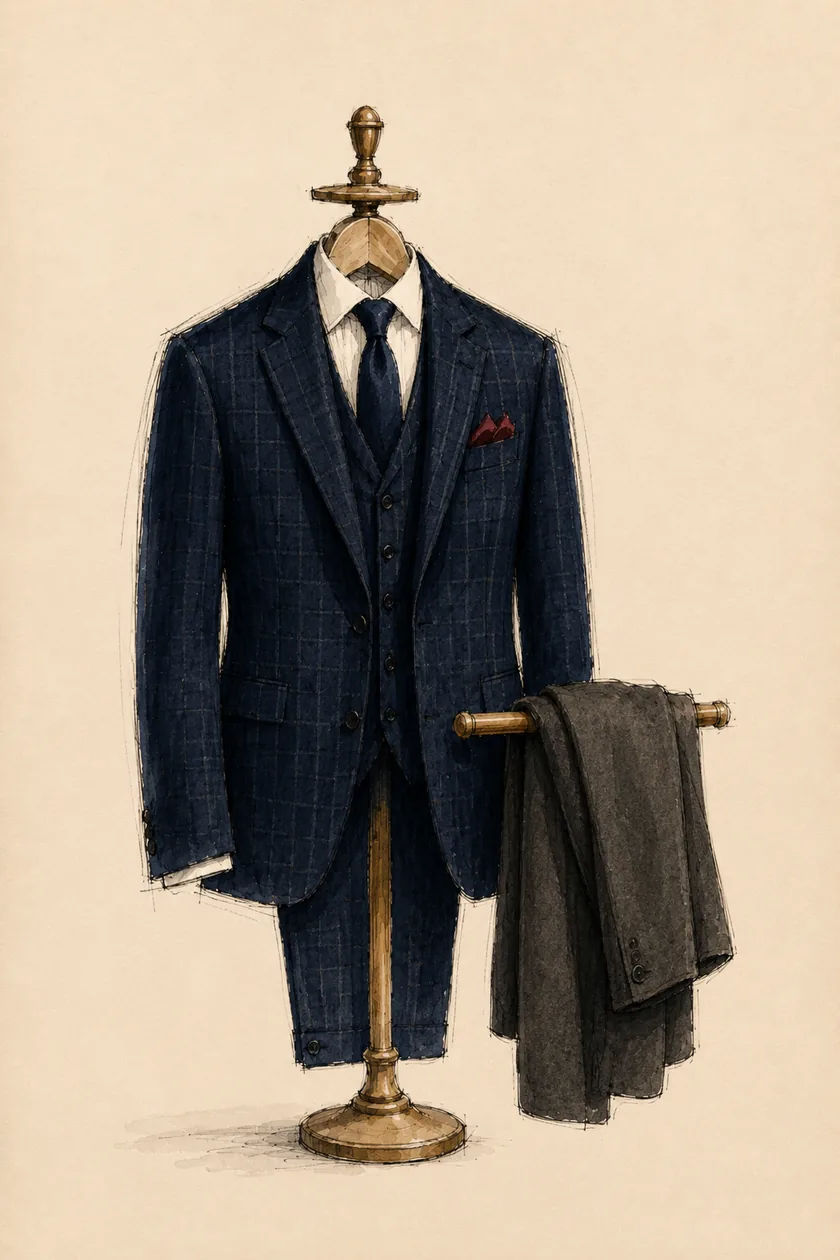
Two dark suits and you’re set: one resting while the other is worn, so neither gets exhausted. Three if your week is heavy with simchas.
A suit worn every single Shabbos and every simcha, with no rest between, breaks down fast. The wool never fully recovers its shape, the trouser seat goes shiny, the press falls out. A simple rotation fixes all of it:
- Two suits, alternated week to week. Each gets seven days to hang, breathe, and let the wool spring back.
- A third for heavy seasons (the fall Yamim Tovim and wedding season) so you’re never caught with both at the cleaner.
- Hang, don’t crush. A wide wooden hanger and a night’s air does more than dry cleaning, which you want to do sparingly.
Clothing worn this often earns its fabric. A quality wool looks as considered in year five as in month one. More on choosing your fabric →
How do I dress for the year’s calendar?
Think in seasons, not single days. The fall stacks Yom Tov on Yom Tov; spring brings Pesach and wedding season; summer means a lighter fabric so you’re not suffering in shul.
The 2026 fall is a good example of why rotation matters. Rosh Hashanah begins the evening of September 20, Yom Kippur follows, then Sukkot and Simchas Torah: weeks of back-to-back dressing where a single suit simply can’t keep up. That’s the stretch a two-or-three suit rotation is built for.
A practical way to think about the year:
- Fall Yamim Tovim. Your finest, best-rested suits. Yom Tov clothes are meant to be even a notch above Shabbos.
- Winter. A heavier wool earns its keep in a cold walk to shul.
- Spring / Pesach and wedding season. A mid-weight suit that carries from seder to chuppah.
- Summer. A lighter, breathable fabric, often a high-twist wool, so a warm shul stays bearable. Browse the fabric library →
Is one suit really worth having made rather than bought off the rack?
Yes, because a Shabbos suit is worn more than almost anything you own, and fit is the whole game. Made to your measure, it moves with you and lasts years, not seasons.
Off the rack, you’re fitting yourself to the suit. Made to measure, the suit is cut to your shoulders, your posture, the way you actually stand. For a garment you’ll wear fifty-plus times a year, sitting through long davening, standing at a simcha, that difference is felt every single time. Design your suit →
What about the rest of the traditional wardrobe?
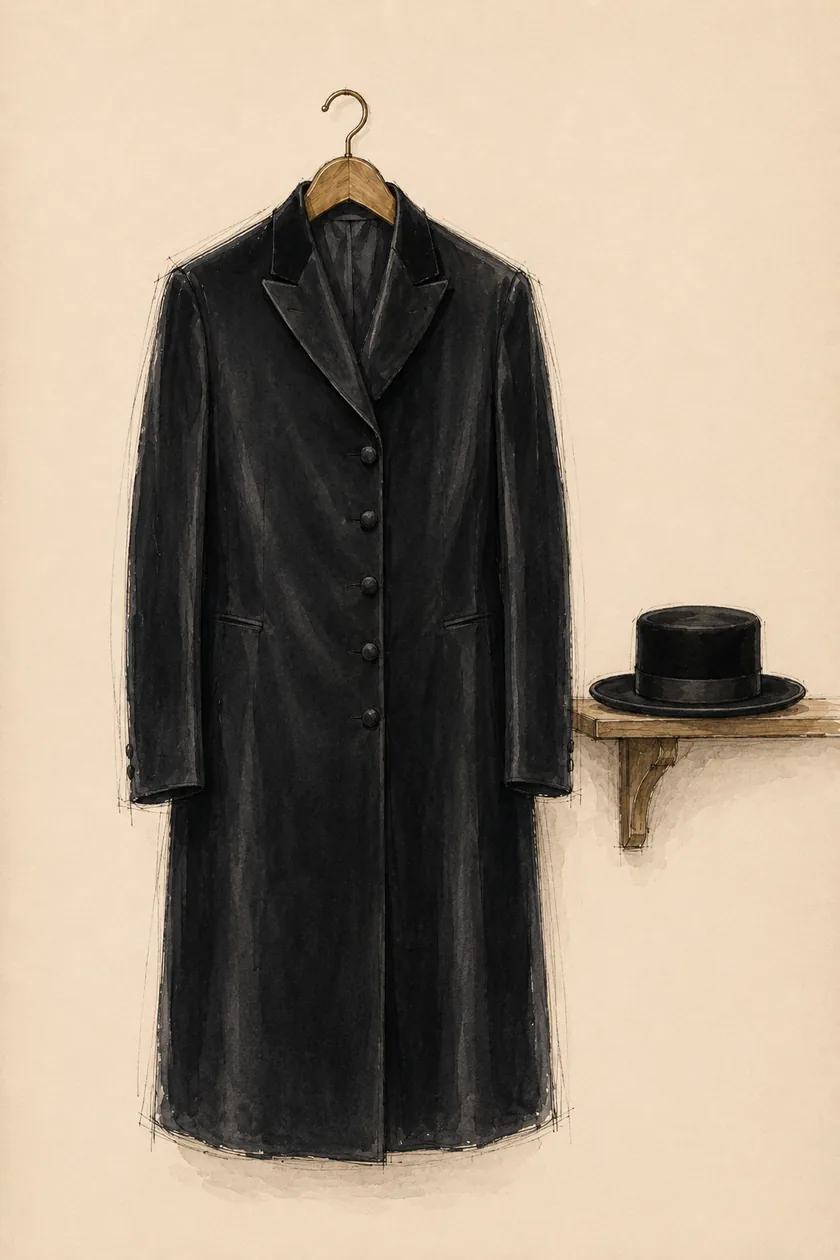
The dark suit is the backbone, but the bekishe, kapota and kittel follow their own logic of drape and length, cut to a different tradition, not a suit in different fabric.
Getting the proportion right on those takes someone who has made them before, and Sam has, for the Thornhill and Vaughan community for years. Whether it’s a fresh Shabbos suit or a garment specific to a yom tov or simcha, the work is the same: made to the person, made to last. The traditional wardrobe → · Traditional & Jewish menswear →
Where does the fitting happen?
Sam’s home studio sits on the Vaughan–Thornhill line, a short drive for most of the community. Fittings happen there, which is what keeps the fabric books, the shears and your pattern in one place. Which areas Sam serves →
Refreshing your Shabbos wardrobe before the Yamim Tovim, or building a rotation that lasts? Come in before the fall calendar fills up, and the suits will be hanging ready well ahead of Rosh Hashanah. Book an appointment.