Kapotas, Rekels & Bekishes, made for you
The garments that carry the most meaning deserve a tailor who understands what they are for, not just what they look like. Sam has cut the bekishe, the kapota and the kittel for the community for years.
★ 4.8 · 160 Google reviews · First appointment free & no-obligation
Where can I have a kapota or bekishe made near Thornhill?
At the studio on the Vaughan and Thornhill line, measured and fitted by Sam personally, with proper allowance for the gartel and tzitzis. Made bespoke to your community's custom, in satin or fine wool. Three to four weeks, so order before Yom Tov rather than during it. Never fitted on Shabbos.
Sam has dressed the Vaughan and Thornhill community for years: the fine dark Shabbos suit, the bekishe, the kapota and the kittel, cut to the tradition and to the man, and handled with the discretion these garments deserve. Made, never rented; correct, never flashy.
Fathers send their sons; families come back for the next simcha. Every piece is drawn, cut and fitted personally, in a quiet room, by appointment. The old way, for garments meant to last and to matter.
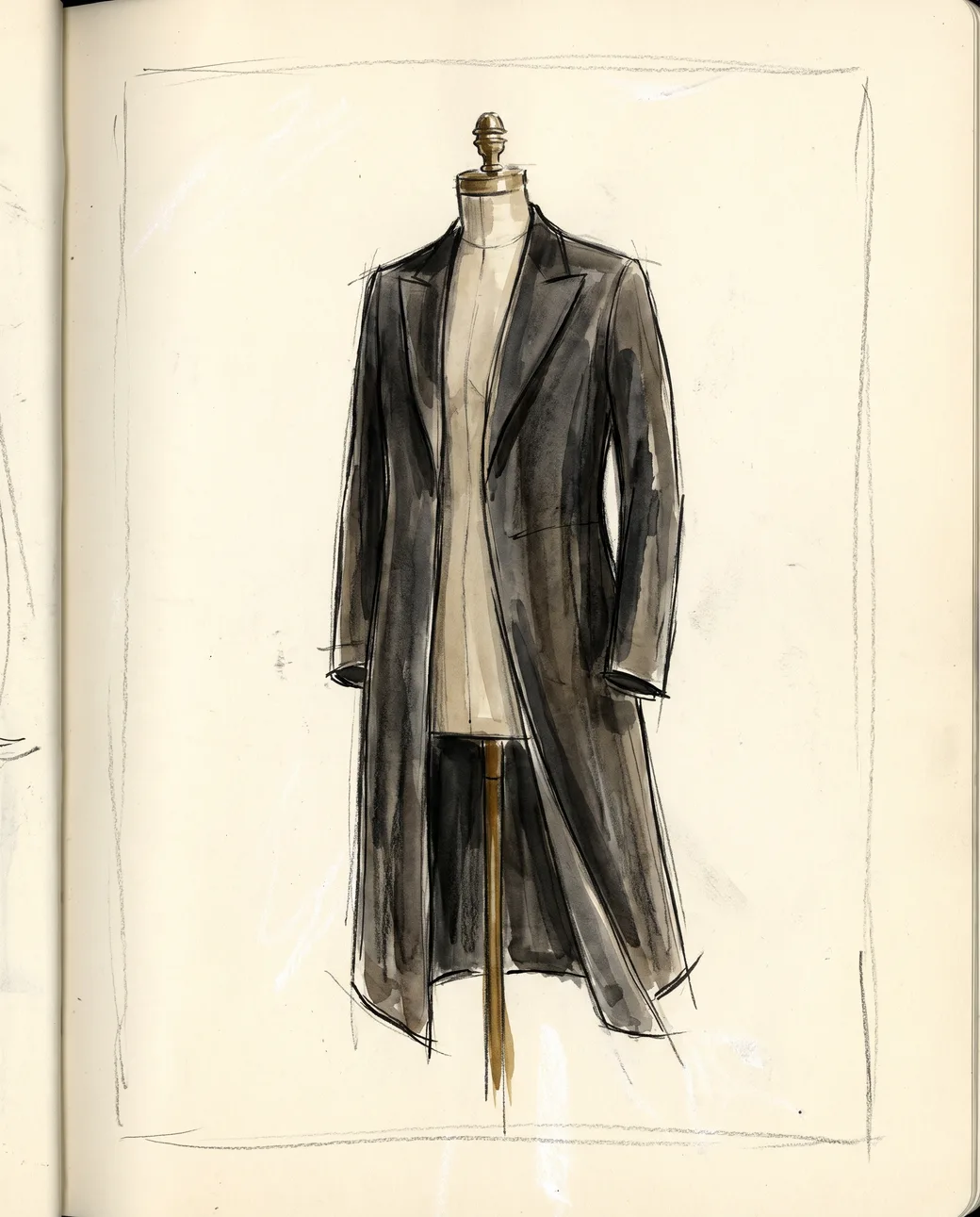
Your kapota, made to your specification.
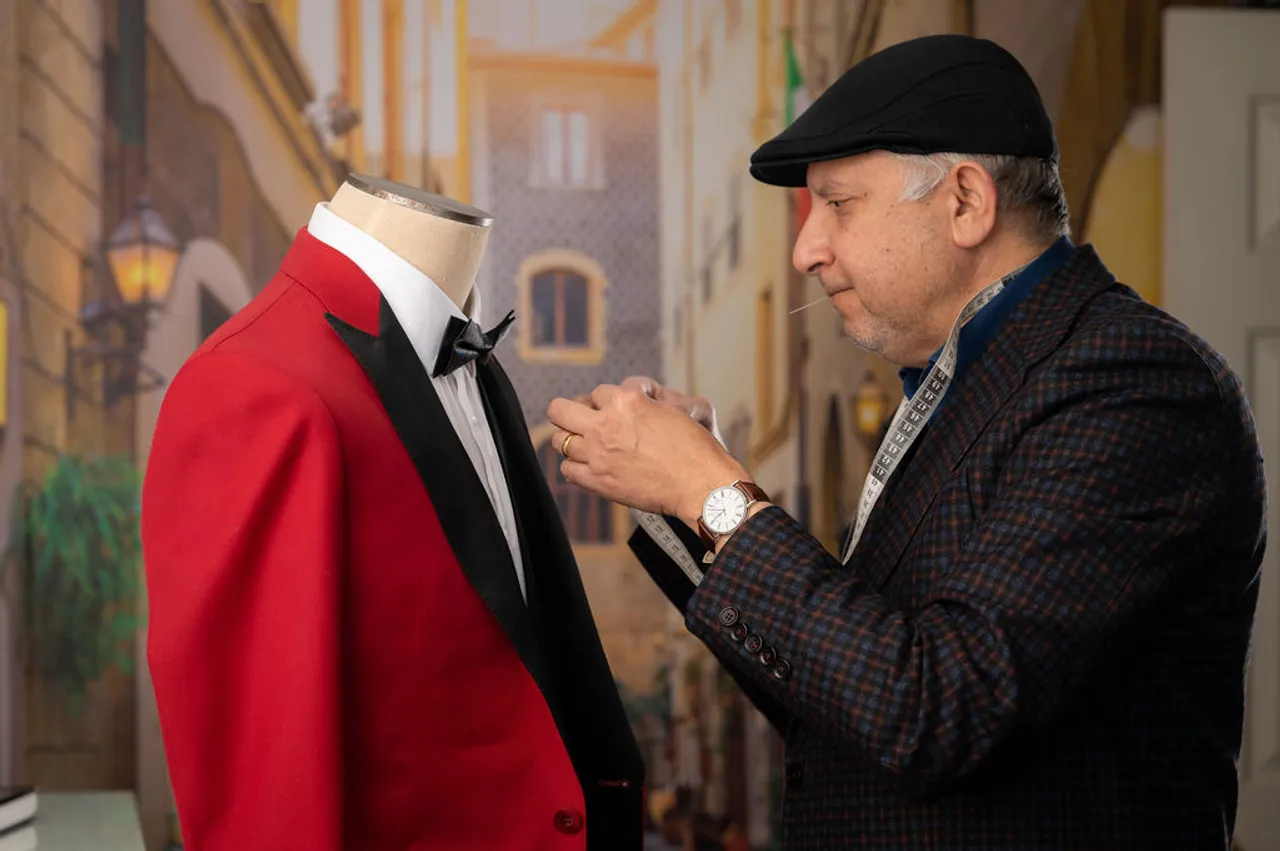
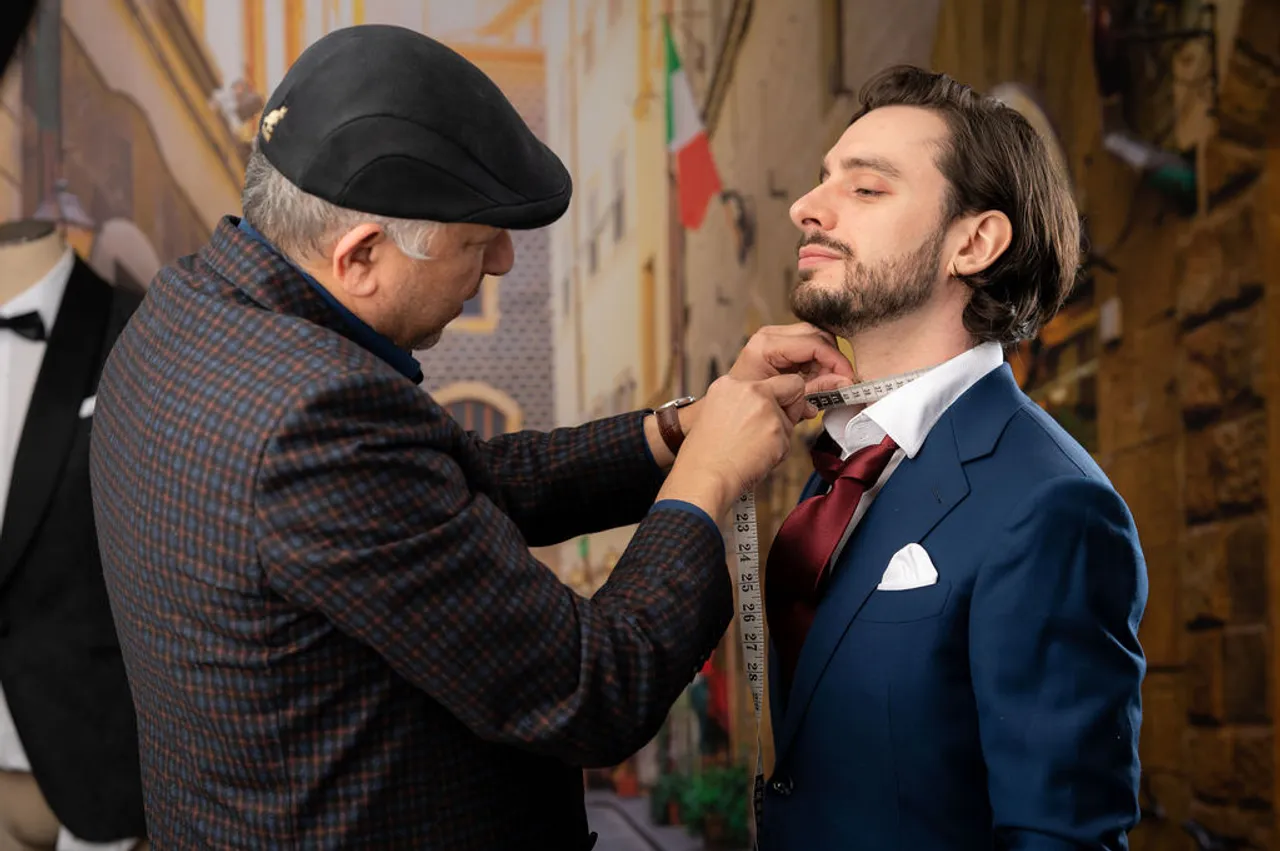

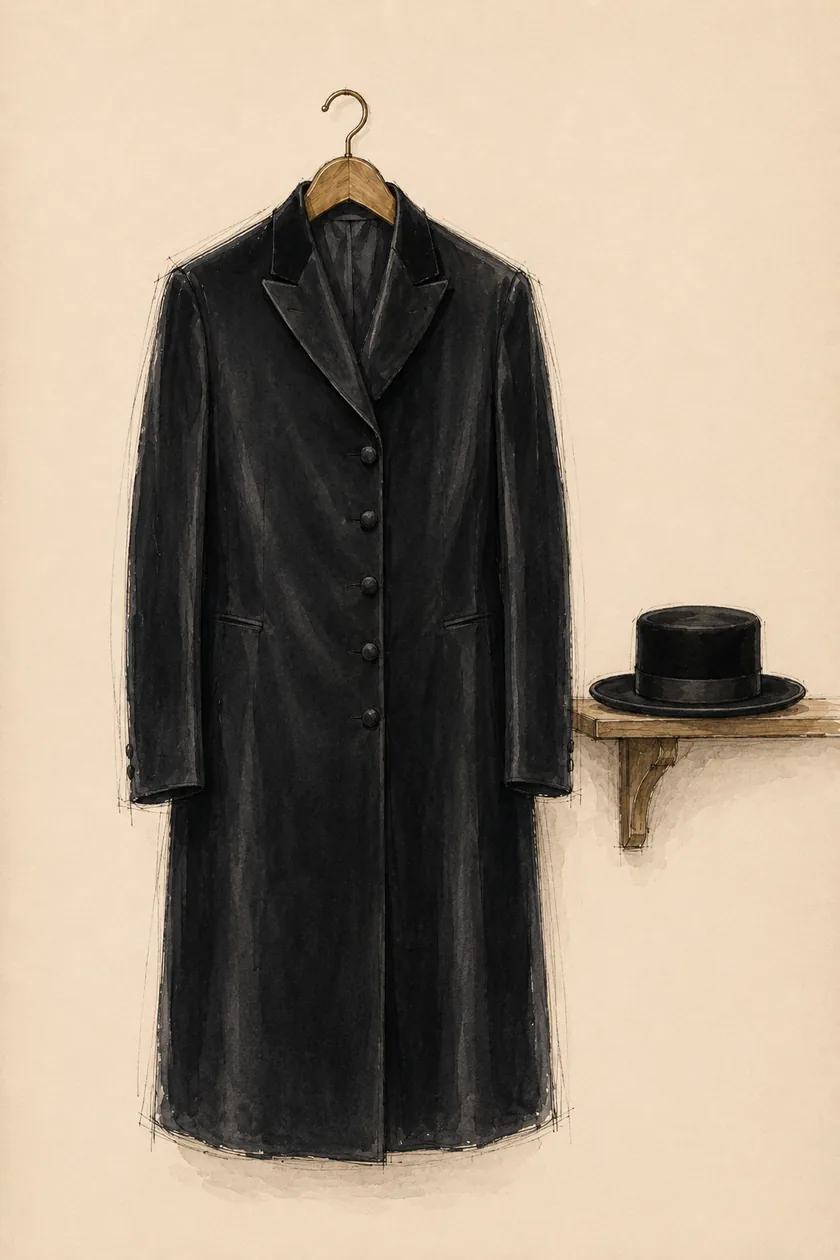
The kapota & bekishe
The frock coat for Shabbos and Yom Tov, cut to the correct length and line in a fine, deep-black fabric.
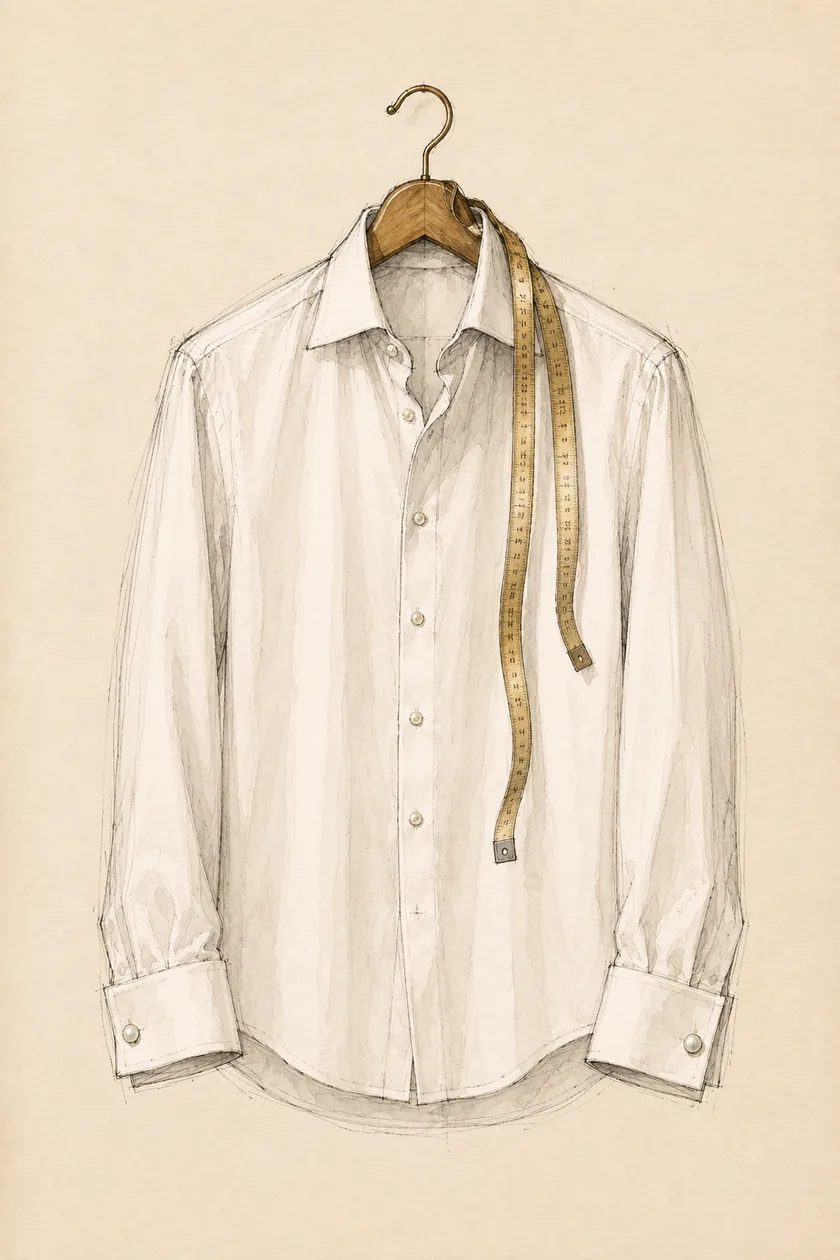
The kittel
The white garment for the Yamim Noraim, the Seder and the chuppah, made simply and correctly.
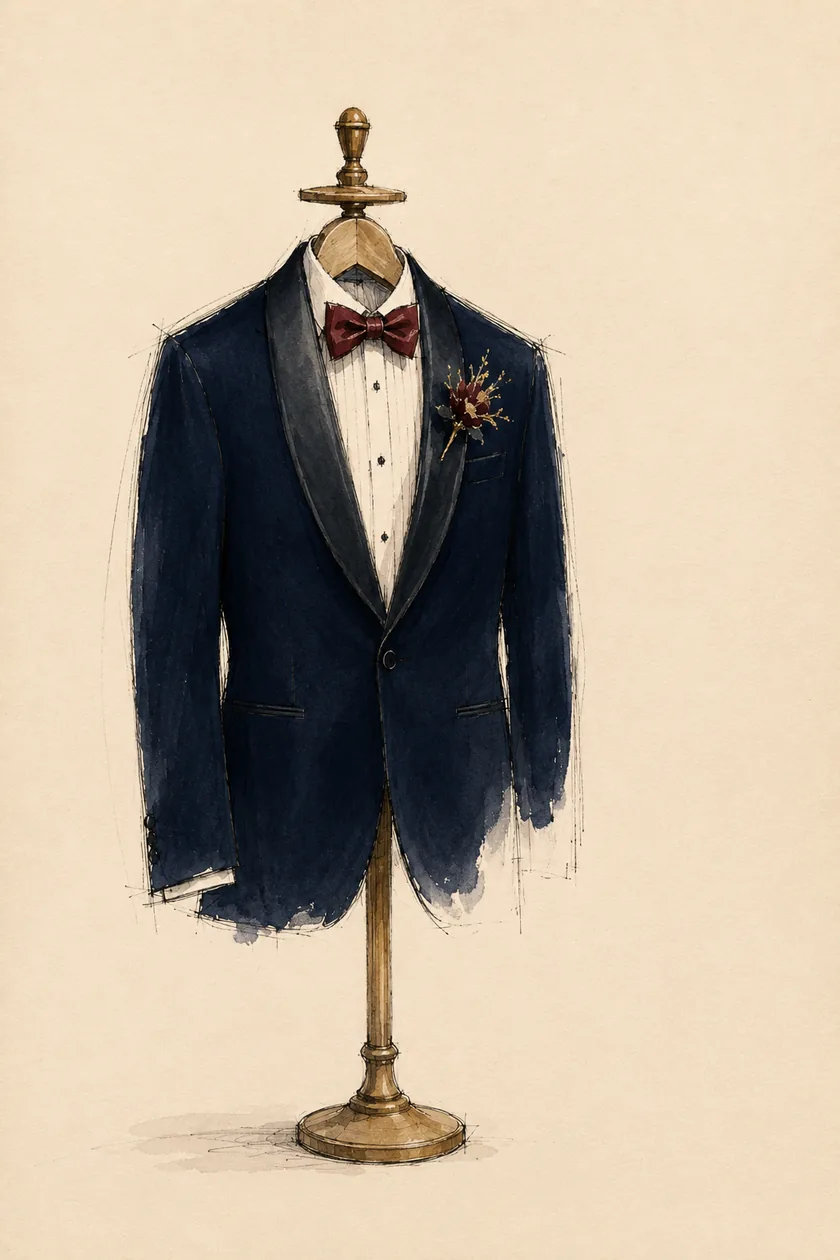
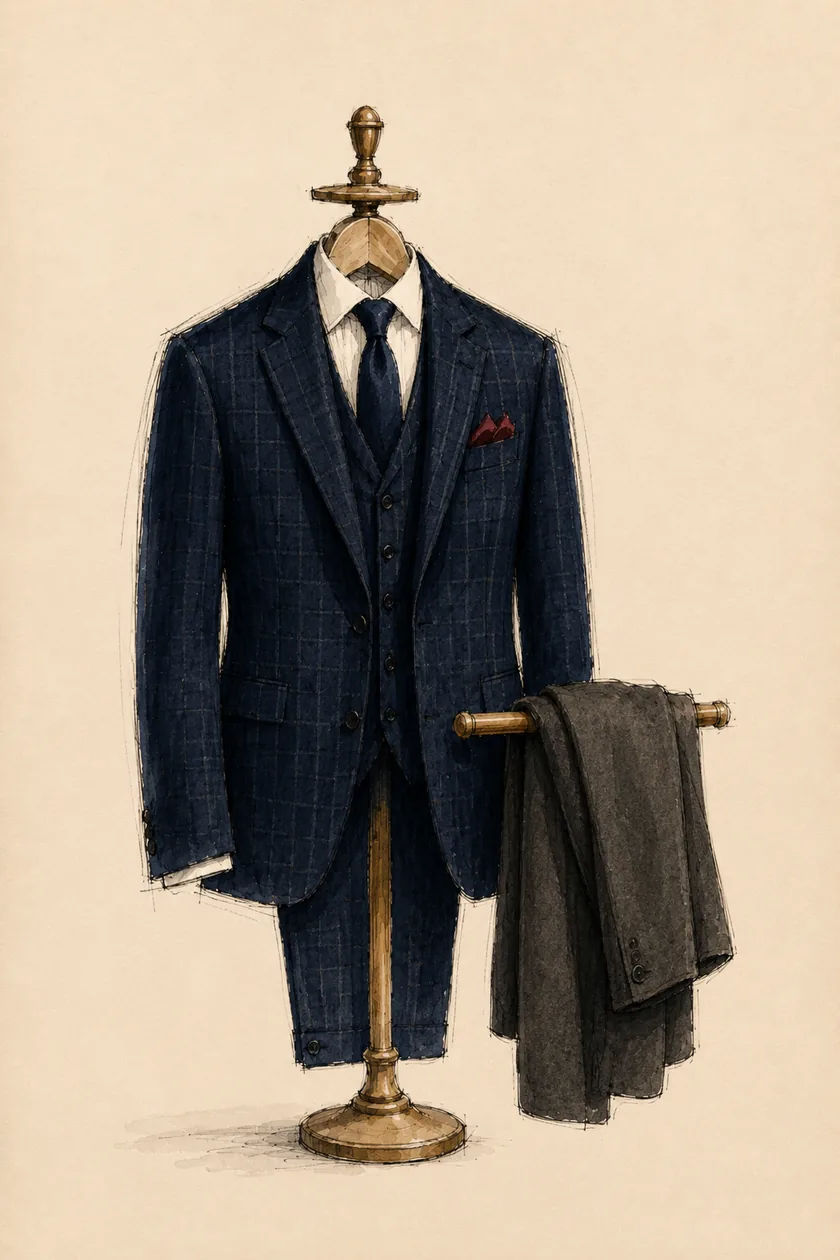
The fine dark Shabbos suit
A deep black or midnight suit that reads as kavod in shul and at the table.
Bar-mitzvah & chosson
The boy dressed for his aliyah, the chosson for the chuppah, measured with care and coordinated for the family.
Fine, deep-black and midnight wools chosen for drape and dignity: the fabrics these garments have always called for, with the price settled before the work begins. Explore the fabric library →
No guessing at the price of your kapota.
- To make Three to four weeks. Order before Yom Tov, not during it.
- Payment Half when the fabric is chosen, half on delivery.
- Alterations Part of the price, not a line item at the end.
- Reorders Your measurements are kept, so the next one is a phone call.
You get one firm price before anything is cut, and the first consultation costs nothing.
More on kapotas & rekels
The questions people ask at the bench before they ever pick a cloth, answered properly. Ten minutes here and the first visit goes further.
Guide Building a Shabbos wardrobe Read the guide The service Traditional Jewish Menswear in Vaughan & Thornhill See traditional menswear 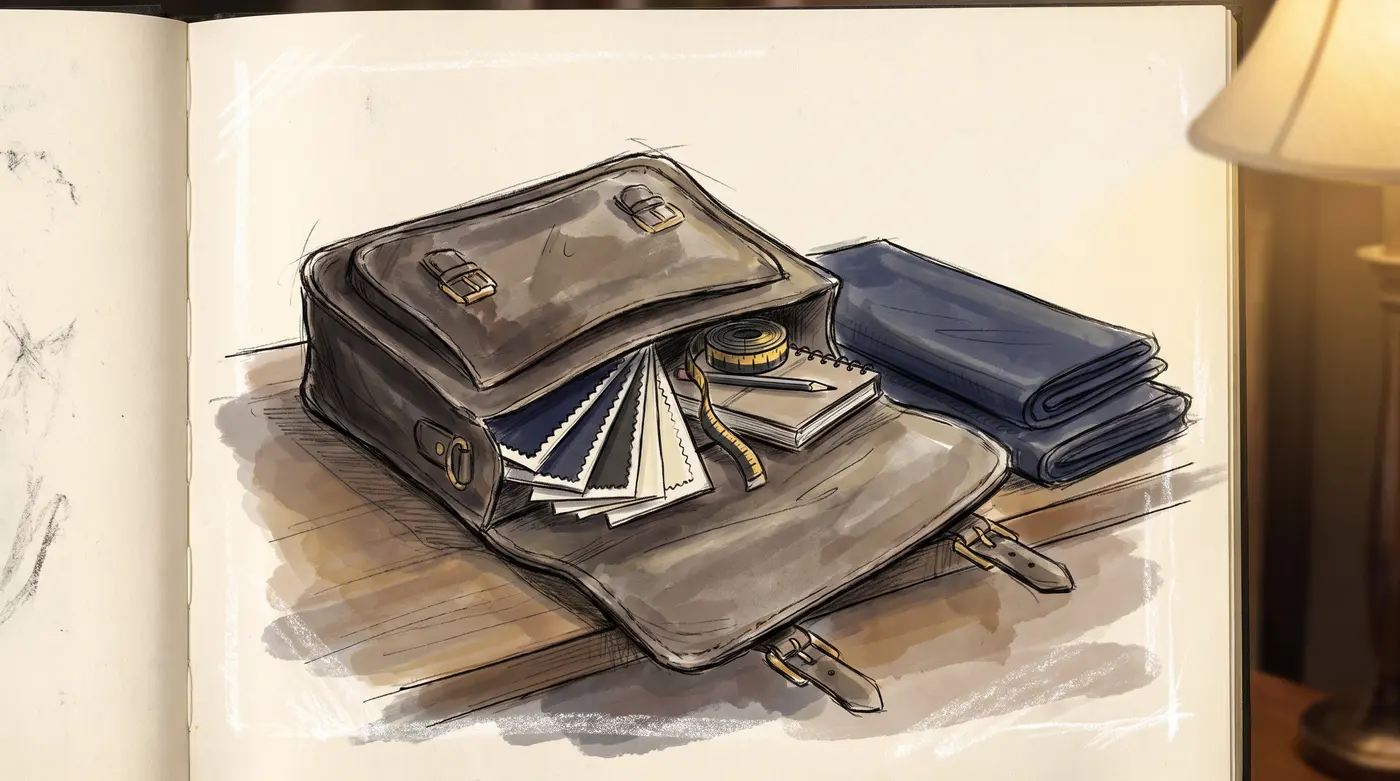 From Thornhill Custom Suits & Jewish Menswear in Thornhill How it works from Thornhill
 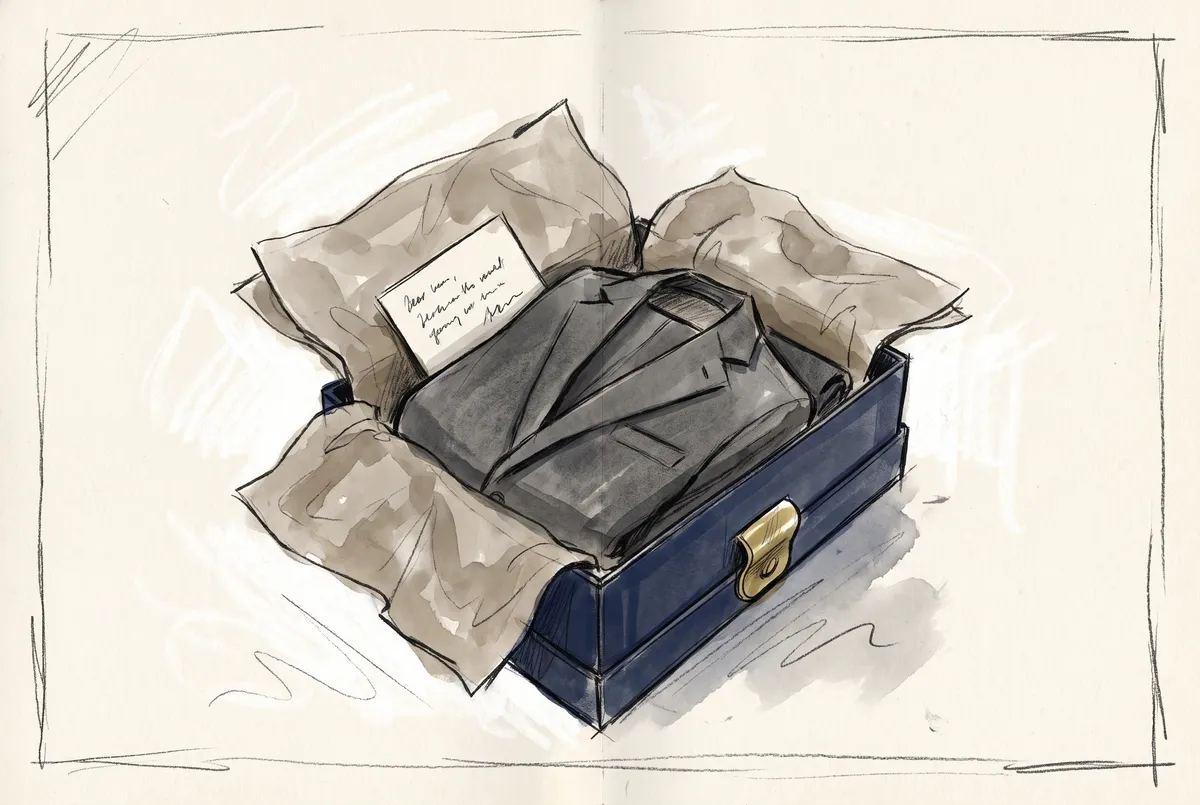 From the almanac Quiet Triumphs Composite tales from the bench, not case files. Read the tales
 What people actually said.
“Sam made my husband's and three sons' suits really beautiful, with a quick turnaround. We are so happy and really recommend him.
Google reviewer · ★ Google
“Sam was an absolute pleasure to work with and very patient with all of my questions. He did two suits — for myself and for my son — and the result was fantastic. It was my son's first custom suit and he felt proud to wear it, like a real gentleman. Both of us have received endless compliments.
Adam Gilbert · ★ Google
“Sam is an amazing tailor and helped me pick out a wicked suit. He's very friendly and will help you step by step.
Alexander Ferrier · ★ Google
Good to know.
What is the difference between a bekishe, a kapota and a rekel?
A rekel is the long weekday jacket. A kapota is a coat cut to its own pattern with a waist seam, worn for Shabbos by many. A bekishe is the silk or satin Shabbos and simcha coat. Which is right follows your community's minhag, not a rule Sam would presume to set.
Satin or fine wool?
A bekishe is traditionally satin or silk; a kapota and a rekel are usually fine wool. Wool holds a press better through a warm shul and wears longer. Sam will show you both weights and say which will survive the way you actually wear it.
Do you allow for a gartel and tzitzis?
Yes, and it is one of the things most often got wrong. The garment is cut with proper allowance so nothing pulls or rides when the gartel is on, and so the tzitzis sit as they should.
When should I order before Yom Tov?
Three to four weeks is the bench time, so order well before rather than during. Kittels for the Yamim Noraim are best ordered by the end of Elul. If a date is tight, call, and you will be told straight what is still possible.
Can you copy a garment I already have?
Often the easiest route. Bring the bekishe or kapota you own and Sam will read the pattern off it, keep what your community expects, and correct the fit where it never sat right.
What about shatnez?
Garments go to a shatnez checker of Sam's choosing. If you would rather use your own checker, say so at the consultation and that is arranged instead.
Do you make the bekishe, kapota and kittel?
Yes: the bekishe, the kapota, the kittel, the fine dark Shabbos suit and simcha garments, all cut to the tradition and to you. I've dressed the Vaughan and Thornhill community for years and know what each garment is for.
Can you make a bar-mitzvah or chosson outfit?
Yes. The bar-mitzvah boy for his aliyah and the chosson for the chuppah, measured with care and coordinated with the fathers. Everything made to fit, never rented.
Is the fitting discreet?
Always. Everything is one-on-one and by appointment, behind a closed door, with the discretion the community expects, father to son.
Know the garment before you order it
The long garments, told apart properly: what each one is, when it is worn, and how it is cut.
- Glossary What is the difference between a kapota and a rekel? Weekday against Shabbos, and what actually changes in the cut and the fabric. 4 min read
- Garment detail What is a bekishe? The fabric, the shine, the cut, and how it differs from everything beside it on the rail. 4 min read
- Garment detail When is a kittel worn? Yom Kippur, the seder, under the chuppah, and what a well-made one is like. 4 min read
- Before the wedding What does a chosson wear? The full wardrobe for a chosson, and how far ahead each piece needs ordering. 4 min read
Have kapotas & traditional jewish menswear made for you.
The first appointment costs nothing, and it happens at the Vaughan studio: one client in the room, and the whole hour is yours.