The traditional wardrobe: bekishe, kapota and the well-made suit
Updated July 2026 · Sam’s Menswear editorial team
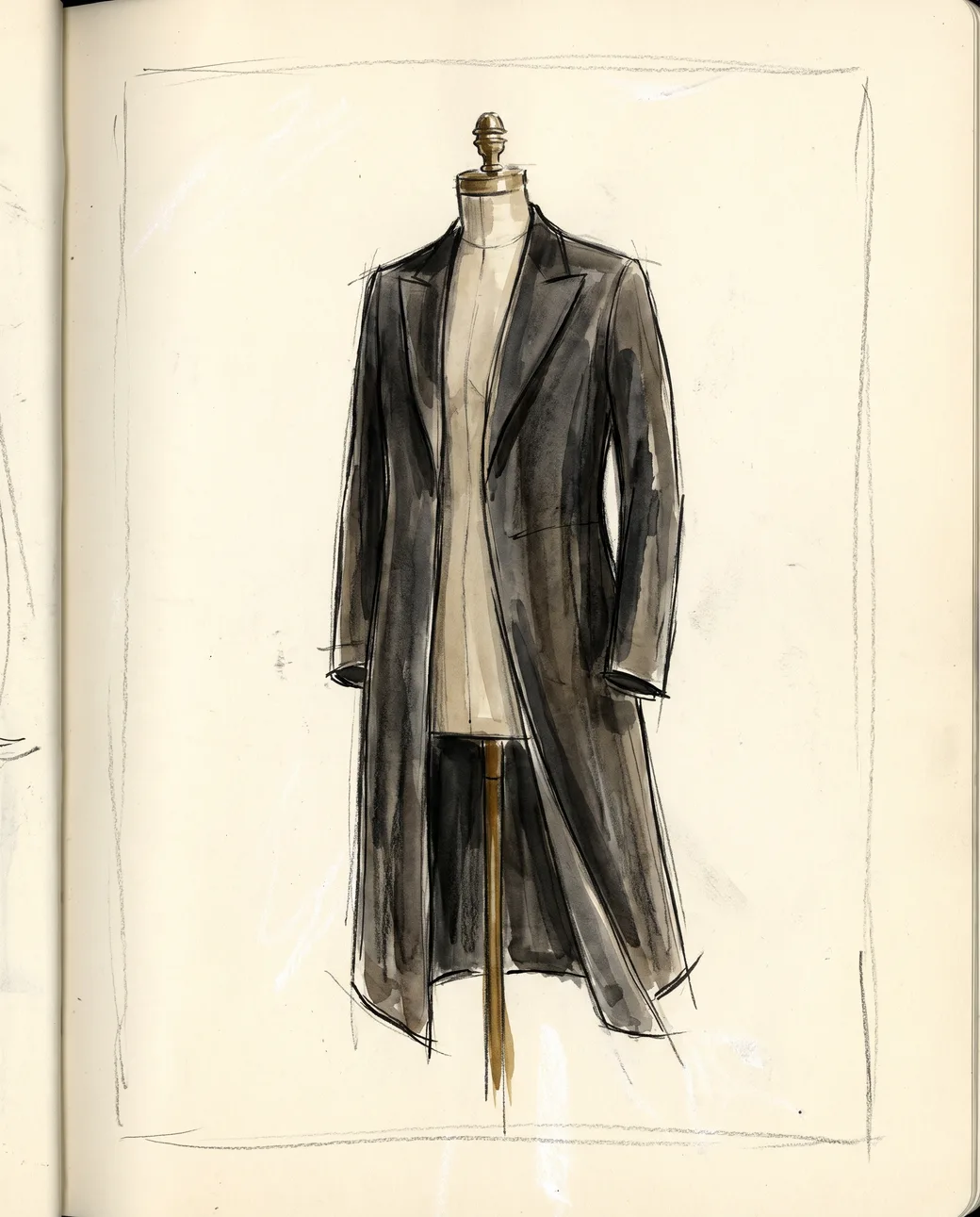
There’s a particular care that goes into dressing for a community where clothing carries meaning: for Shabbos, for a simcha, for the everyday dignity of dressing well. Sam has made these garments for the Thornhill and Vaughan community for years. Here’s what that work involves.
The fine dark suit
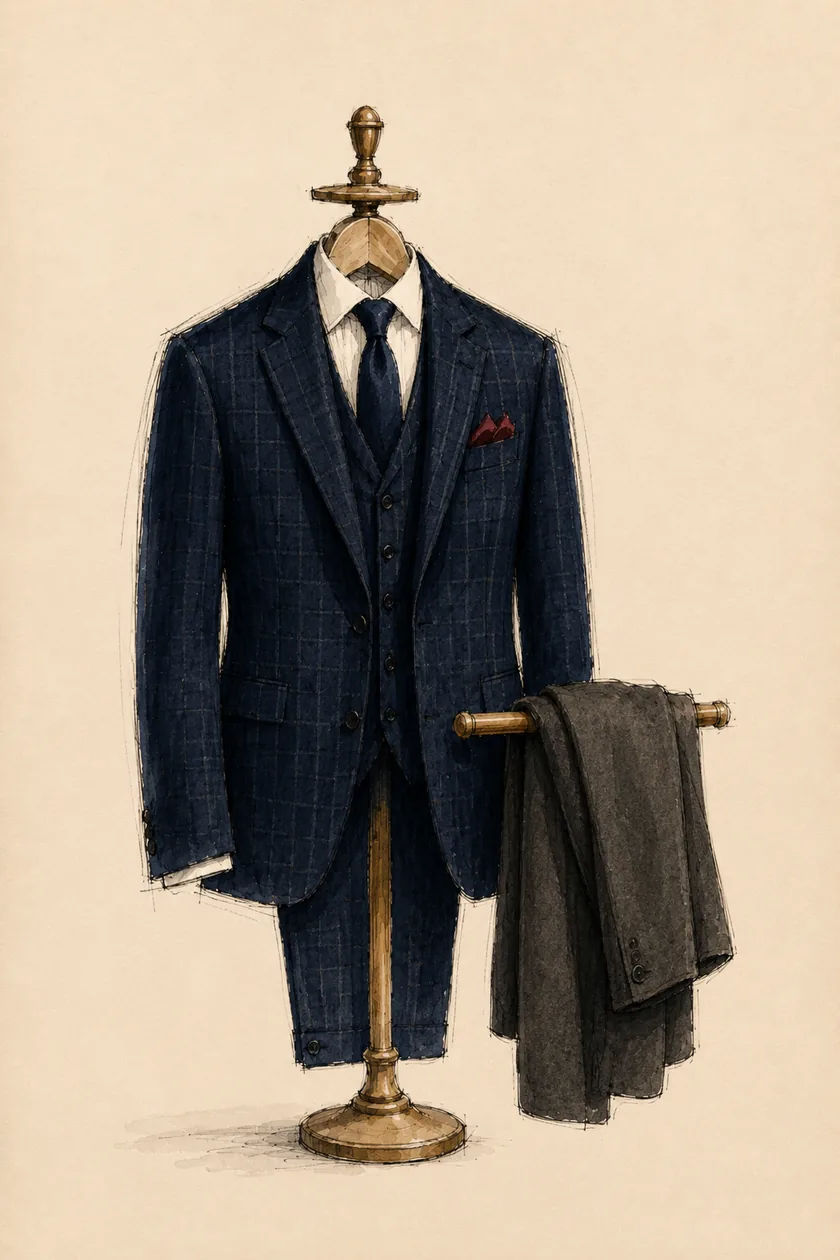
The backbone of the traditional wardrobe is a well-cut dark suit, deep black or midnight navy, that looks right in shul and at a simcha alike. The difference between adequate and excellent is entirely in the fit and the fabric: a suit that sits clean on the shoulders and holds its line reads as kavod, respect, without a word. How a suit should fit →
The bekishe and kapota
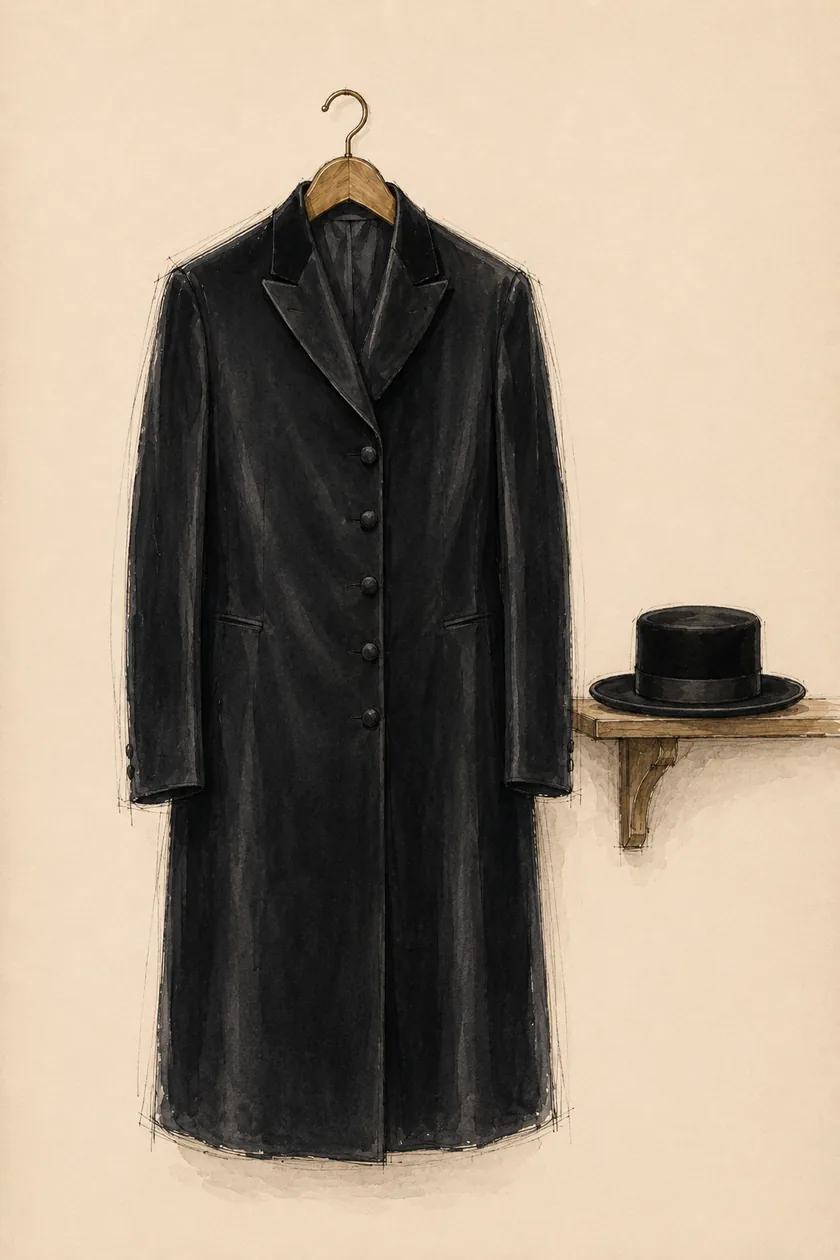
These garments have their own logic: the drape, the length, the way they’re meant to hang and move. They aren’t a standard suit with different fabric; they’re cut to a different tradition, and getting the proportion right takes someone who has made them before. Sam has.
The kittel and simcha garments
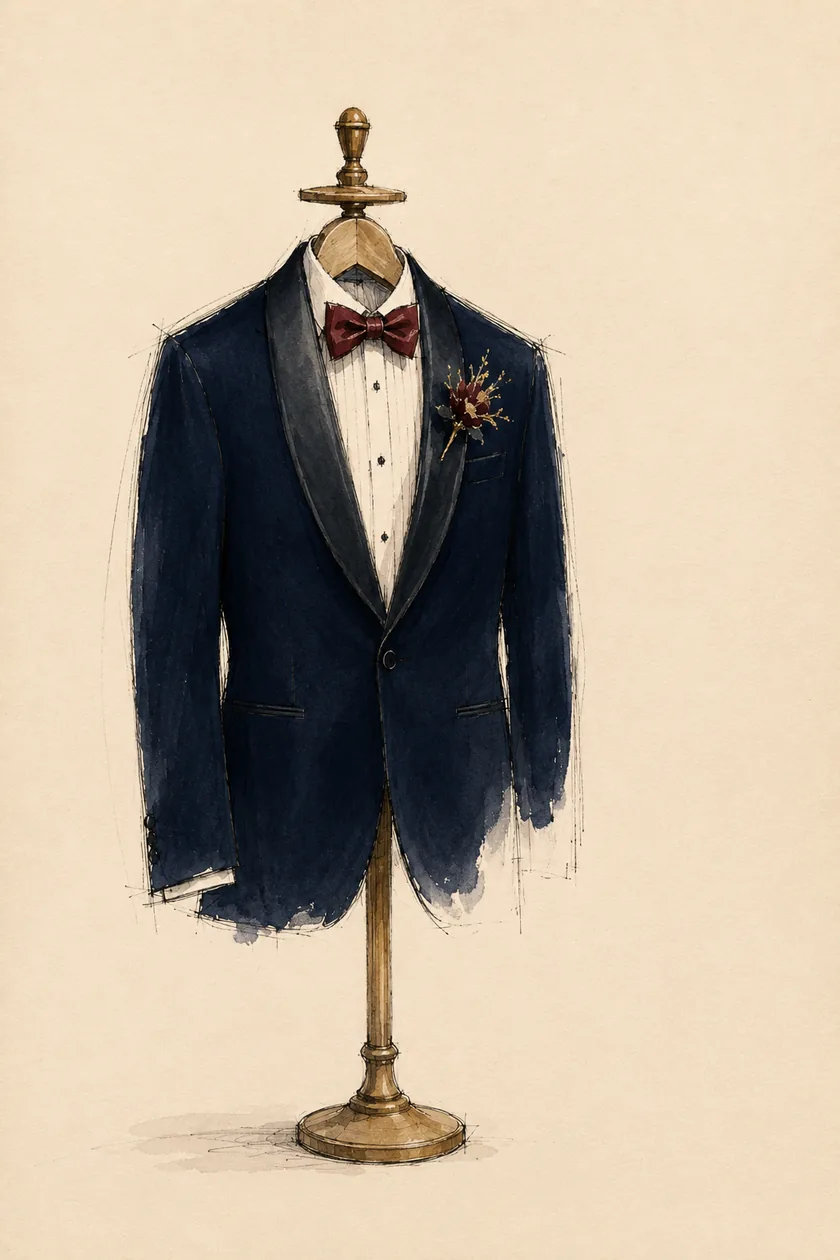
For the moments that call for something specific (a kittel, garments for a wedding or a yom tov) the work is the same: made to the person, made to last, made with the understanding of what the garment is for, not just what it looks like.
Choosing fabric for garments worn often
Clothing worn every Shabbos and every simcha earns its fabric. A quality wool holds a press through a long day, breathes in a warm shul, and looks as considered in year five as in month one. More on choosing fabric →
Fittings on your terms
For the community, Sam’s home studio on the Vaughan–Thornhill line is a short drive, and that is where the fitting happens. Which areas Sam serves →
Dressing for a simcha or refreshing your Shabbos wardrobe? Book an appointment.