Custom Overcoats & Winter Coats, made for a Toronto winter
For five months of the year the coat is the only thing anyone sees you in. Warm does not have to mean the same black parka as everyone else on the platform: Sam makes cashmere and wool overcoats, trench coats and pea coats, cut to you.
★ 4.8 · 160 Google reviews · First appointment free, at the studio, your office or your home
What coats does Sam make?
Tailored coats cut to go over a suit, in cashmere, camel hair and heavy wool: the Chesterfield, polo, covert, peacoat, trench coat, raincoat, topcoat and car coat, each measured to you at the Vaughan studio or at your office. A coat takes about five weeks, half paid at fabric and half on delivery, alterations included.
A store coat is cut for a man in a sweater; drop a suit jacket underneath and it pulls across the back and rides up at the collar. A made overcoat is drafted to sit over tailoring: clean through the shoulders, long enough to cover the jacket, warm without the bulk.
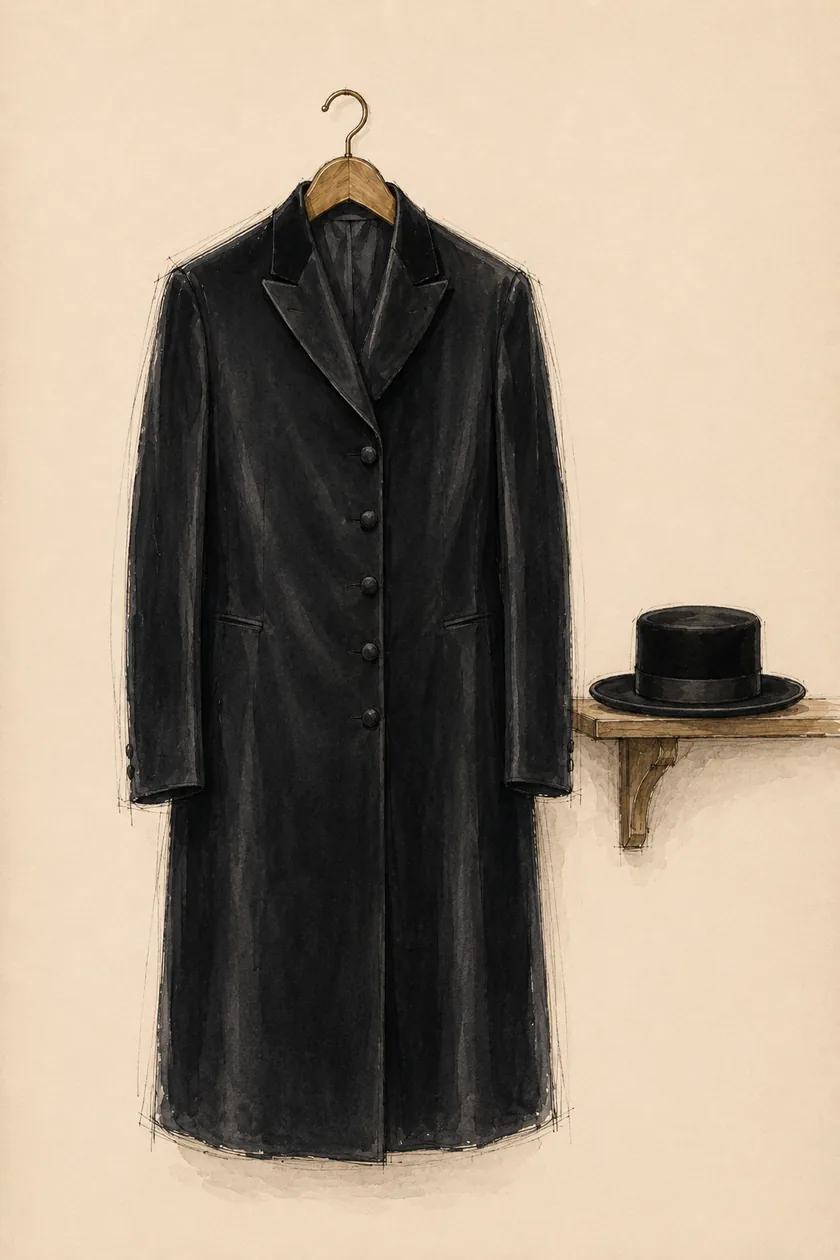
The Chesterfield with its velvet collar, the polo coat in camel, the covert coat in fawn twill, a navy peacoat, a trench coat or raincoat for the wet months, a topcoat for milder days, or a car coat for the everyday, in fabric heavy enough for a real Toronto winter.
For the finest of them there is cashmere, warm for its weight and with a drape no heavier wool quite matches. At Canada Goose, Sam's role was increasing the efficiency of fabrics: getting the most out of every length of cloth, which is the care a coat's worth of cashmere deserves.
The first appointment can be at your office, which suits a coat better than most garments: Sam measures you over the jacket you wear to work, the very layer the coat has to clear. The fitting on the finished coat is at the studio in Vaughan, or at your office too if you'd rather; either way, wear that jacket.
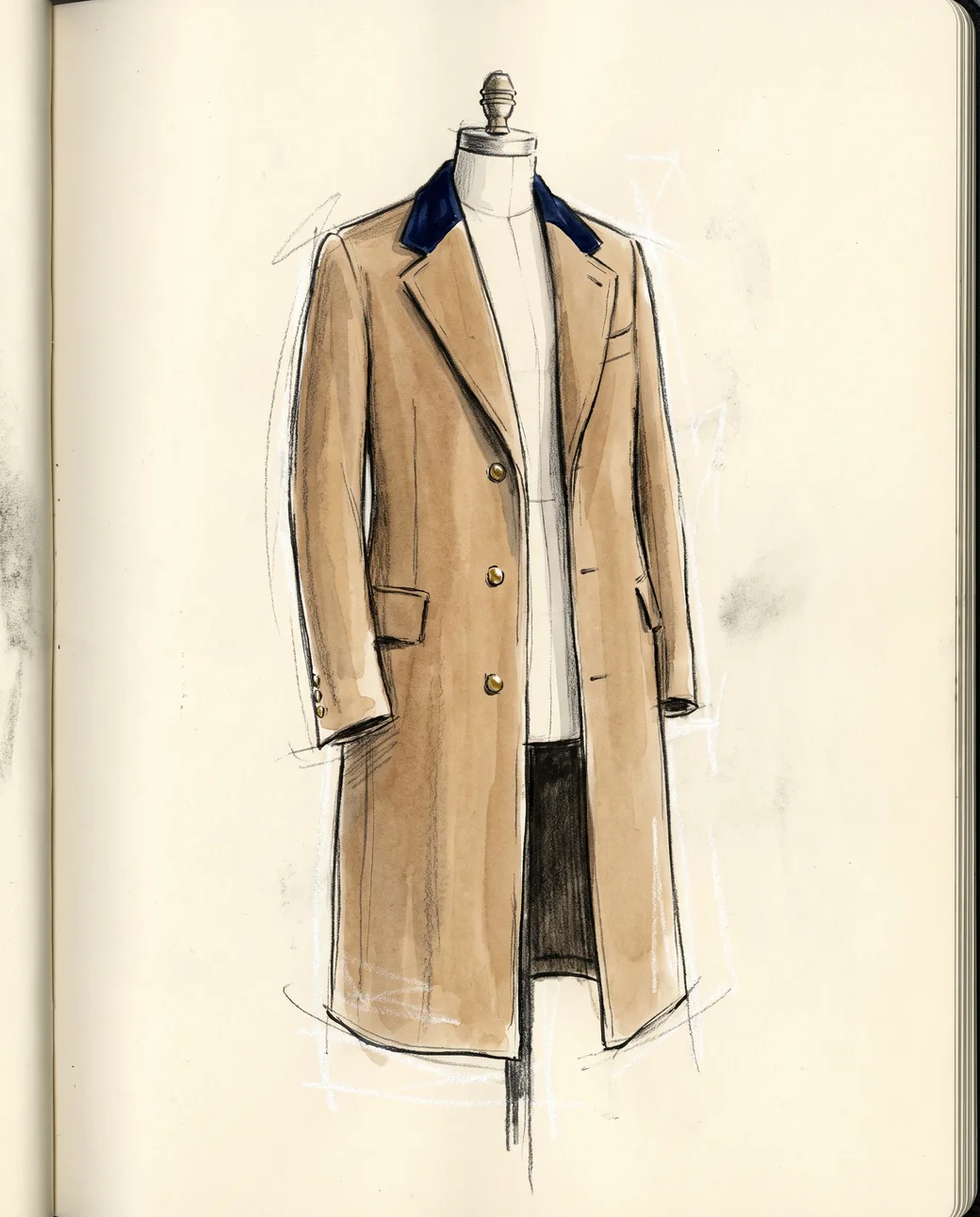
Your coat, made to your specification.
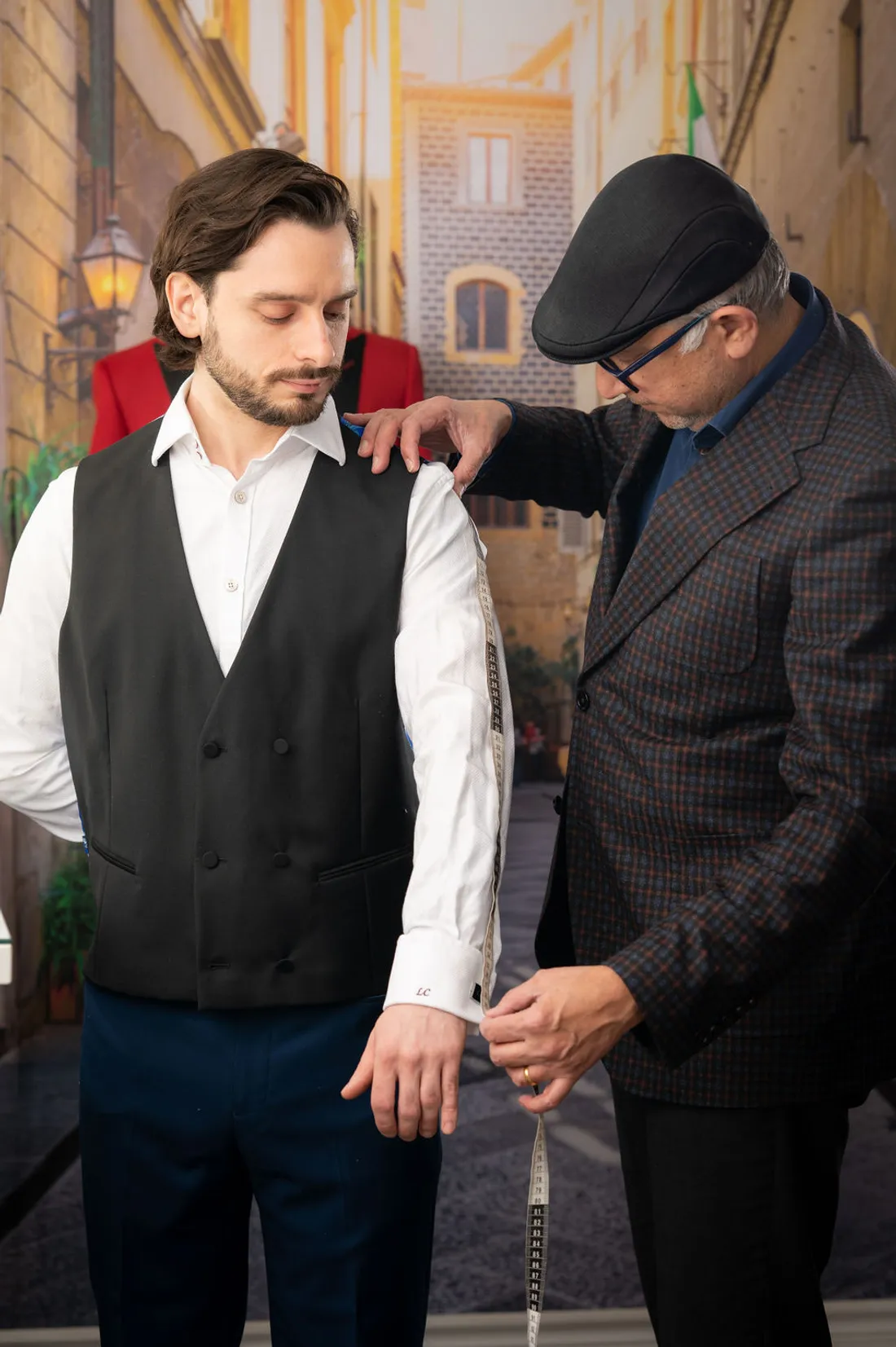
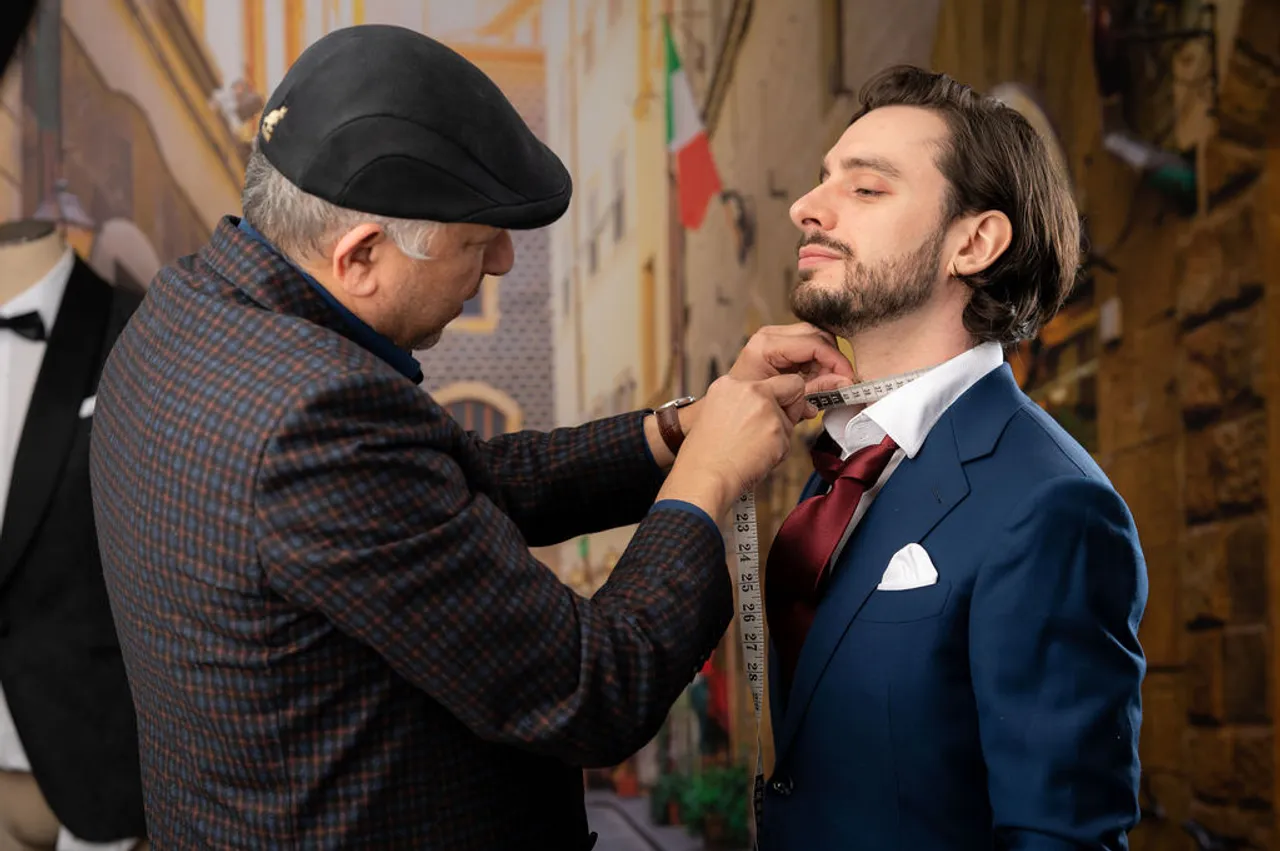
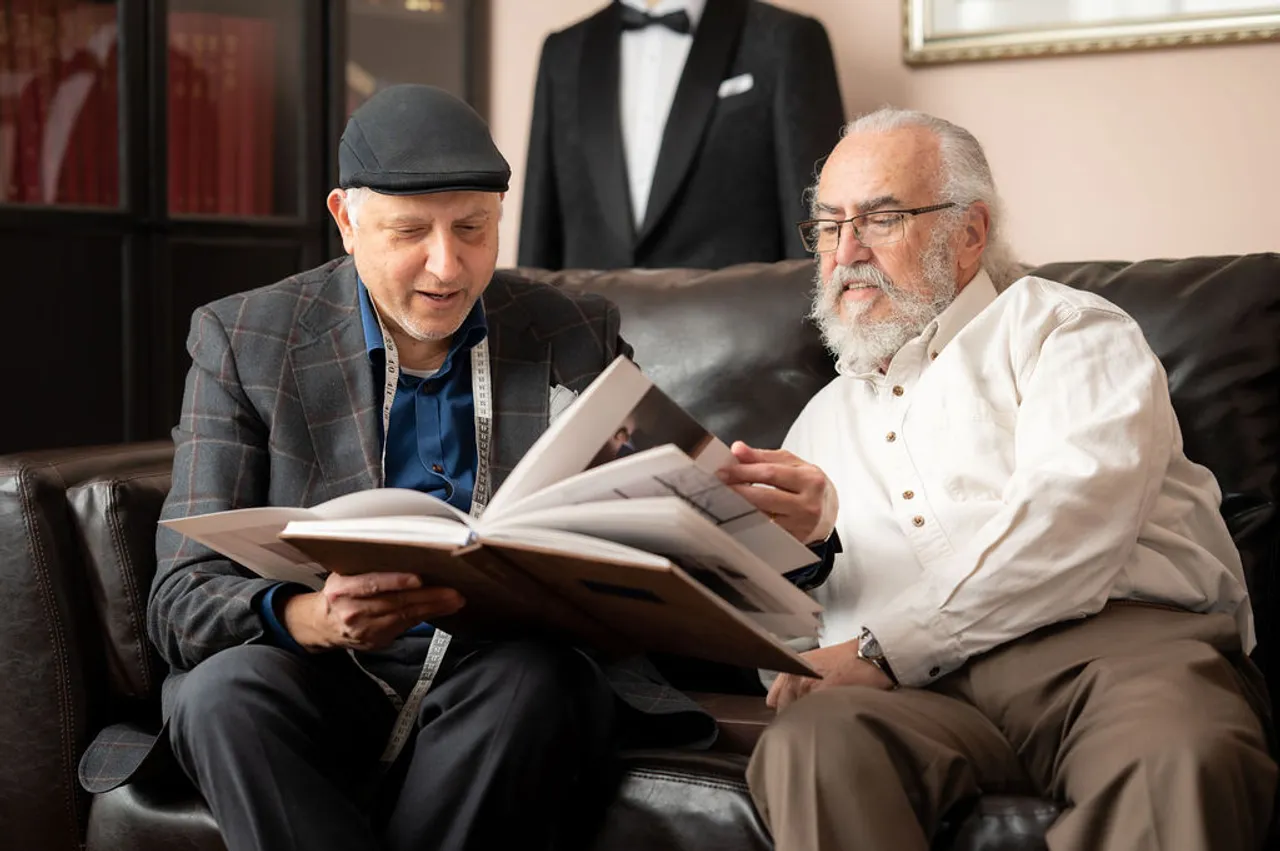
Cut over a suit
Drafted to sit cleanly over a jacket: no pulling, no ride-up at the collar.
Cashmere, trench & rain
Fine cashmere overcoats, and trench coats and raincoats for the wet months, all cut to you.
Every classic coat
Chesterfield, polo, covert, peacoat, topcoat and car coat, from the formal to the everyday.
Winter fabric
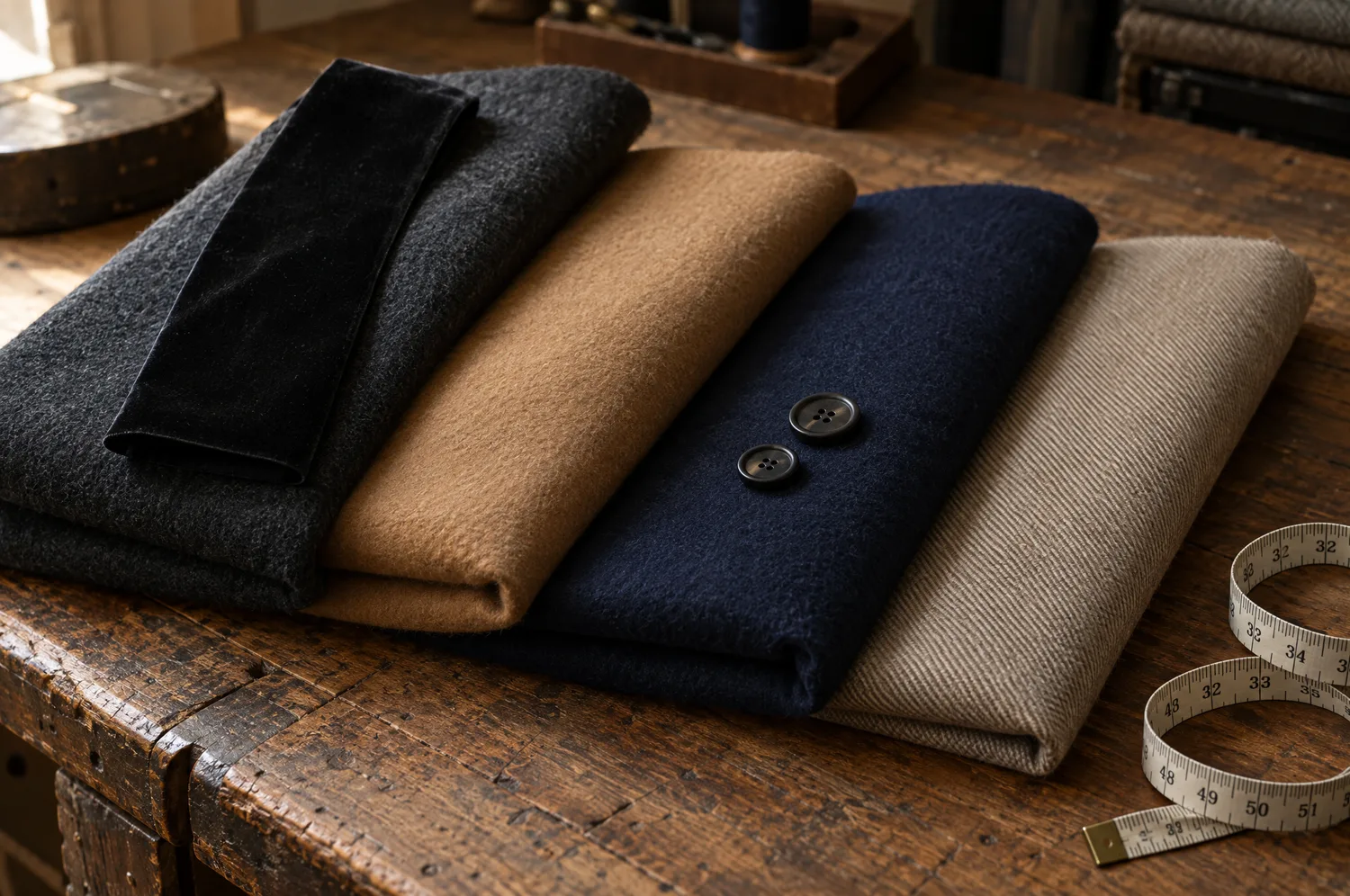
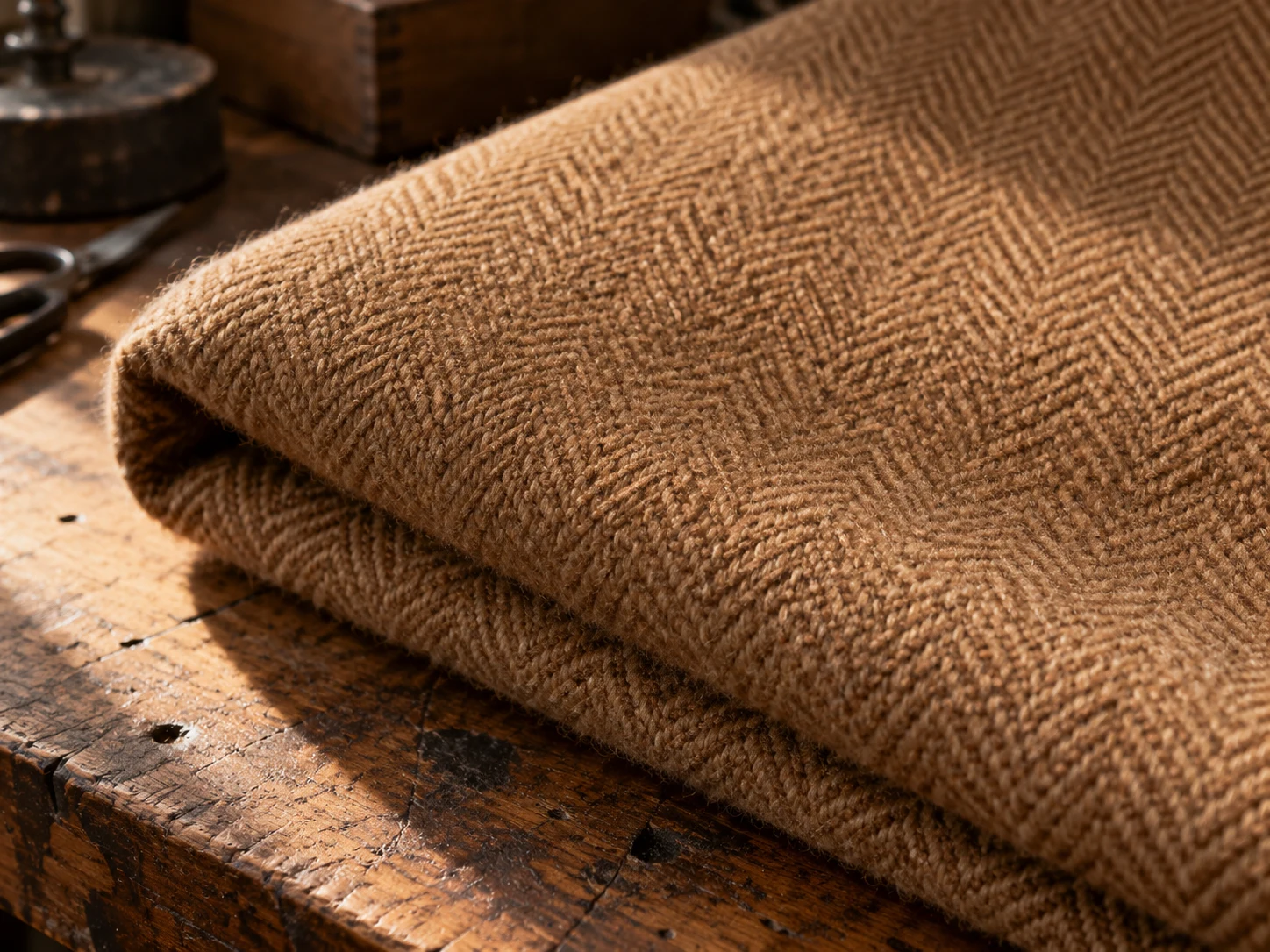
Heavy Melton, camel-hair, wool-cashmere: warmth that still drapes.
Length to you
Knee, below-knee or shorter, cut to your height and how you wear it.
Melton, cashmere, wool-cashmere, camel-hair and covert fabric: the heavy, handsome fabrics a Toronto winter actually calls for, and lighter cloths for a trench or a raincoat. Explore the fabric library →
No guessing at the price of your coat.
- To make About five weeks: 35 days from the first appointment to the finished coat.
- Payment Half when the fabric is chosen, half on delivery.
- Alterations Part of the price, not a line item at the end.
- Reorders Your measurements are kept, so the next one is a phone call.
- Where The first appointment and the fitting at the studio, or at your office or home on request (book an office visit).
You get one firm price before anything is cut, and the first consultation costs nothing.
More on winter coats
The questions people ask at the bench before they ever pick a cloth, answered properly. Ten minutes here and the first visit goes further.
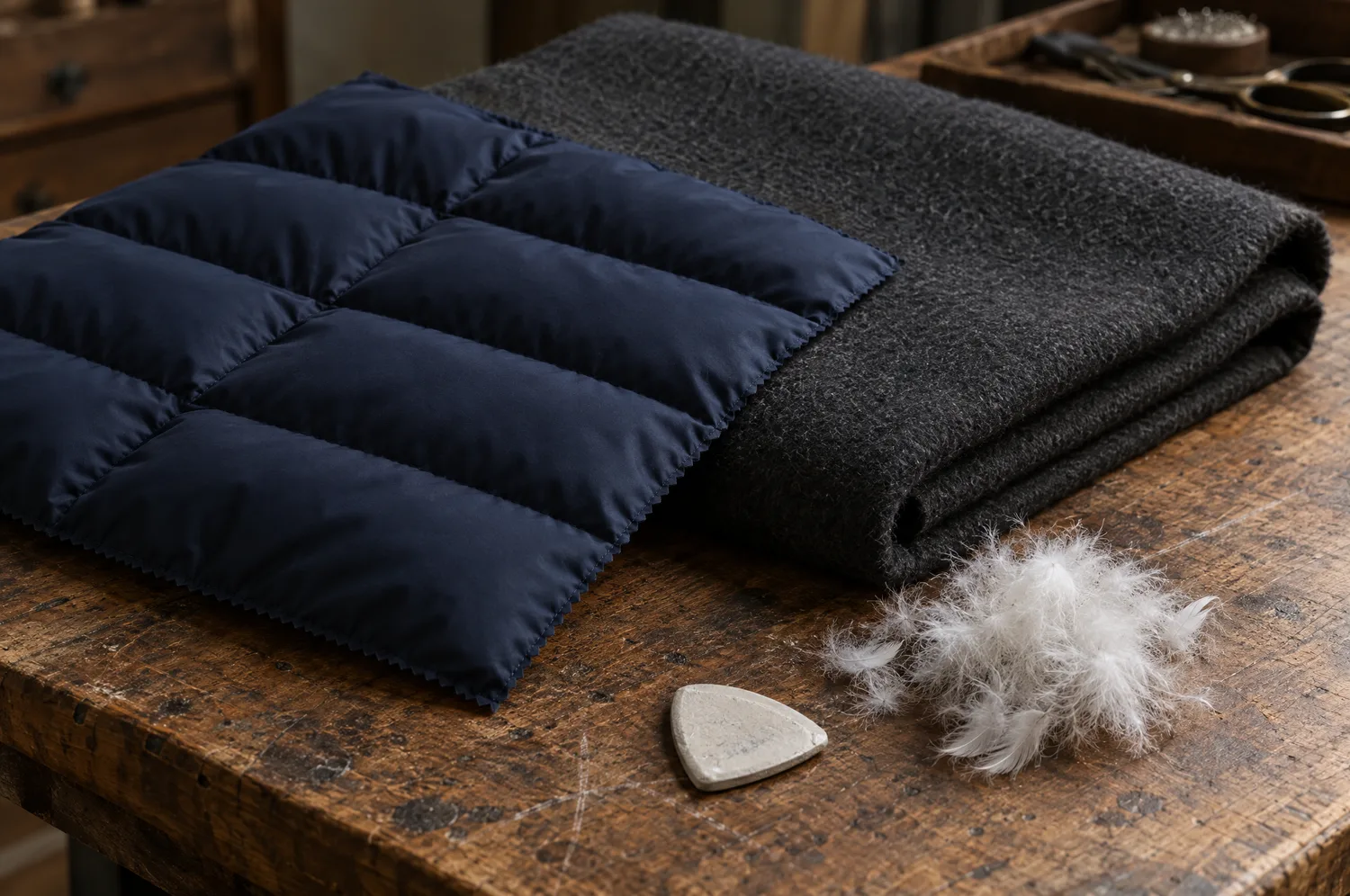 Guide Down coat or wool overcoat? Read the guide Guide The overcoat styles, explained Read the guide
  Guide A coat over a suit for the commute Read the guide
 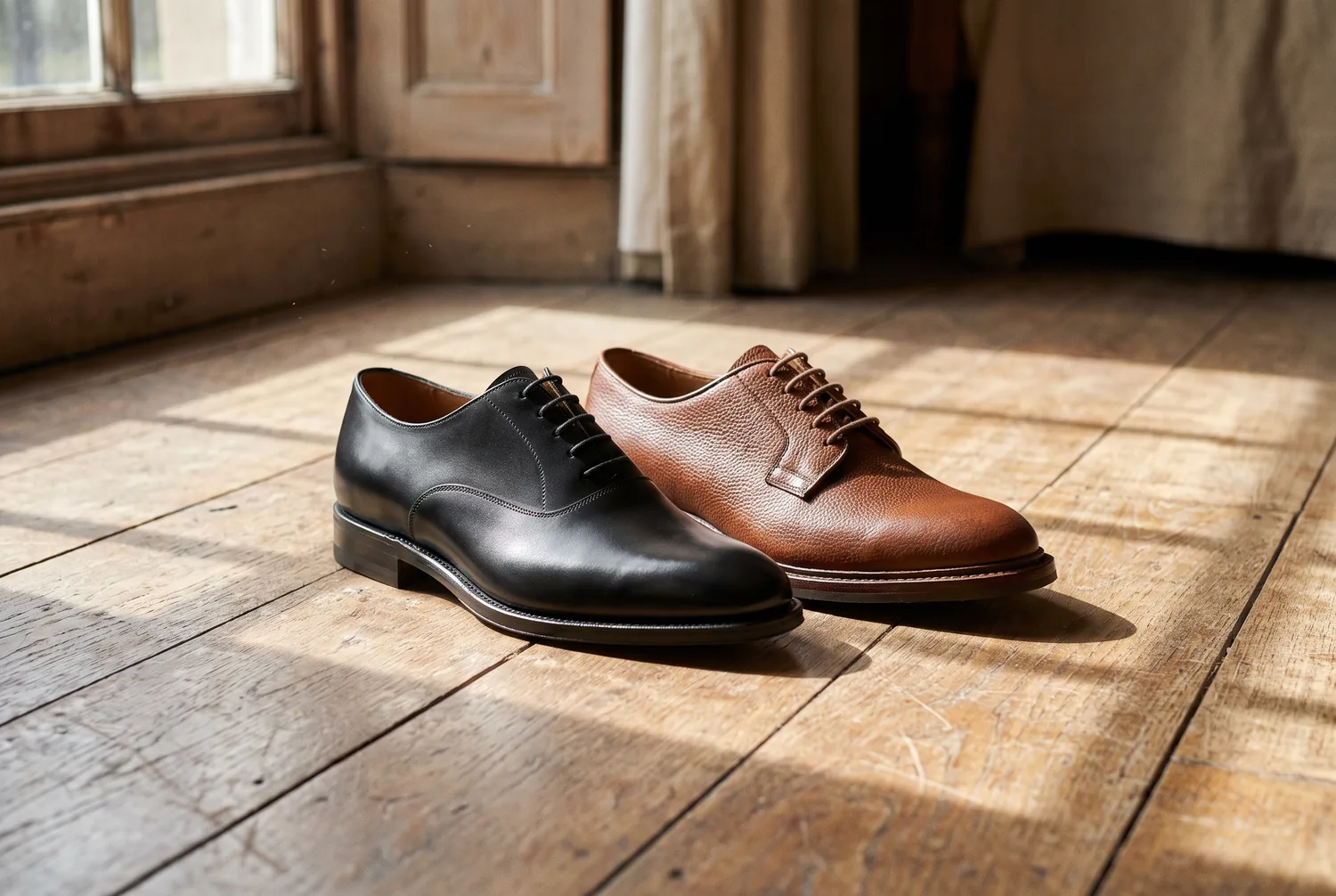 Guide Road salt and your clothes Read the guide
 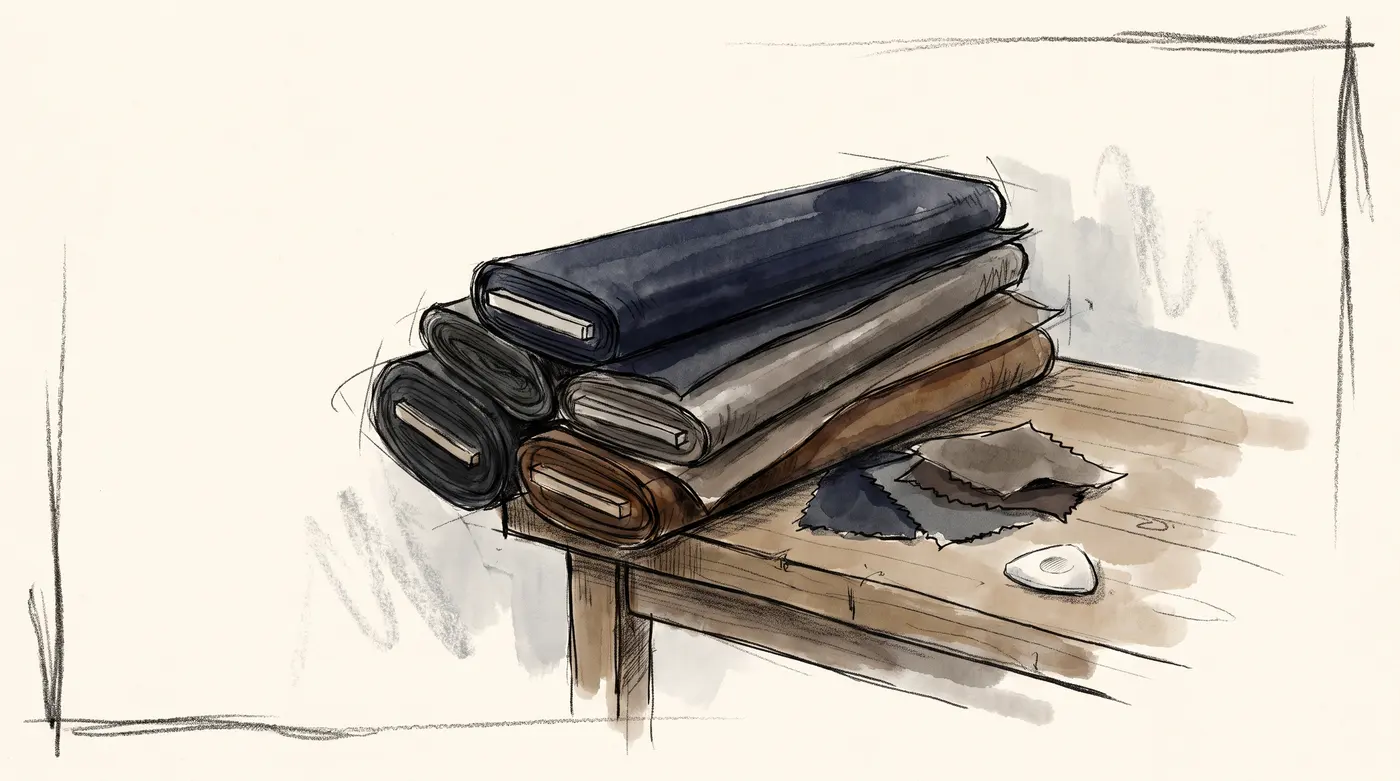 Guide Fabric for a Toronto winter Read the guide
 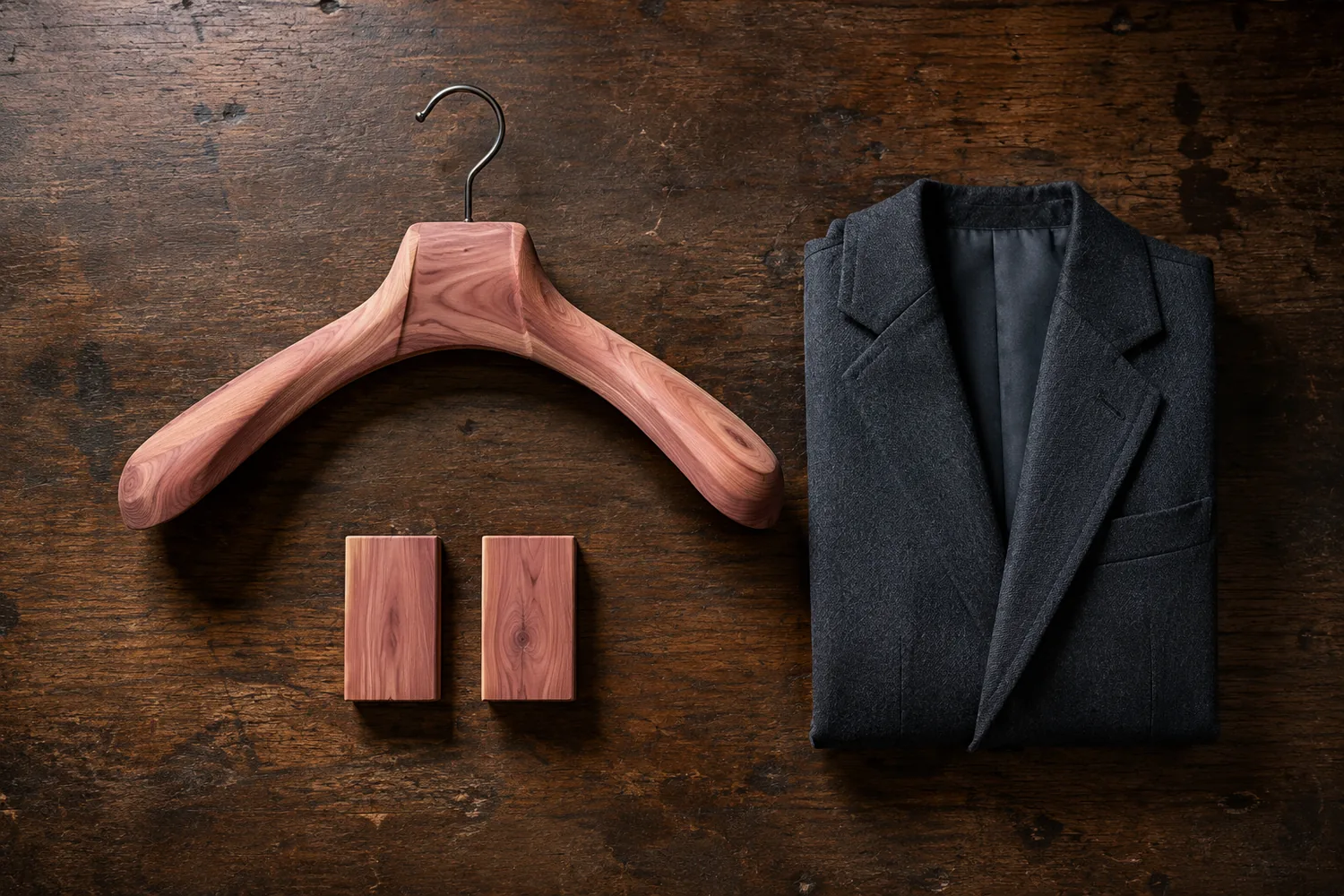 Guide How to care for tailoring Read the guide
 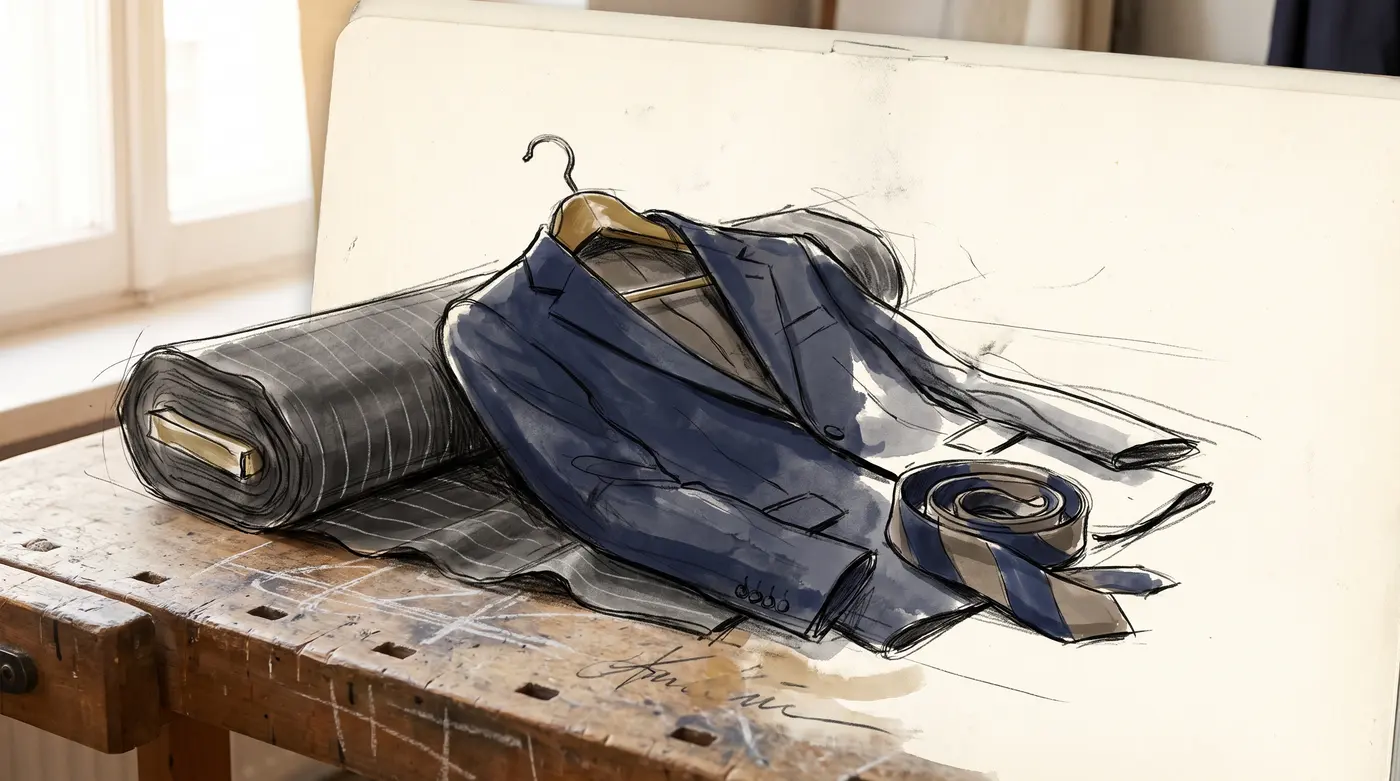 The service Business Suits in Vaughan & the GTA See business suits
 What people actually said.
“Always bought my suits off the rack and always struggled with getting a quality suit that fit. A friend recommended I try Sam and I don't think I'll ever switch back. Sam has an extremely wide selection of fabrics and the detail he puts in every suit is truly remarkable. From the fit to choosing my fabric and design, Sam will be my go-to.
Rafi Habs · ★ Google
“Extremely positive experience. I came in with a baggy, off-the-rack, final-sale suit another tailor said needed shoulder work. I picked it up the following week and it far exceeded my best expectations. Professional.
Google reviewer · ★ Google
“Sam is an amazing tailor and helped me pick out a wicked suit. He's very friendly and will help you step by step.
Alexander Ferrier · ★ Google
Good to know.
Overcoat or topcoat?
A topcoat is lighter and shorter, made for spring and autumn over a suit. An overcoat is heavier and longer, made for a Toronto January. If you are only having one made, the overcoat earns its keep for more months of the year here.
What length?
Below the knee is the classic and it keeps you warm; mid-thigh is easier to drive in. The one rule worth keeping is that the coat must cover the jacket beneath it, or the suit hem shows and the line is lost.
Do you make down coats or parkas?
No. Sam makes tailored coats: cashmere and wool overcoats, trench coats, raincoats and pea coats. For most of a Toronto winter, a heavy cashmere or melton overcoat cut to go over your suit is the tailored answer; the guide on down or wool sets out when each one is the right coat.
Can you alter a coat I already own?
A wool or melton coat, yes: Sam alters them, whether he made them or not. He does not take on down coats or parkas.
Is it a Canada Goose coat?
No. Sam worked at Canada Goose, where his role was increasing the efficiency of fabrics, but Sam's Menswear is his own studio and is not affiliated with Canada Goose. What you get is a tailored coat made to your measurements, under his name.
Down or wool: which is warmer?
For its weight, down. It traps more still air than any cloth, which is why it wins for standing at a bus stop in January. Wool is denser, blocks the wind well, keeps insulating when it is damp, and looks like tailoring over a suit. Sam makes the wool and cashmere kind.
Can a warm coat still look sharp?
That is the point of having one made. A coat off the rack is warm or well cut and rarely both, because it is sized for an average body under an average sweater. Cut to you, the shoulders sit, the length is right for your height and the colour is your choice, not the season's.
Will it fit over a suit jacket?
It is measured over the layers you actually wear, which is exactly what off-the-rack gets wrong. Tell Sam whether it goes over a jacket, a jacket and a knit, or just a shirt, and bring the jacket to the fitting.
Will Sam come to my office?
Yes, to your office or your home: Sam comes to you for the first appointment (the measuring, a selection of cloth and the conversation), and measures you over the jacket you wear to work, which is the layer the coat has to clear. He comes for the fitting on the finished coat too if you'd rather. Book it online or by phone and he will confirm the time and the address.
What fabric survives a Toronto winter?
Something with weight and some body: a heavier wool, a wool and cashmere blend for softness, or a tighter weave if wind matters more than snow. Sam will steer you by how you actually commute rather than by what feels dear in the hand.
How long does a coat take?
About five weeks: 35 days from the first appointment to the finished coat. Order in October rather than the week the first snow arrives, and you get the choice of fabric rather than what is left.
Can the lining be something unusual?
Yes, and a coat is the best place for it, because the lining is the part only you see. A colour, a pattern, or a monogram at the inside pocket.
Why have an overcoat made instead of buying one?
A store coat is cut for a man in a sweater. Drop a suit jacket underneath and it pulls across the back and rides up at the collar. A made overcoat is drafted to sit cleanly over tailoring, warm without the bulk.
What overcoat styles do you make?
The velvet-collared Chesterfield, the camel polo coat, the fawn covert coat, the navy peacoat, trench coats and raincoats, a topcoat for milder days and an everyday car coat, in cashmere, camel hair and heavy wool.
What fabric is best for a Toronto winter coat?
Melton, cashmere, wool-cashmere, camel-hair and covert fabric: heavy enough to hold warmth and their line, but still able to drape. I'll match the weight to how cold you actually run.
How long should my overcoat be?
Long enough to cover your suit jacket: knee or just below for a formal coat, shorter for a car coat. I cut the length to your height and how you wear it.
Have outerwear made for you.
The first appointment costs nothing, and it happens where it suits you: at your office or home, or at the Vaughan studio with one client in the room. Sam comes to you for the fitting too, if you prefer.