Custom Suit Linings in Vaughan and Toronto
The outside of a suit belongs to the room. The inside belongs to you. It is the one part of a garment where taste costs nothing and nobody gets a vote but the man wearing it.
★ 4.8 · 160 Google reviews · First appointment free & no-obligation
What can the lining of a custom suit actually be?
Anything you like, because nobody else sees it. Sam lines in cupro (Bemberg), a regenerated-cellulose fabric that breathes through a long day where cheap polyester traps heat. Plain, patterned, or a colour that would be absurd on the outside. A monogram or a date can be stitched into the inside pocket.
Ask a man about his suit and he will tell you the colour of the fabric. Ask him why he likes it and, often enough, he will open the jacket. The lining is the part of tailoring that is purely his: it is not seen across a boardroom, it does not have to be appropriate, and it is the one decision in the whole commission where the only correct answer is the one you want.
It is also not only decoration. A lining is what a jacket slides over a shirt on, what stops the shoulders dragging when you put it on standing up, and what decides whether you are comfortable at four in the afternoon. Cheap polyester lining is the reason a great many perfectly good suits are unbearable in July.
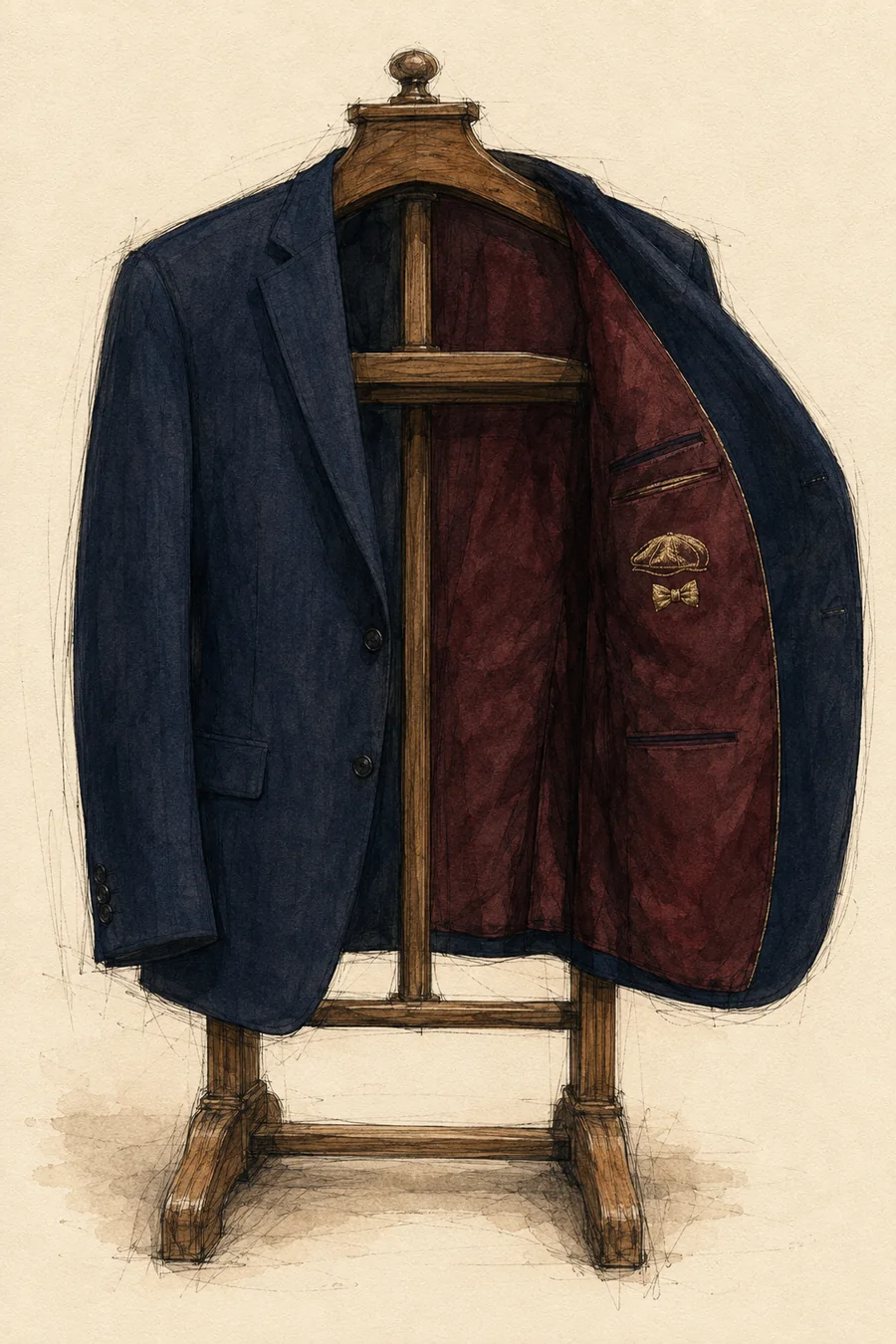
Your lining, made to your specification.
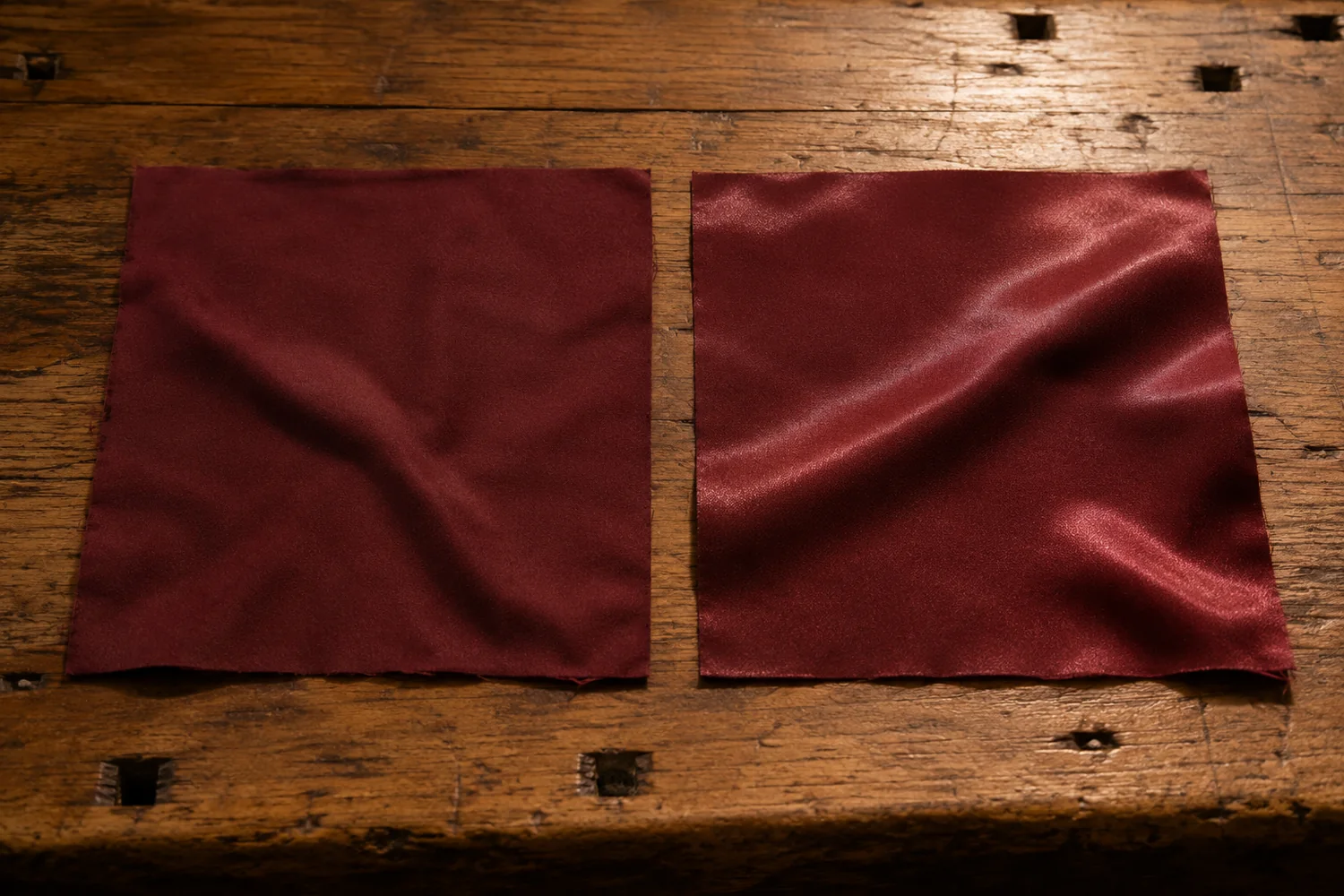
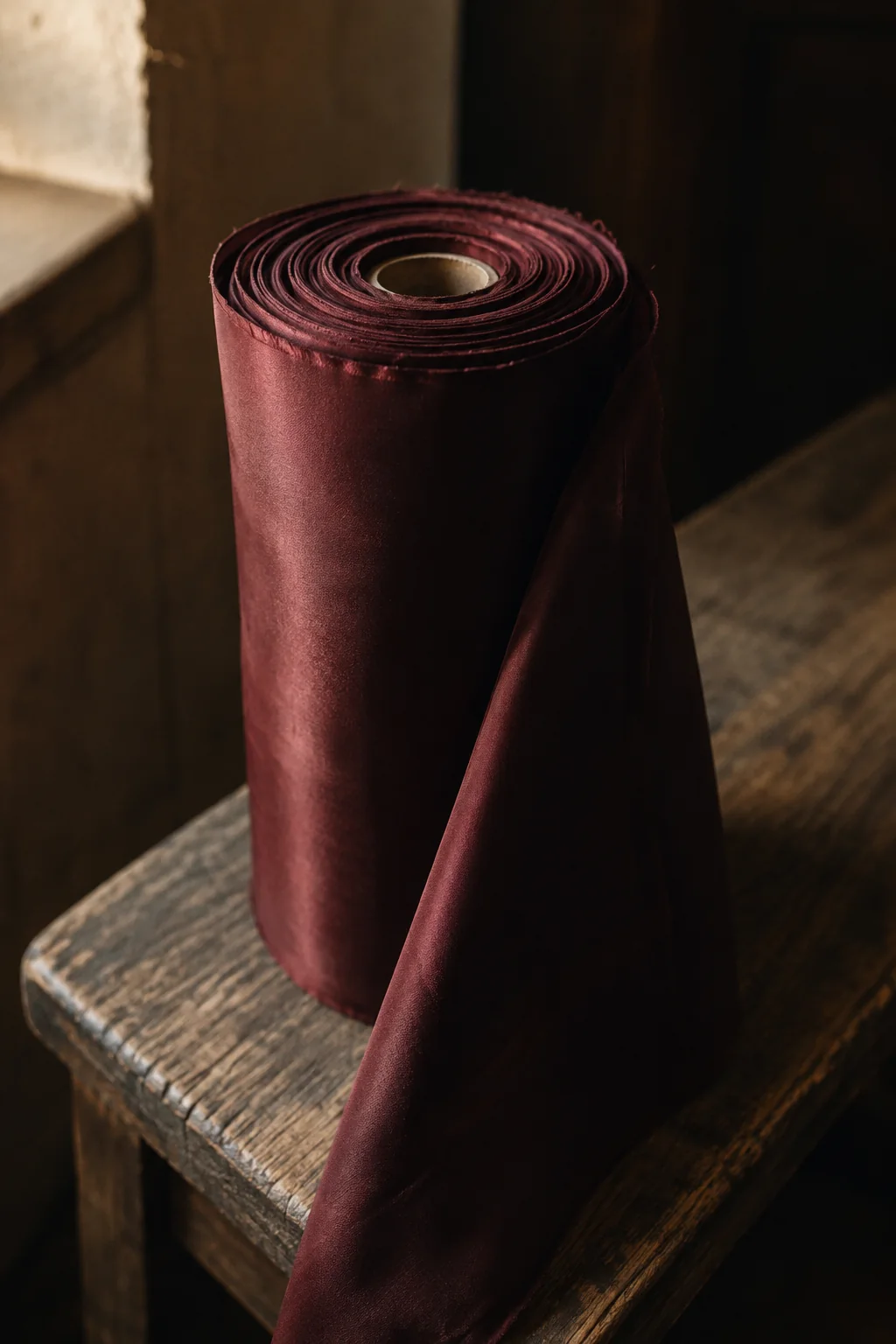
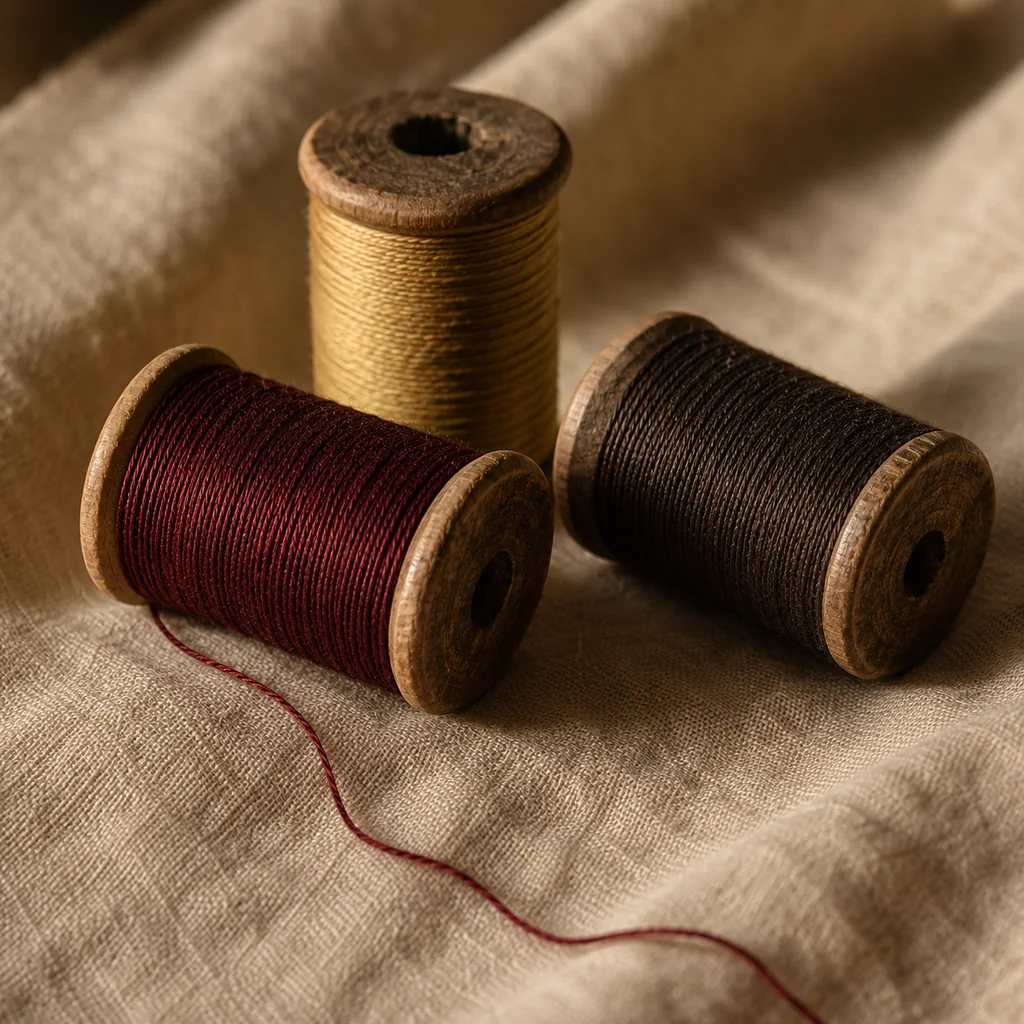
Cupro, not polyester
Sam lines in cupro, sold as Bemberg: a regenerated cellulose that breathes and moves moisture the way a natural fibre does. Polyester is cheaper and it is why a suit can feel like a bin liner by the afternoon.
Plain, or not remotely plain
Oxblood and hunter green are the house defaults. Beyond that: paisley, a fine stripe, a colour that would be ridiculous on the outside and is exactly right on the inside.
Contrast where it shows a little
The under-collar, the sleeve lining and the inside of a cuff catch light when you move. A quiet shell with a sharp lining is the oldest trick in tailoring and still the best one.
Your monogram, stitched in
Two or three letters at the inside pocket, in thread you choose. The detail nobody notices on a Tuesday and you notice on a Friday.
A date, or a dedication
A wedding date inside a groom's jacket. A name inside a suit bought for a son. Stitched where only the wearer will ever read it, which is rather the point of it.
Half-lined for summer
A jacket lined only through the shoulders and back, left open below, is dramatically cooler in August and hangs softer. Worth asking about if your summers are spent outdoors.
Linings are chosen at the same visit as the shell fabric, held against it in the same light, because a lining that sings on its own can fight the suit it is inside. Explore the fabric library →
No guessing at the price of your lining.
- To make Chosen at the same fitting as the fabric, so it adds nothing to the three to four weeks.
- Payment Half when the fabric is chosen, half on delivery.
- Alterations Part of the price, not a line item at the end.
- Reorders Your measurements are kept, so the next one is a phone call.
You get one firm price before anything is cut, and the first consultation costs nothing.
More on suit linings
The questions people ask at the bench before they ever pick a cloth, answered properly. Ten minutes here and the first visit goes further.
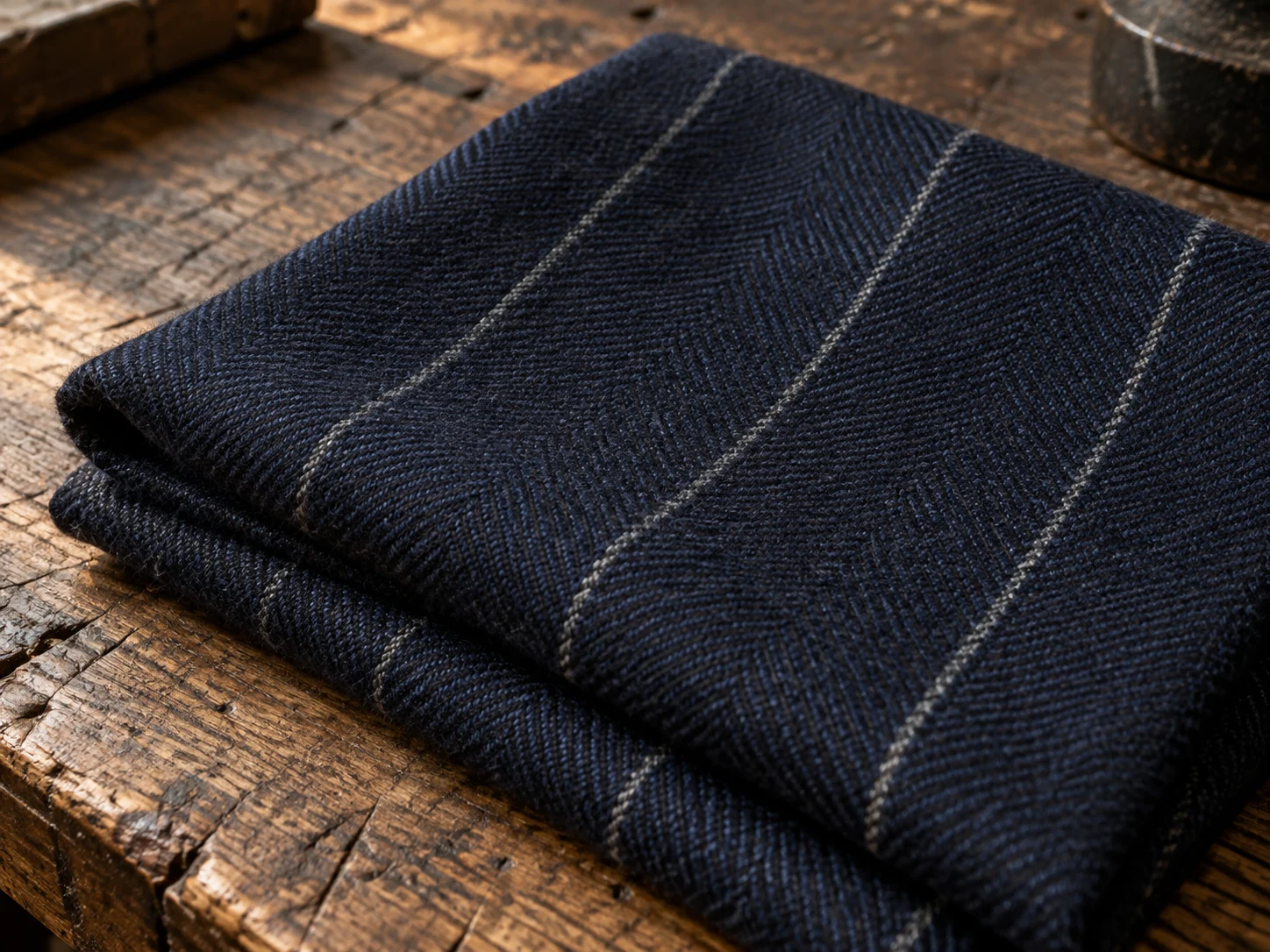 Guide Choosing your fabric Read the guide
 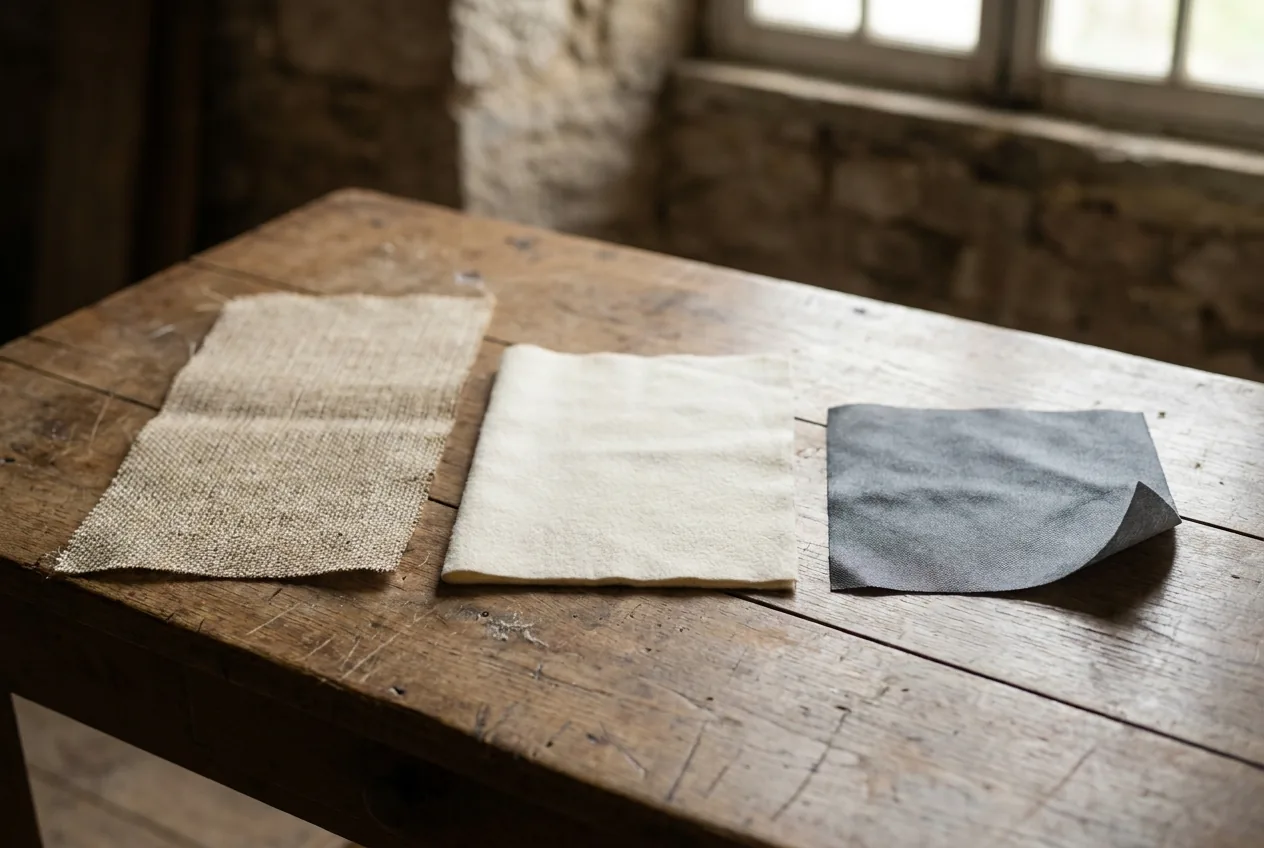 Guide Canvassed vs fused: what is inside a jacket Read the guide
 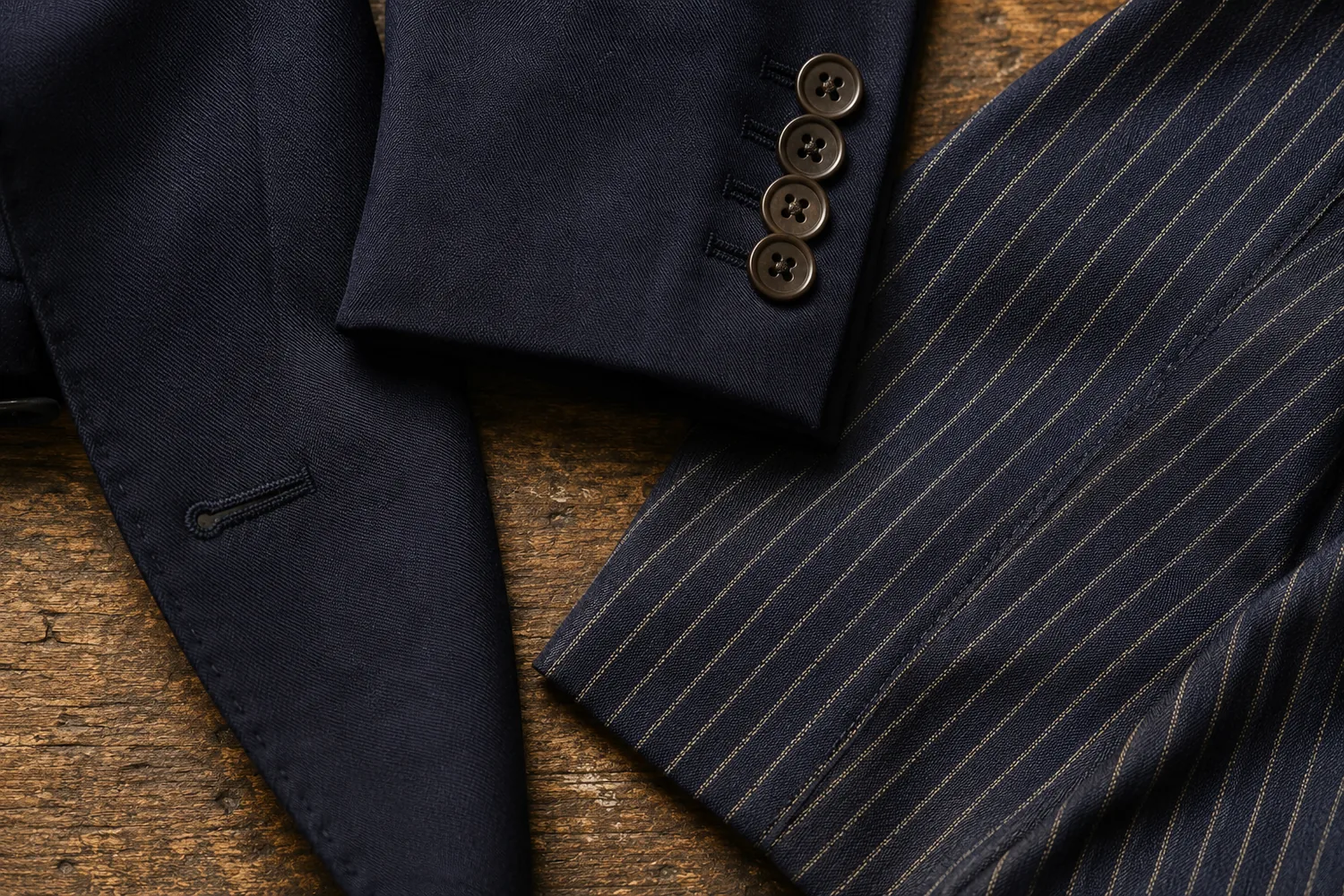 Guide How to tell a good suit Read the guide
 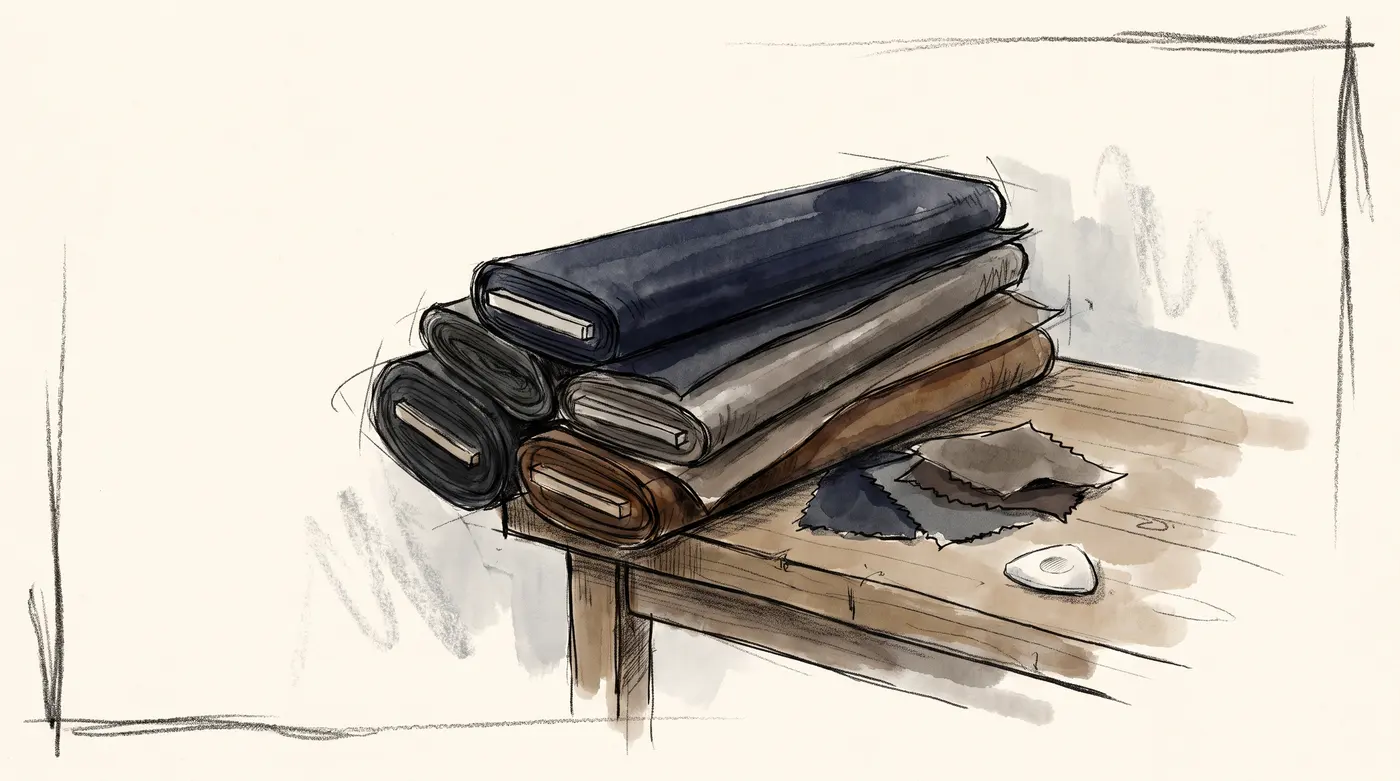 Guide Fabric for a Toronto year Read the guide
 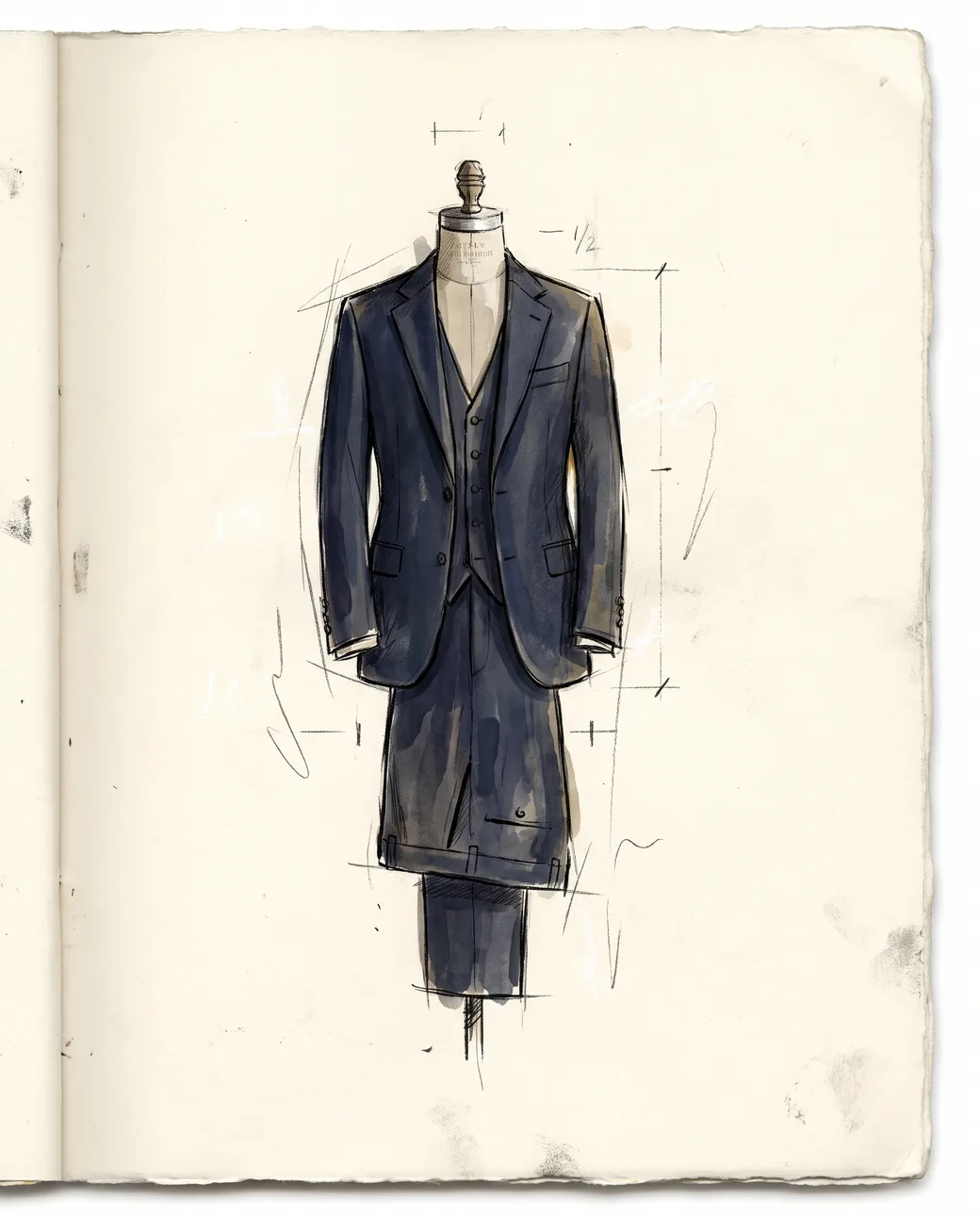 The garment Custom Suits in Toronto & Vaughan See the custom & tailored suits
  The service Business Suits in Vaughan & the GTA See business suits
 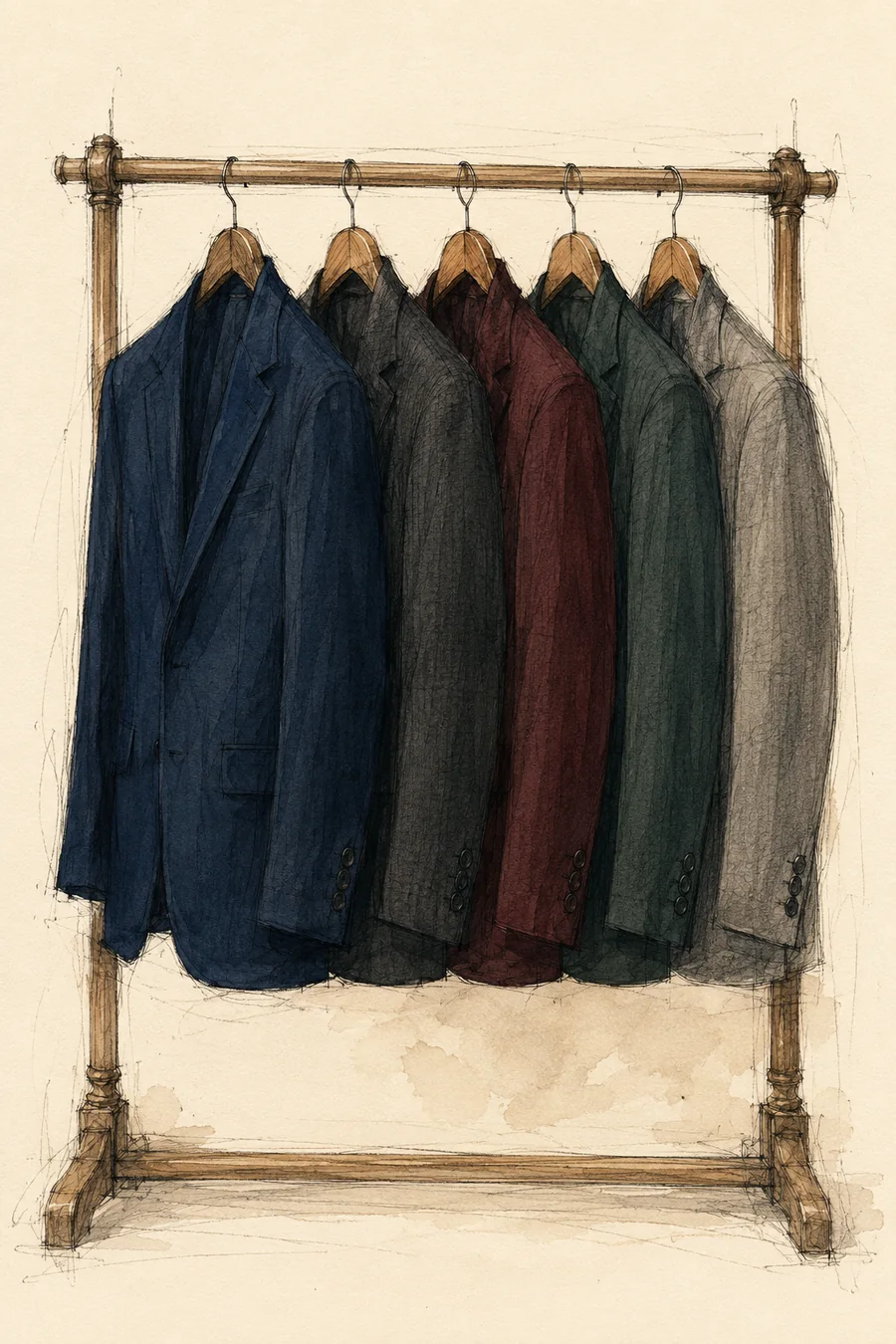 The service The Custom Wardrobe See the wardrobe
 What people actually said.
“Always bought my suits off the rack and always struggled with getting a quality suit that fit. A friend recommended I try Sam and I don't think I'll ever switch back. Sam has an extremely wide selection of fabrics and the detail he puts in every suit is truly remarkable. From the fit to choosing my fabric and design, Sam will be my go-to.
Rafi Habs · ★ Google
“My first custom suit by Sam did not disappoint. He's a master of his craft and everything was fully customized with a perfect fit. I would definitely recommend him for any occasion.
Parth Thakkar · ★ Google
“Sam is an amazing tailor and helped me pick out a wicked suit. He's very friendly and will help you step by step.
Alexander Ferrier · ★ Google
Good to know.
What is the lining actually for?
Three jobs. It lets the jacket slide on over a shirt instead of dragging, it hides the construction and the seam allowances, and it decides how warm the garment is. A jacket with no lining at all is cooler but shows everything the tailor did inside it.
What is cupro, and why not polyester?
Cupro, usually sold as Bemberg, is regenerated cellulose: a plant-derived fibre that breathes and carries moisture away the way cotton does. Polyester is cheaper and does neither, which is exactly why so many suits become unbearable in a warm room.
Can I have a loud lining in a conservative suit?
That is the classic combination and Sam will encourage it. A navy or charcoal shell reads correctly in any room; what is inside it is nobody's business. It is the safest place in the whole garment to have some fun.
Can you put a monogram or a date inside?
Yes, at the inside pocket, in a thread colour you pick. Two or three letters is usual. Wedding dates go inside grooms' jackets often enough that Sam suggests it before the groom thinks to ask.
What is half-lining, and should I have it?
The jacket is lined through the shoulders and upper back and left open below, so heat escapes. It is noticeably cooler in a Toronto August and the jacket hangs softer. The trade is that the inside is more exposed, so the work has to be tidy.
Does a special lining cost more or take longer?
It is chosen at the same fitting as the shell fabric, so it adds nothing to the three to four weeks on the bench. The fabric itself varies like any other, and you get one firm price for the whole garment before anything is cut.
Can you reline a jacket I already own?
Often, yes, and it is one of the more satisfying rescues: a good jacket whose lining has shredded under the arms is worth saving. Bring it in and you will be told honestly whether the shell justifies the work.
Will the lining wear out before the suit?
Usually, yes, and that is normal rather than a fault: the lining takes the friction so the fabric does not. A relining part-way through a good suit's life is expected, and far cheaper than replacing the suit.
Have suit linings made for you.
The first appointment costs nothing, and it happens at the Vaughan studio: one client in the room, and the whole hour is yours.