The Jewish wedding: what the chosson wears
Updated July 2026 · Sam’s Menswear editorial team
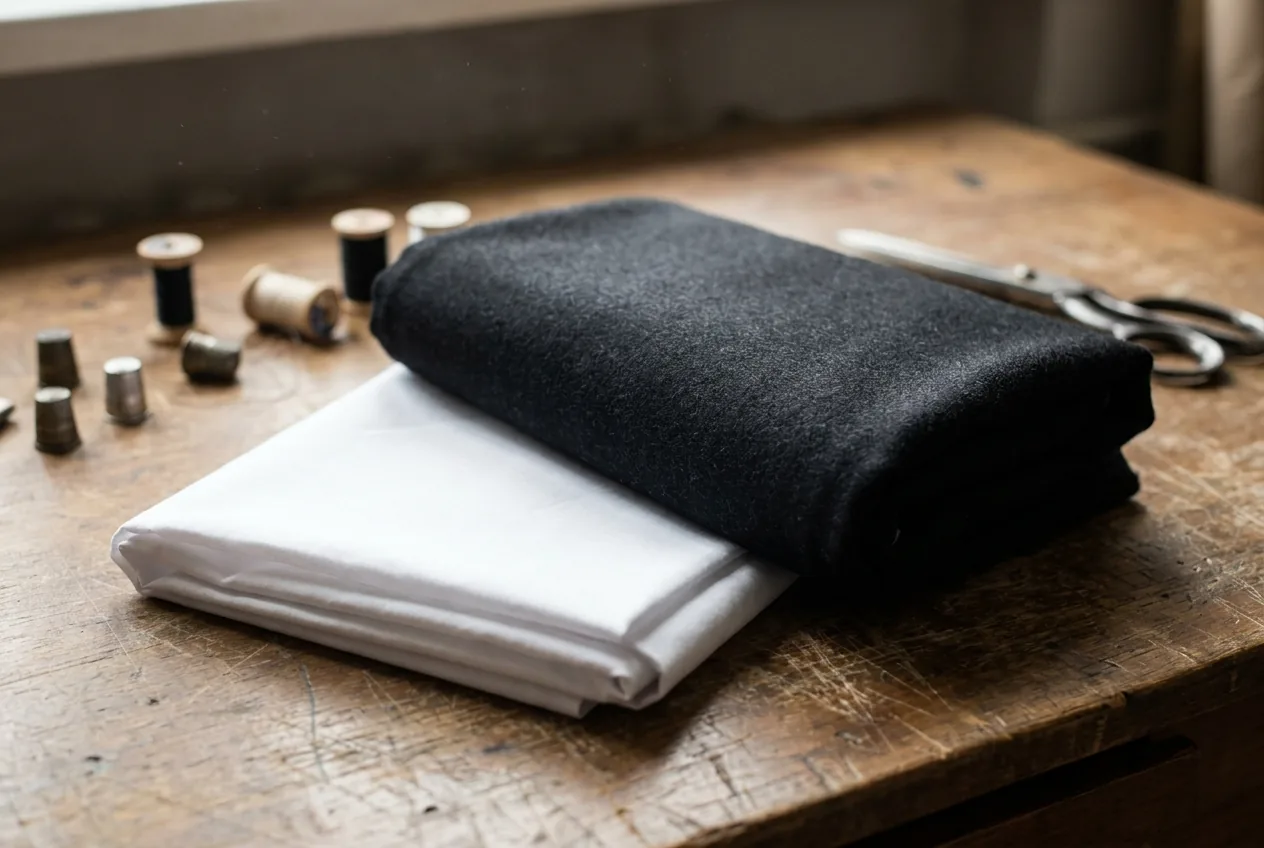
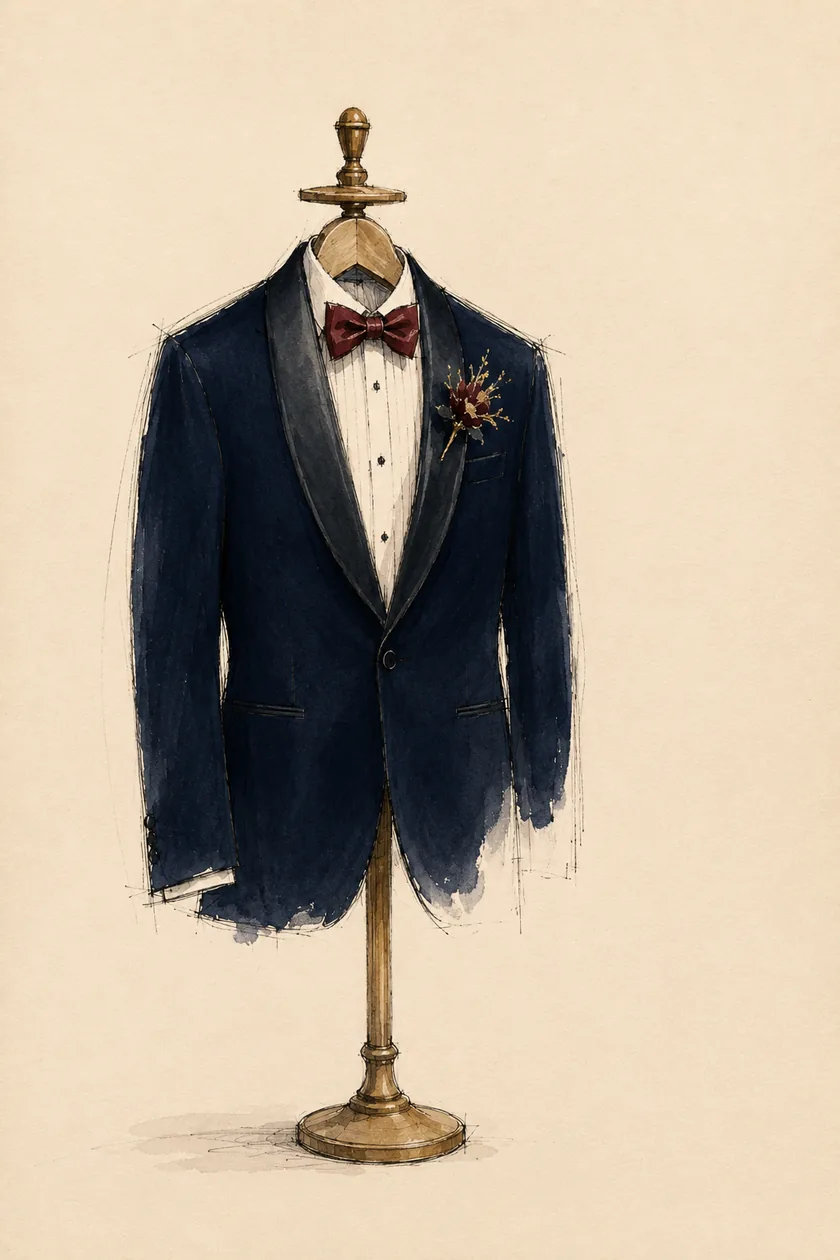
Under the chuppah, most Ashkenazi chassanim wear a plain white kittel over a dark suit, usually the sharp Shabbos suit you already own or one made for the day. In many chassidishe circles it’s a bekishe or kapota instead. Get the suit right first; the kittel and the coordination with both sets of mechutanim fall into place from there.
What does a chosson wear under the chuppah?
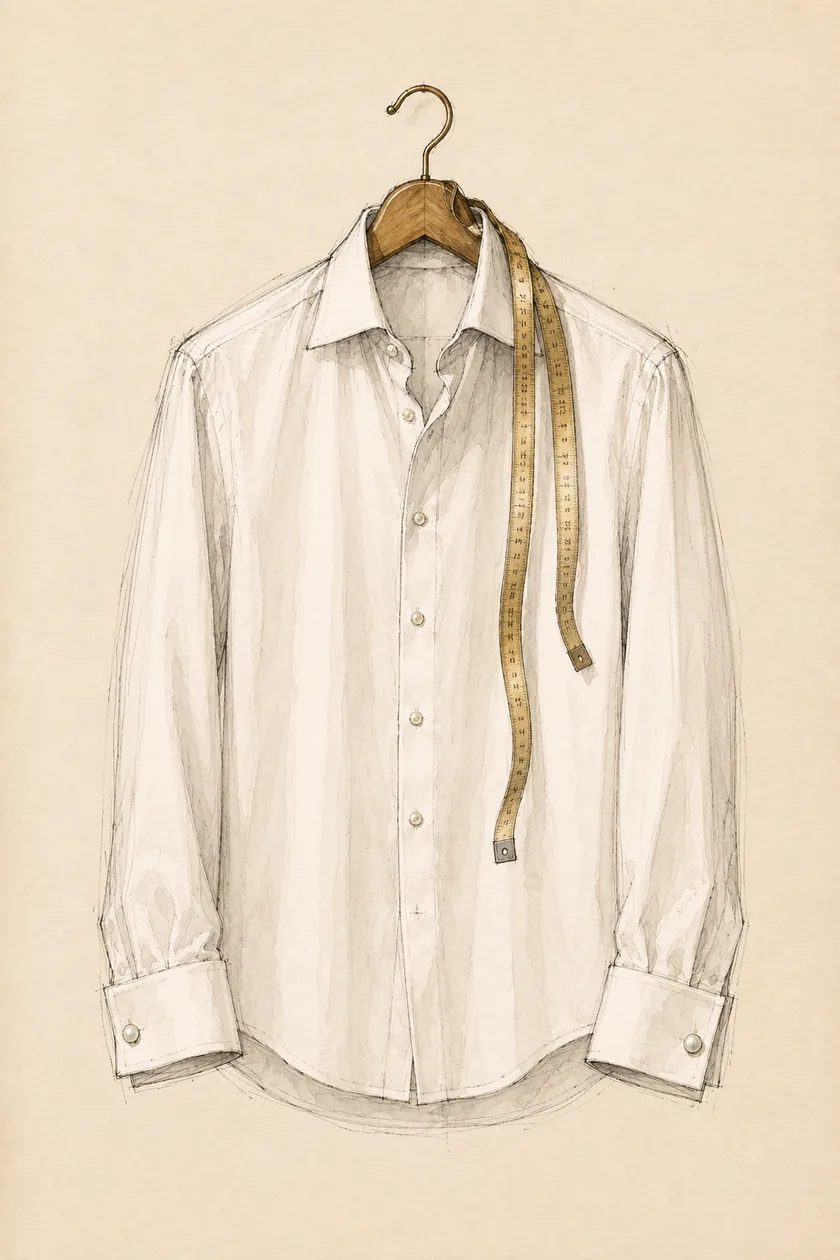
Most grooms wear a fine dark suit with a kittel over it: a plain white linen robe, belted, no pockets, no ornament. The kittel is the piece everyone photographs, but the suit underneath is what carries the day.
The kittel is worn for a reason: it’s a symbol of purity and a quiet reminder that the wedding day is your own Yom Kippur, a clean slate. It’s usually put on you by an attendant or a parent rather than by yourself. Because it goes over the suit, the suit doesn’t need to shout. It needs to fit clean at the shoulder and hold its line all night, through the badeken, the chuppah, and hours of dancing.
Kittel, bekishe, or bekishe under a coat?
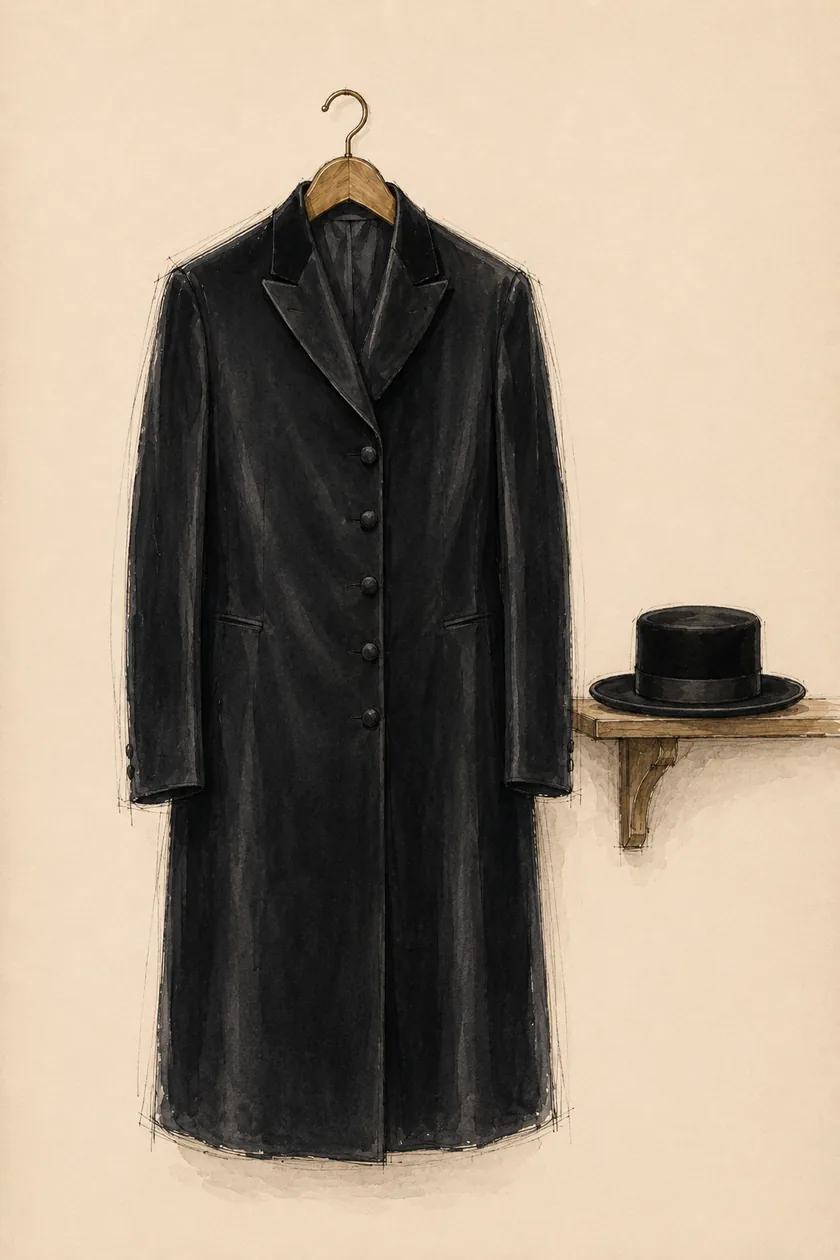
Depends on your community. Litvish and most Ashkenazi chassanim wear a kittel over a dark suit. Chassidishe grooms often wear a bekishe or a silk kapota; in Chabad, a kittel over the kapota, under the coat.
- Standard Ashkenazi: dark suit + kittel over top.
- Chassidish: bekishe or kapota, cut to its own proportions. The length, the drape, the way it hangs is nothing like a suit with different fabric.
- Chabad: kapota, kittel over it, coat over that.
If you’re wearing a bekishe or kapota, that’s not a garment to improvise. The cut is a whole different tradition and it takes someone who’s made them before to get the proportion right. More on the bekishe and kapota →
Do I need a new suit, or is my Shabbos suit fine?
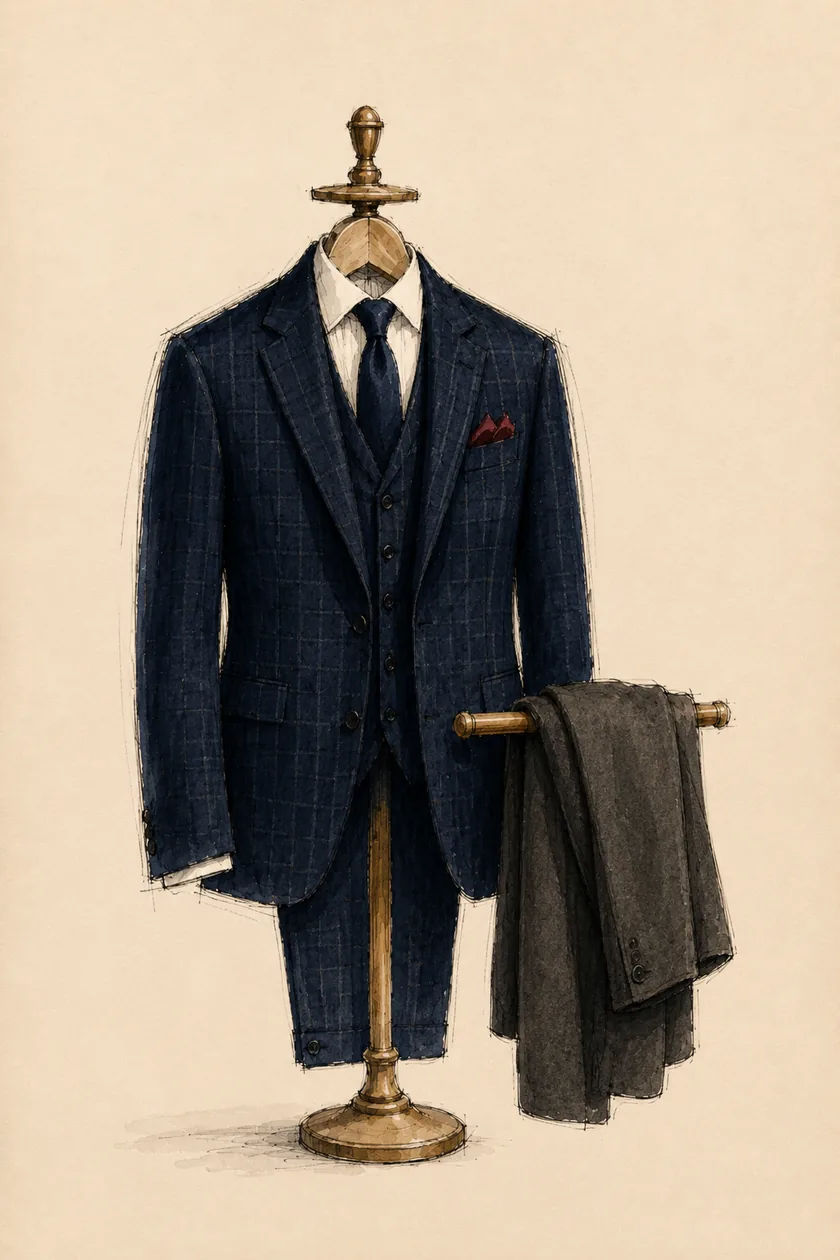
If your Shabbos suit fits well and the fabric still looks sharp, it can absolutely be your wedding suit; the kittel covers most of it anyway. But if it’s tired at the shoulders or you’ve changed shape, this is the day to make a proper one.
Here’s the honest logic: a wedding suit for a chosson is a suit you’ll wear every Shabbos and every simcha for years afterward. That’s the best kind of purchase. It earns its keep long after the wedding. A deep black or midnight navy in a quality wool holds a press through a long night and still reads as kavod in year five. How a suit should fit → · Choosing your fabric →
Rental doesn’t make sense here for the same reason it rarely does for a groom: it’s cut for the average of everyone who wore it before you, and under the chuppah lights the fit never quite lands. The custom-vs-rental math →
How far ahead should I start?
Start three to four months out if you’re having a suit made. A custom suit takes three to four weeks to make; the extra weeks are breathing room to choose fabric and fit properly, without a rush charge hanging over an already busy season.
A wedding is a lot of moving parts. The suit shouldn’t be one of the ones that goes down to the wire. If you’re inside eight weeks, tell your tailor straight. There are usually options, but the sooner that conversation happens, the better. The full wedding suit timeline →
The kittel itself is simple to source and doesn’t need lead time the way the suit does, but confirm early whether your minhag calls for one, so there are no surprises the morning of.
How do I coordinate with the mechutanim?
Talk early, keep it simple. The two fathers and the chosson usually land on the same register (dark suits, similar formality) without matching exactly. You want the chuppah photos to read as one family, not a uniform.
A few things that keep the peace:
- Agree on the register, not the details. “Dark suits, classic cut” is enough. Nobody needs identical ties.
- Let the chosson stand out quietly. You’re under a kittel anyway, but where the suit shows, a slightly richer fabric or a considered detail is plenty. Subtle reads intentional.
- Bring both fathers in together if you can. If the fathers-of-the-couple are also having suits made, one shared conversation with the tailor settles colour and formality in ten minutes and avoids the awkward mismatch. The father-of-the-groom-and-bride suit →
The mechutanim relationship is new and worth protecting. Getting the clothing right early is a small, easy win that sets a good tone. Nobody remembers a perfectly coordinated tie, but a clash in the photos gets noticed for decades.
What about after the wedding?
Everything you buy for the day should have a life after it. The suit becomes your best Shabbos suit. The kittel gets worn again: on Yom Kippur, at the Pesach seder, for years to come.
That’s the whole philosophy of dressing for a community where clothes carry meaning: nothing is a costume for one day. It’s all made to the person, made to last, made with an understanding of what the garment is for. More on the traditional wardrobe →
Getting married in the GTA (Thornhill, Vaughan, Toronto and out)? Sam has dressed chassanim from the community for over thirty years, and he’ll measure the whole party at the studio together. Book an appointment while the date is still months away, or start designing your suit whenever you’re ready.