How to set the groom apart from his groomsmen: seven ways, drawn
Updated September 2026 · Sam’s Menswear editorial team
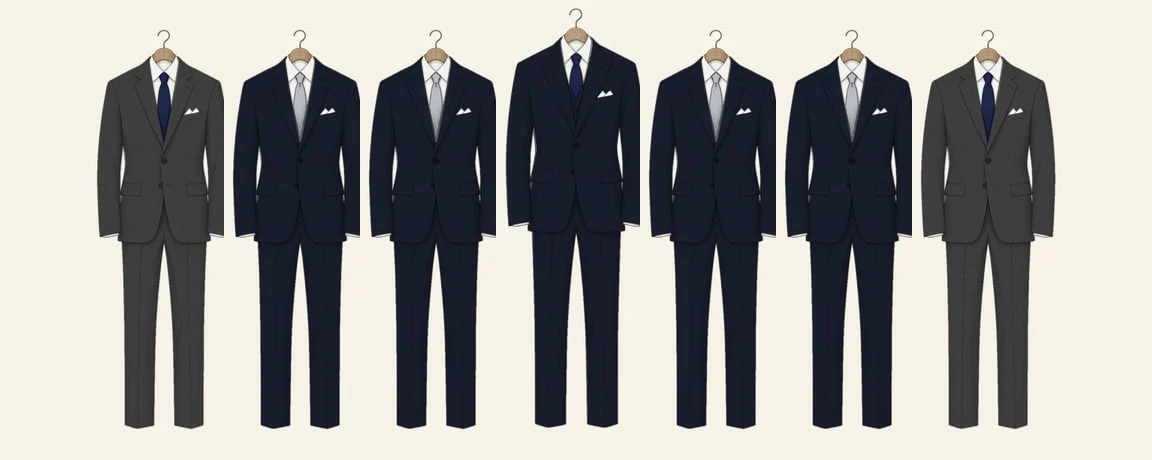
In the photographs that matter, the groom stands in the middle of a row of men in suits. He should be the first one you look at, and he should still look like he belongs to the row. That is a narrow target, and most grooms miss it in one of two directions: identical to his groomsmen, or dressed for a different wedding altogether.
The answer is one or two deliberate differences. The drawings below are the same navy wedding party on the Wedding Party Board, each with the groom changed in one way.
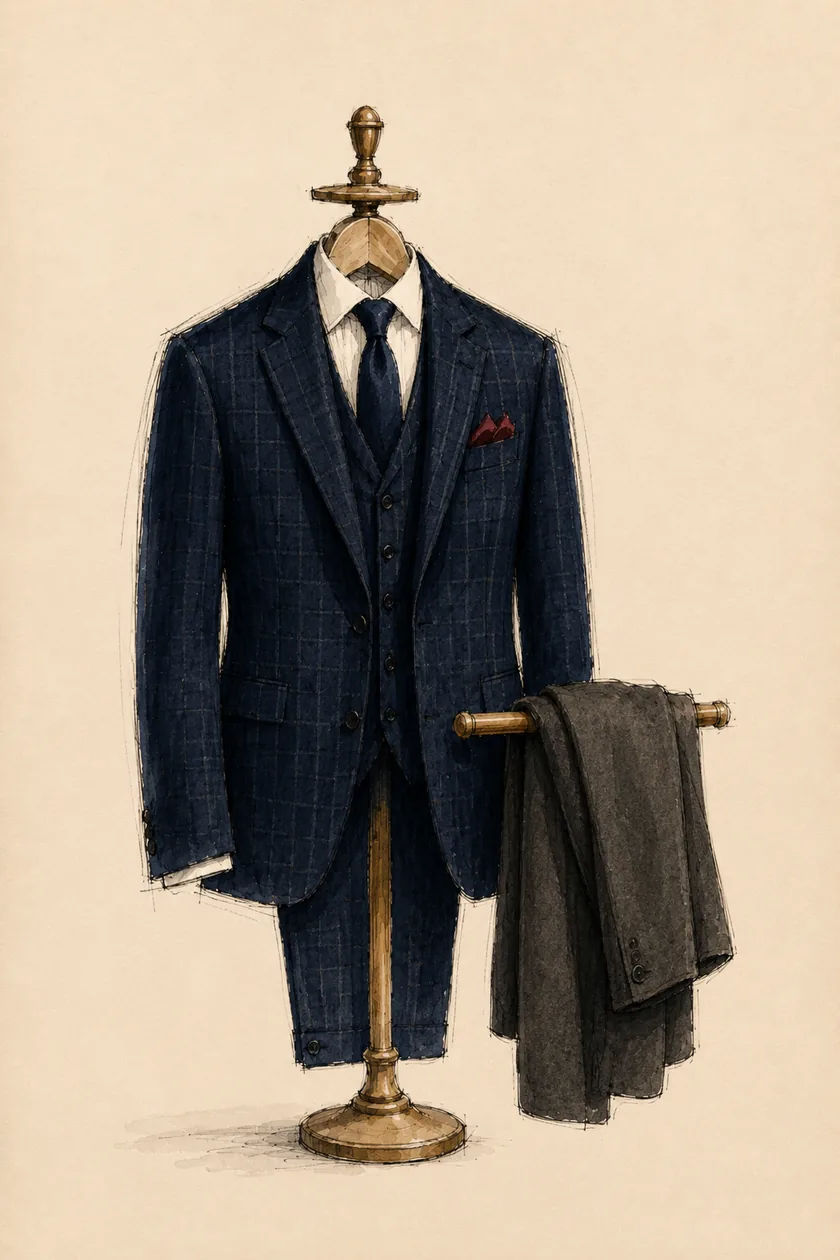
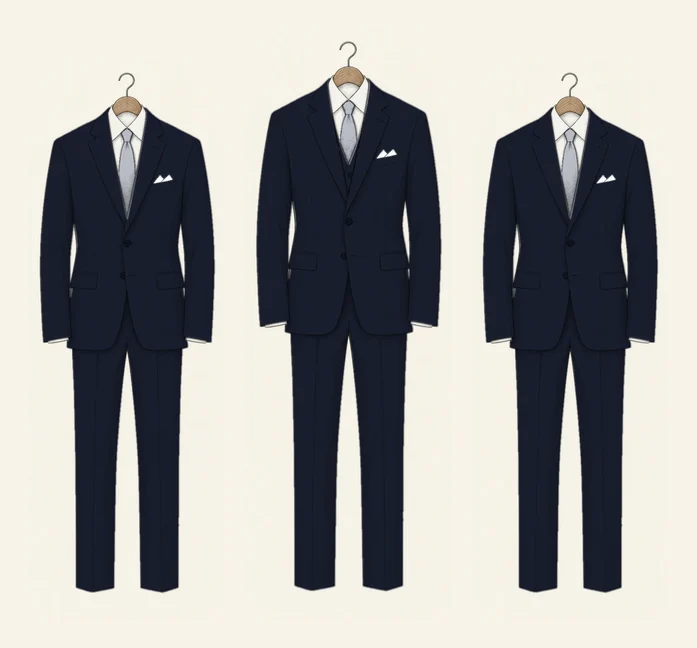
1. A waistcoat
The simplest and the most classic: the groomsmen in two-piece suits, the groom in the same suit with a matching waistcoat. From across the room it reads as a fuller, more finished outfit; up close it is plainly the same cloth. It also keeps him dressed when the jacket comes off at the reception. Three-piece or two-piece covers the rest.
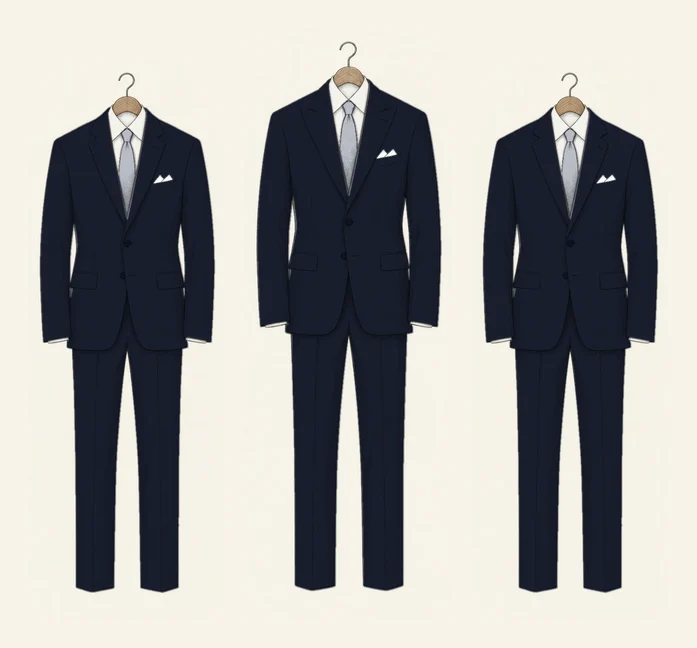
2. Peak lapels
The groomsmen in notch lapels, the groom in peak. The points sweep up toward the shoulders and make the jacket look more formal and a little broader, a difference you notice without being able to name. Notch, peak and shawl draws all three.
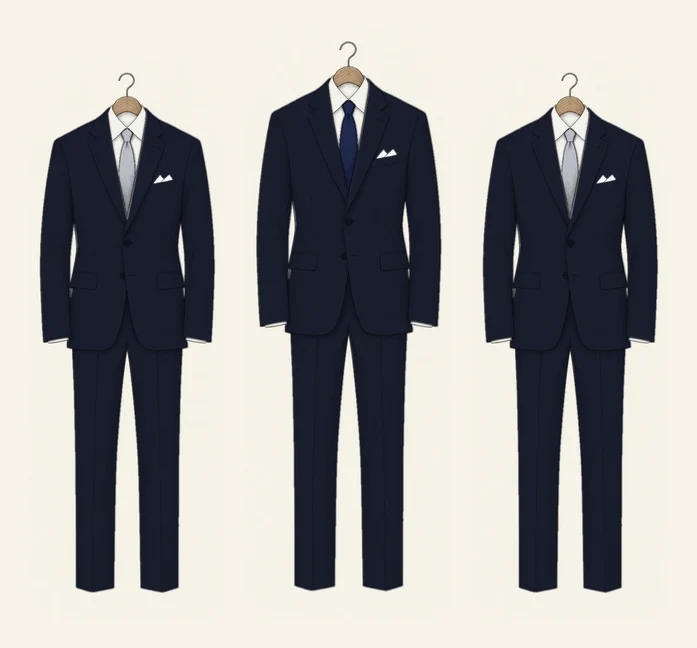
3. His own tie
The groomsmen in one tie, the groom in another: silver for them and navy for him, or the other way round. It is the smallest change and the easiest to coordinate, and it is enough in a small party. In a large one it can get lost.
4. A deeper cloth
The groomsmen in a light grey, the groom in a deeper grey from the same family. The row still reads as one party, but the groom has more weight in the middle of it. It works best with grey, where the shades are easy to tell apart; two navies side by side can just look like a mismatch.
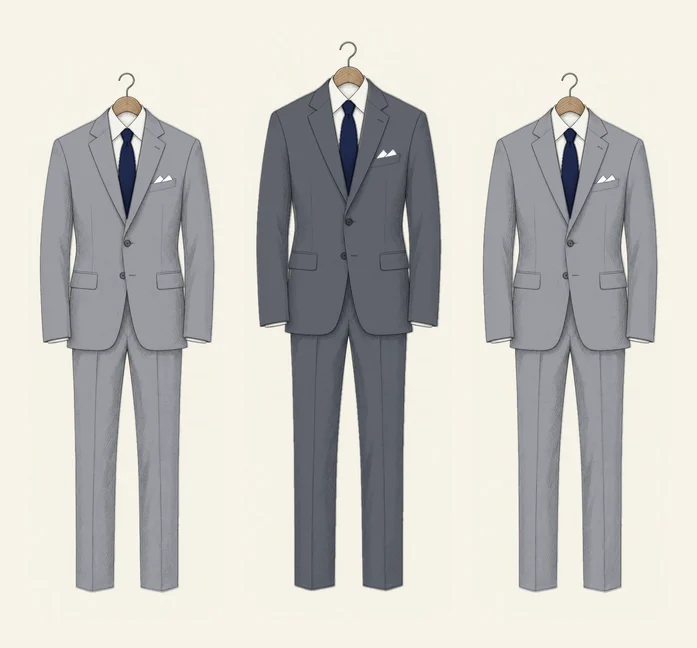
5. Double-breasted
The groom in a double-breasted jacket in the same cloth. It is the boldest of the everyday choices and very striking in the middle of a row of single-breasted jackets, so it suits a groom who wants to be noticed. Double-breasted, drawn explains 6×2 and 4×2.
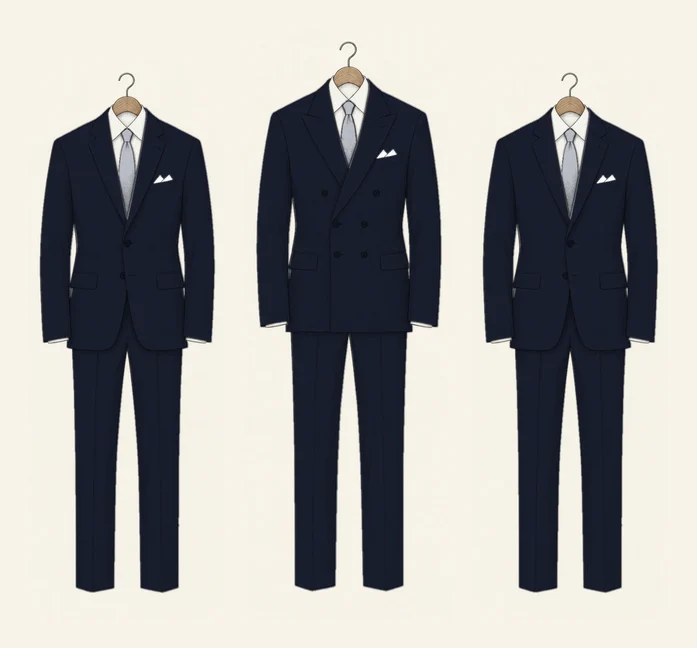
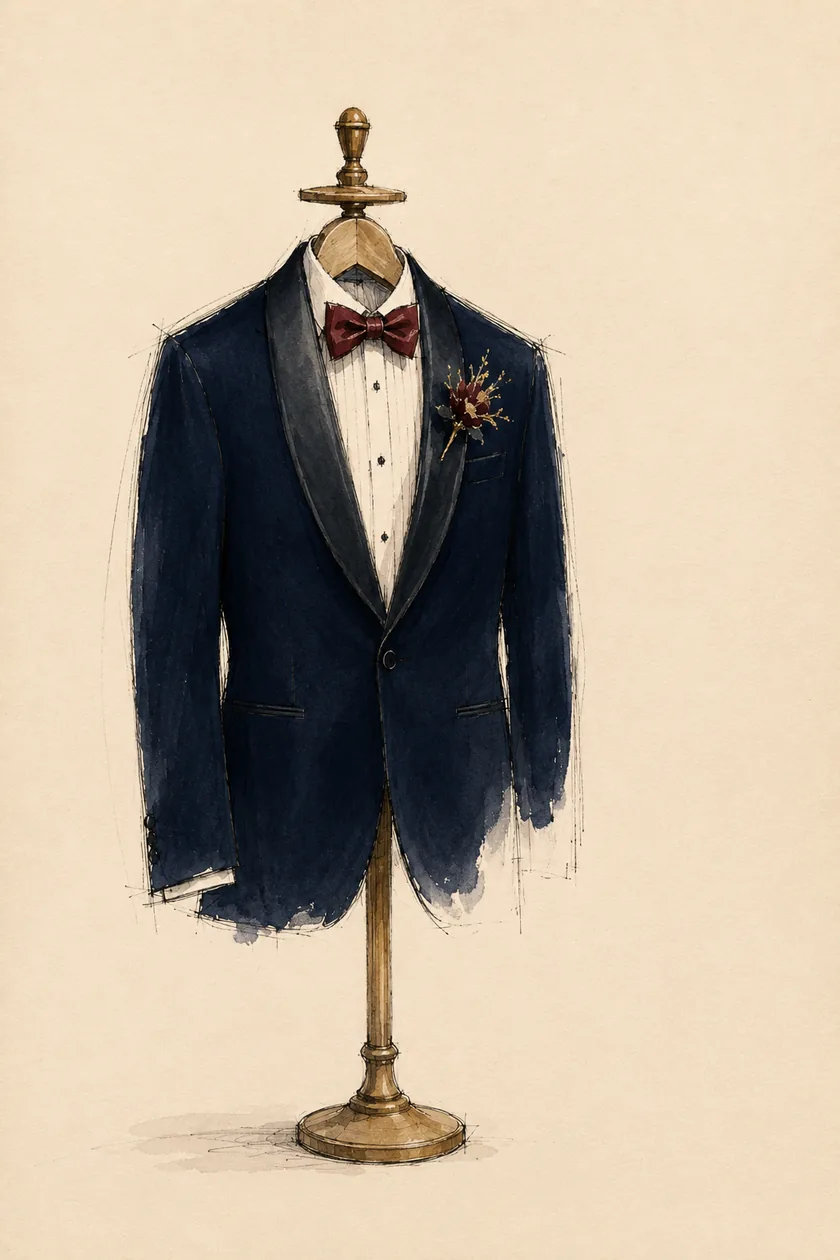
6. In black tie: a shawl collar, or midnight
At a black-tie wedding the whole party is in dinner jackets, so the groom’s difference is in the jacket itself: a shawl collar where the groomsmen wear peak lapels, a midnight blue dinner jacket where they wear black, or both. Midnight reads as black in the evening and richer than black in photographs. The custom tuxedo and black tie, decoded have the rest.
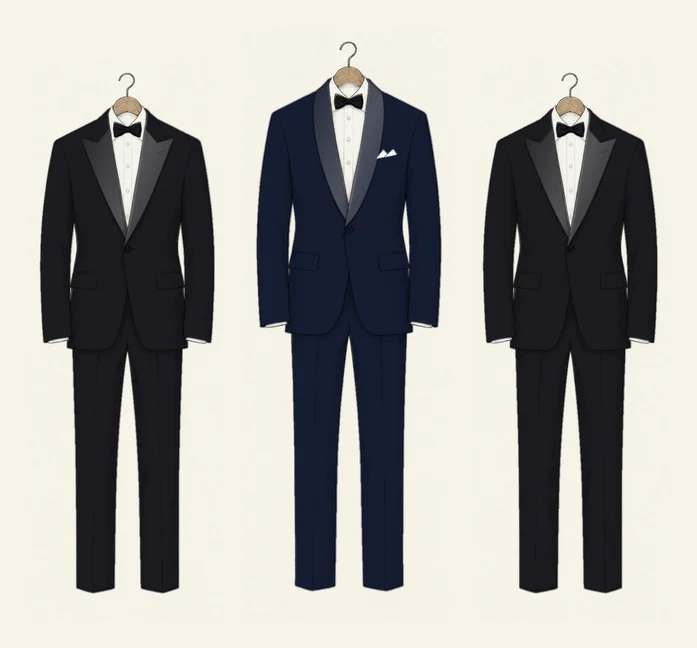
7. Not all of it at once
Every one of these works alone, and most work in pairs: a waistcoat and his own tie, or peak lapels and a deeper cloth. Put five together (double-breasted, a waistcoat, a bow tie, a different cloth, peak lapels) and the groom stops looking like the centre of the party and starts looking like a guest from somewhere else.
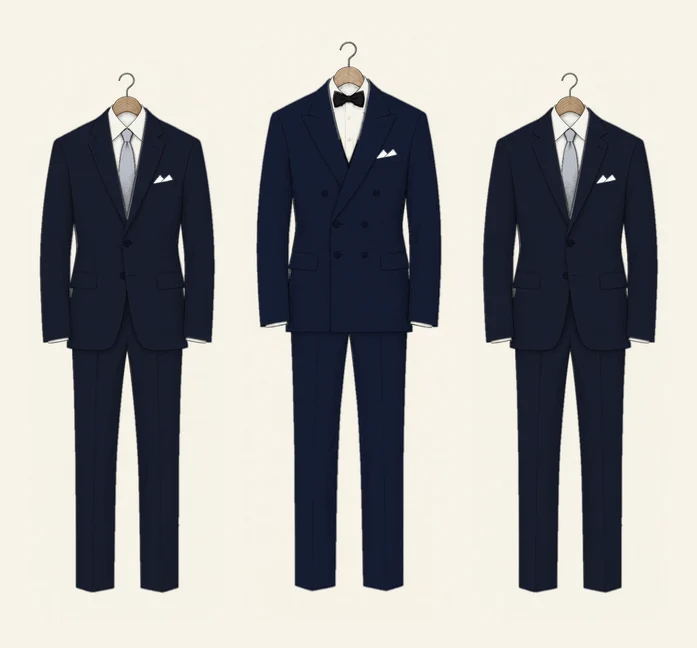
At a glance
| The difference | How strong | Best for |
|---|---|---|
| A waistcoat | Subtle from afar, clear up close | Almost any wedding |
| Peak lapels | Subtle | A groom who likes a sharper line |
| His own tie | Small | Small parties |
| A deeper cloth | Clear | Grey parties |
| Double-breasted | Strong | A groom who wants to be noticed |
| Shawl collar or midnight | Clear | Black tie |
And the fathers
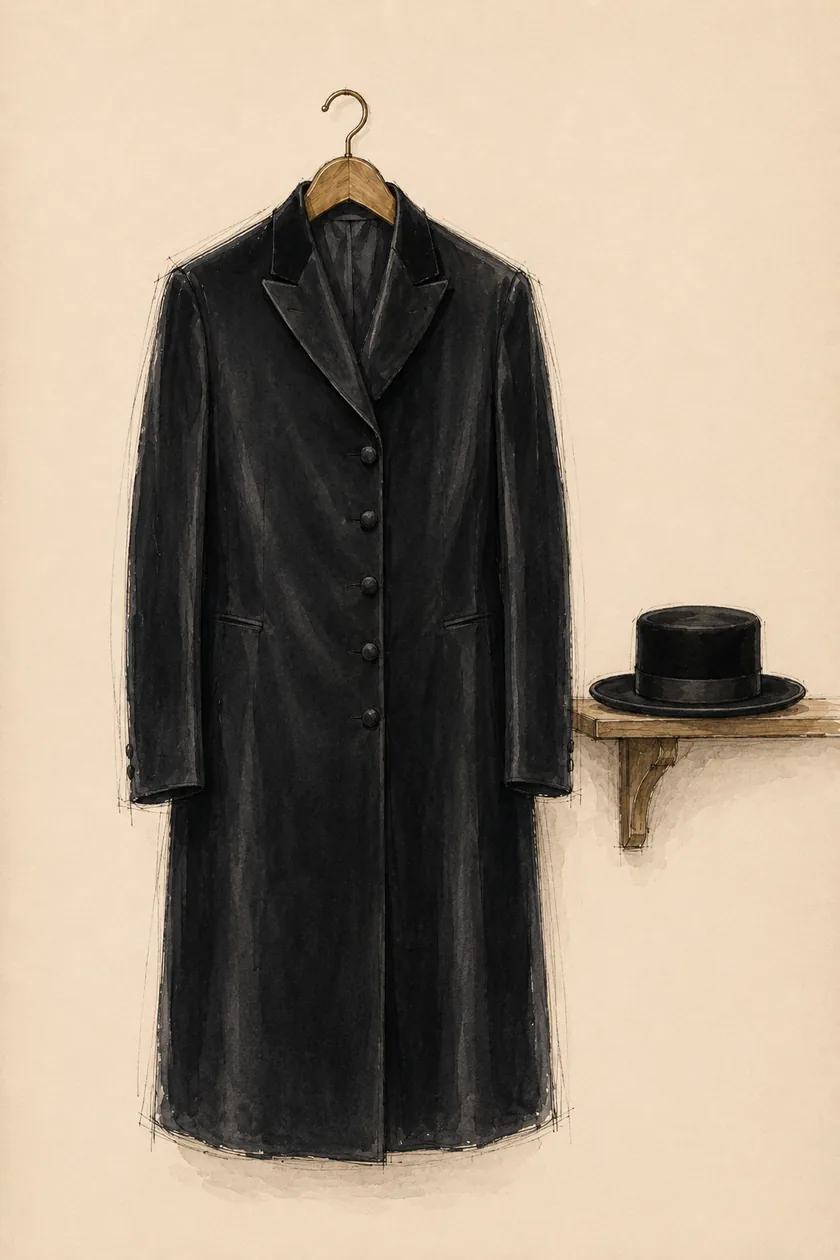
The fathers of the bride and groom are part of the row too, usually at the ends. They look best in their own dark suits, charcoal or navy, in the spirit of the party rather than the same cloth, so they belong without looking like extra groomsmen. Dressing the fathers goes further.
Draw the whole party
On the Wedding Party Board you can put the groom in the middle of his groomsmen and both fathers, try each of these in one tap, and change anything else about any of them. Send the drawing to Sam and the whole party is booked as one: measured at the studio in Vaughan, three to four weeks to make, with one fitting on the finished suit. Two to three months before the wedding is comfortable.