Coordinating groomsmen: the money, the out-of-towners and the fathers
Updated October 2026 · Sam’s Menswear editorial team
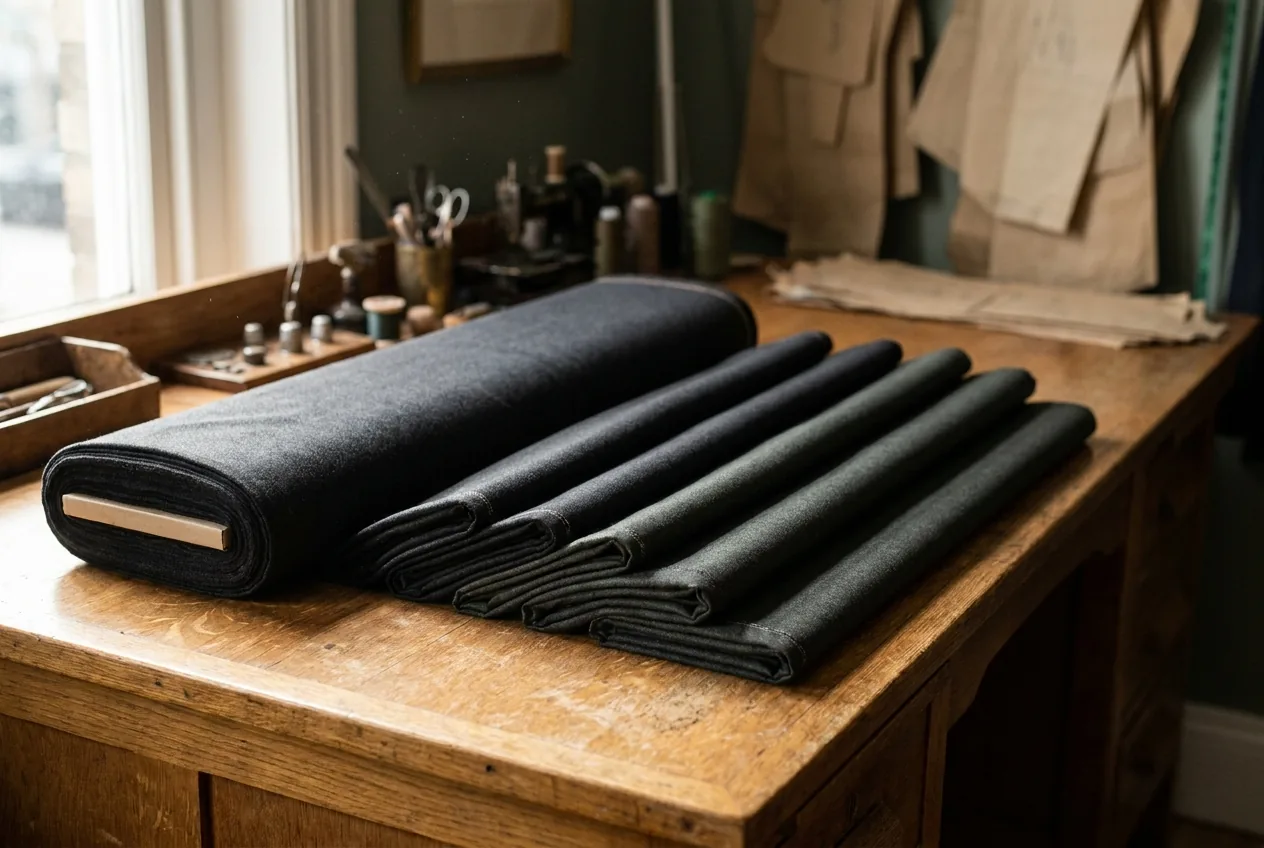
Choosing the colour is the easy part of dressing a wedding party. What goes wrong is the money nobody mentioned, the groomsman in Calgary who was going to “get measured at some point”, and a father who would rather not be told what to wear. The largest party Sam has dressed was 38 men, and the method is the same at five: settle those three things early.
Who pays for the groomsmen’s suits?
In North America the custom is that each groomsman pays for his own suit; in the UK it is more often the couple. Neither is a rule, and plenty of couples cover part of it, or quietly cover the brother who is between jobs.
What causes trouble is vagueness. A man who hears the cost three weeks after agreeing to stand up for you feels ambushed, even if the number is fair. So put it in the first message, before anyone is measured:
- What each man is paying for: the suit only, or the shirt and tie as well.
- That every man gets his own price before anything is cut, so nobody is guessing.
- How it is paid. Each man pays half when he orders and half when he picks his suit up, so nobody fronts money for anybody else.
If one of your men is stretched, give him a way to say so in private. What it actually costs to be a groomsman has the full bill he is looking at, and the wording for that conversation.
How do we get the out-of-town groomsmen measured?
Measure them first. Often the man who holds everyone up is a single groomsman, the one who lives furthest away and assumes he will be in town “anyway”. Three ways to do it, best first:
- He is in the GTA before the order date. That visit is his appointment. Book it now, for a Sunday or a weekday evening (the studio is closed on Shabbos), or Sam can come to the home he is staying in, on request.
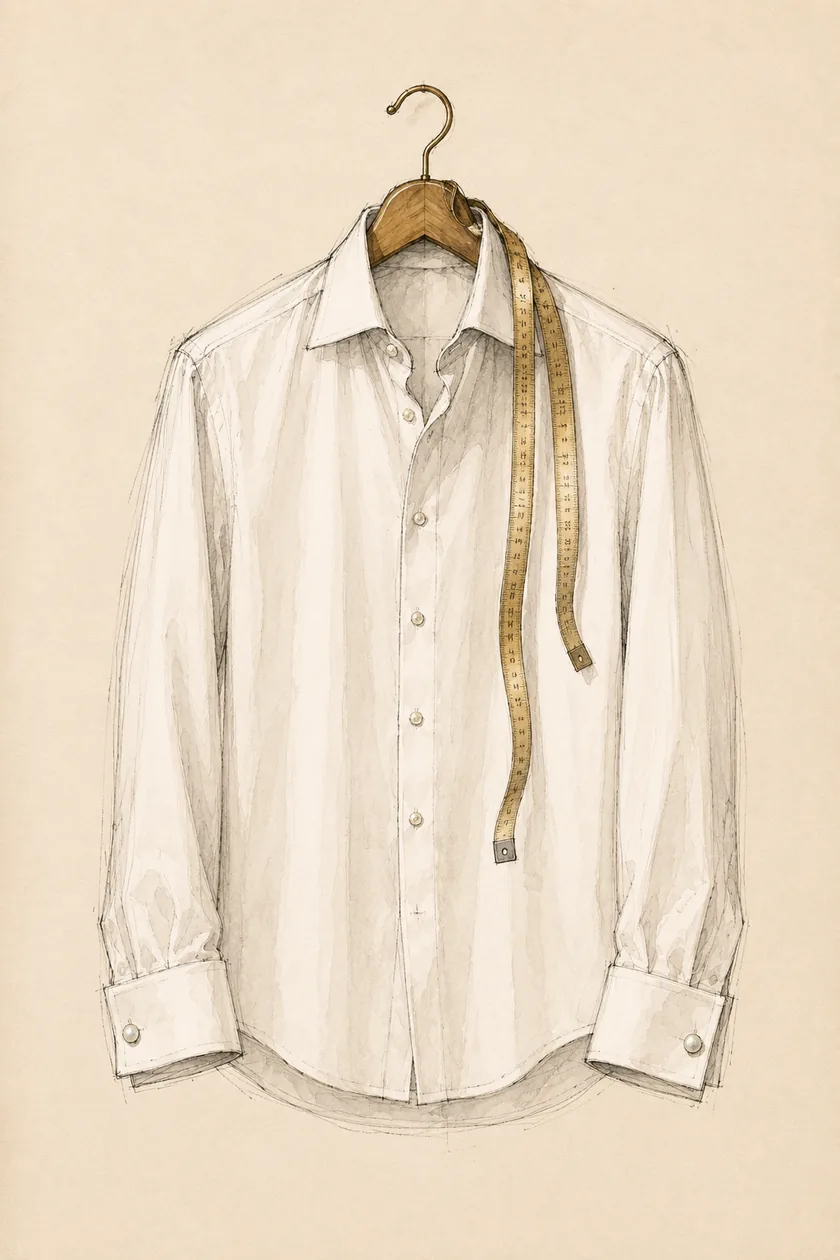
- A tailor near him measures him to Sam’s sheet. Ask Sam for the measurement sheet when you book, and send it to every man outside the GTA.
- A video call. It is possible. Sam can see how he stands and talk someone through the tape. It is the weakest of the three, and Sam will say so.
The sheet matters more than people expect, because a measurement is only useful if it was taken the way the person reading it expects. “Chest 42” from a shop that sells finished suits may be a jacket size, and “take in the chest an inch and a quarter” is an instruction for one particular jacket. The sheet says which body measurements are needed and where each is taken. Ask the local tailor to measure him rather than a jacket he owns, and to write the numbers exactly instead of rounding to a size. If a number looks odd against the others, have it taken again before anything is cut; a common story from men who ordered on numbers taken at home is a suit that arrived inches out at the chest and stomach.
Then plan his fitting. Every suit gets one fitting on the finished garment, and his happens when he flies in. If he lands the night before the rehearsal dinner, there is time for a press and nothing else, so ask him to arrive early enough for the fitting and whatever adjustment it finds. Alterations after delivery are part of the order, but they still take time, and the morning of a wedding has none.
Do the suits need to match exactly?
Matching and coordinating both work. Matching means one cloth for everybody; coordinating means one colour family, with each man in his own shade or cut. Groomsmen suit colours draws six parties both ways, and the groom’s own difference (often a waistcoat or a deeper cloth) is drawn in seven ways to set him apart.
If you are matching, there is a practical reason to order everyone at once. Cloth is woven and dyed in batches, and the same navy from two different pieces can differ by a shade. Nobody notices on a hanger; in a lineup photograph with a flash, you can. Cloth also sells out, and the groomsman who orders six weeks after everyone else can find the bolt gone. One order date for the whole party avoids both.
Should the fathers match the groomsmen?
They don’t have to, and most look better when they don’t quite. A reliable rule is a shade lighter or darker than the groomsmen, in the same family: charcoal fathers beside mid-grey groomsmen, or a deeper navy beside a brighter one. Give each father his own tie. If the family wants one look in the photographs, the same suit with a different tie does it.
Fathers are often the hardest men in the party to fit and the least keen on being told what to wear. Bring both to the same session as the groom if you can, so the colour is settled in the room rather than over the phone. Dress the dads without the family drama covers the rest.
What timeline survives the slowest man?
Start two to three months out; each suit takes three to four weeks, and the rest is room for a busy, scattered party. The full wedding timeline has the detail. For a group:
- One order date for everybody, written in the first message. Treat it as the deadline, because it is.
- Winter is slower. Orders placed from 20 November through February take about three weeks longer, and no rush is possible then.
- A rush is about twelve days, only if the cloth is in stock, and on a whole party it is a far bigger ask than on one suit.
- A shared list: each man’s name, where and when he was measured, deposit paid, fitting booked. It is dull, and it is what tells you in week three that one man still hasn’t been measured.
- Renting for some of the men? The honest comparison includes where hiring wins.
This week, send the groomsmen one message with four things in it: the cloth, the order date, who pays for what, and Sam’s sheet for anyone outside the GTA. Then book the party appointment for everyone who can be in the room; the fitting party explains how to run that afternoon, and whether Sam comes to you covers the men who would rather be seen at the office or at home.