Peaky Blinders: how to wear Tommy Shelby's three-piece without the costume
Updated October 2026 · Sam’s Menswear editorial team
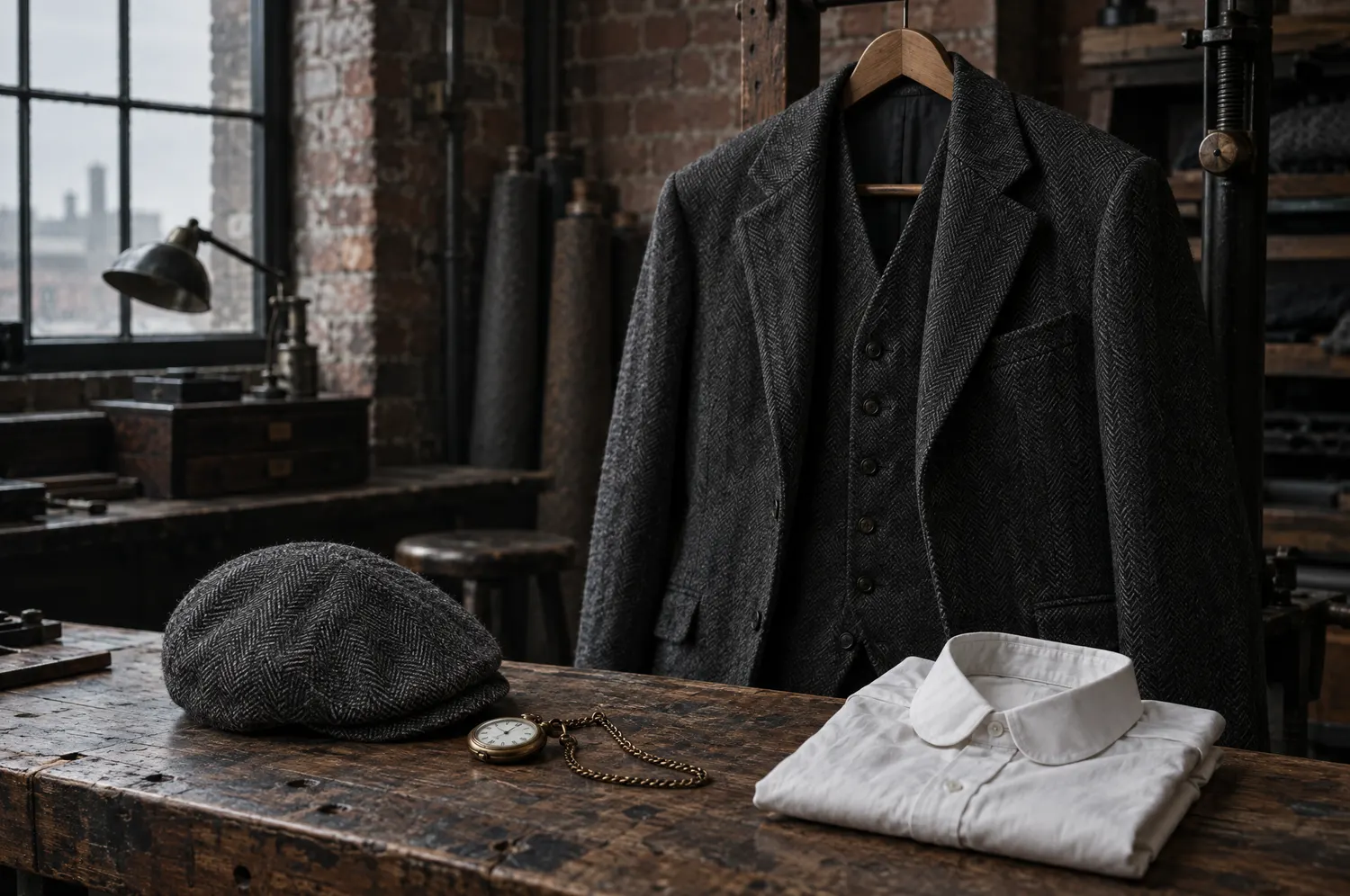
Few television shows have sent as many men to a tailor with a photo on their phone as Peaky Blinders. Cillian Murphy’s Tommy Shelby turned the tweed three-piece, the collar buttoned to the throat and the flat cap into a look that has outlived the show.
The question behind most of those photos is one fans ask each other: if you had the money, would you really wear this on an ordinary day, or is it a costume? It depends on how many of the pieces you take. One or two of them read as a man who likes good cloth. All of them read as a party.
What is Tommy Shelby actually wearing?
The costume designer for the first series was Stephanie Collie, and the suits were made by a tailor named Keith Watson. The main suit, as BAMF Style catalogues it:
- Cloth: grey herringbone tweed with a darker stripe. He also wears a charcoal herringbone.
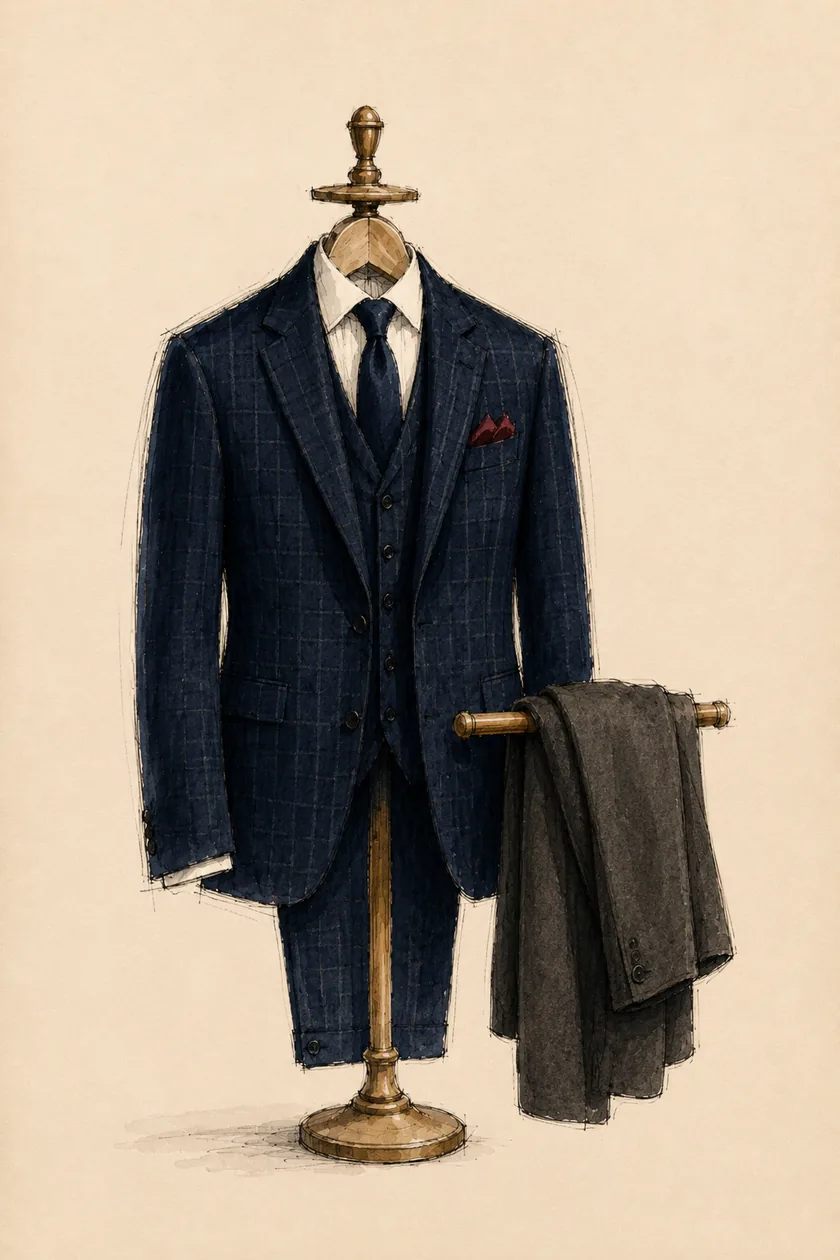
- Jacket: single-breasted, notch lapels rolling over the top button so two buttons show, straight shoulders, a shallow chest, a pulled-in waist, no vent, flapped hip pockets.
- Waistcoat: six buttons with small shawl lapels, the lowest button left open, a pocket watch on a chain through the third buttonhole.
- Trousers: high-rise, flat front, straight leg, held up by braces, hemmed short.
- Shirt: usually striped, with a stiff white detachable club collar fixed by a gold stud. No tie in the first series, which Collie chose deliberately.
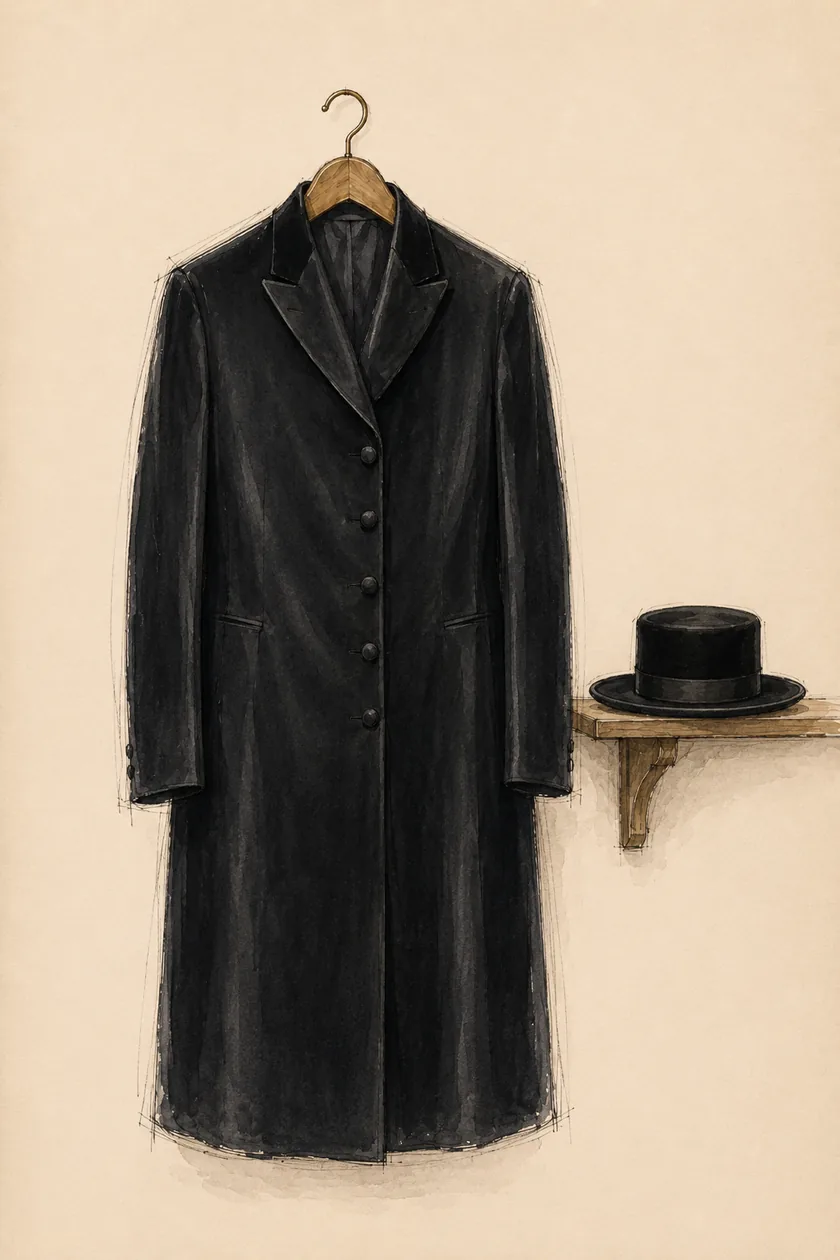
- Over it all: a long black herringbone overcoat and the tweed cap.
Which parts make it look like a costume?
The cap does most of the damage. A flat cap with a full three-piece tells everyone what you watched last weekend. After that come the period props: the watch chain, the detachable collar on its stud, the arm garters. Stacked together they become a costume, because nobody in 2026 wears all of them for any other reason.
So decide how far you are going before you order:
| How far | What you wear | Where it works |
|---|---|---|
| A suit | Charcoal or grey herringbone three-piece, white shirt, plain dark tie | The office, a winter wedding, a funeral |
| A nod | The same suit with a rounded club collar on an ordinary shirt, no tie or a dark knitted one | Dinners, parties, a wedding as a guest |
| The full look | Add the cap, the watch chain, the overcoat and the stud collar | A themed party, and everyone knows it |
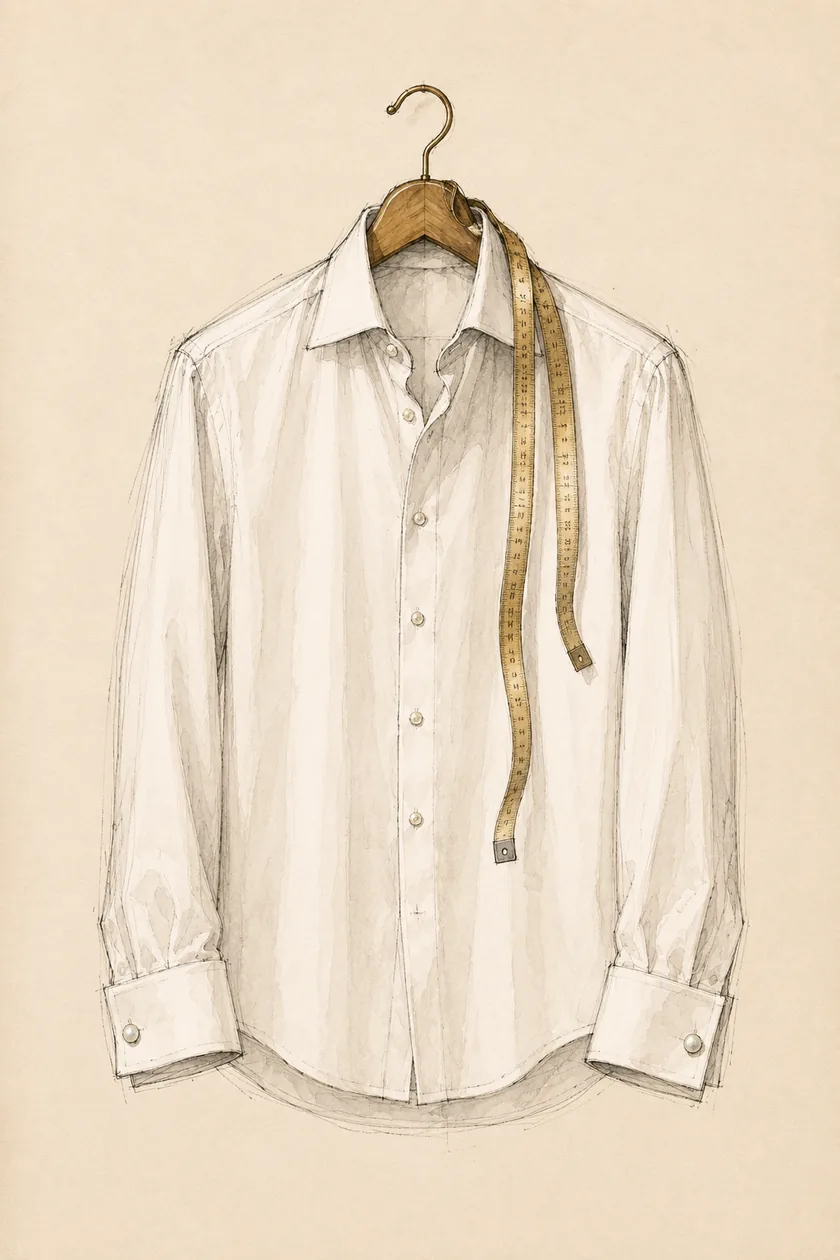
The club collar is the cleverest part to borrow. A rounded collar is unusual now and looks deliberate with or without a tie; shirt collar types shows how collar shape changes a face.
How should it fit on a modern body?
The look depends on the cut far more than on the herringbone, and most copies miss the cut.
The trousers sit high. Tommy’s trousers come up to the waist on braces, which is what lets the waistcoat close over the waistband. Put a waistcoat over low-rise trousers and a strip of shirt, or a belt buckle, shows between them every time you move. That gap is the giveaway of a costume-shop three-piece. If you want the waistcoat, you want the rise, and braces hang a high trouser better than a belt does; belt or braces explains why.
The jacket is close but not small. A shallow chest, a drawn-in waist, armholes high enough that the jacket stays put when you lift your arms. Close is different from tight: if the button pulls, the chevrons of the herringbone bend across the front and show it.
The trousers are short. Hemmed to rest on the shoe with little or no break.
On a bigger frame, change the cloth before the cut. Heavy tweed adds visual bulk. If you are broad, the same herringbone in flannel gives you the look with a flatter surface. Sam’s library has herringbone flannels in charcoal, grey, navy, brown and midnight alongside the heavier tweeds, so you can see both side by side.
Can I wear it to a funeral or a wedding?
A common reason men ask for this look has nothing to do with television: a grandfather who dressed like that, and a funeral where they want to honour him. A charcoal herringbone three-piece with a white shirt and a black or dark tie is respectful, and nobody in the room will think of a TV show. Leave the cap at home.
The honest catch is time. A funeral is usually days away, and a new suit takes three to four weeks, or about twelve days at the very fastest when it is urgent and the cloth is in. A few days out, nothing new can be made. What Sam can do is alter or press a suit you already own, whoever made it, and tell you once he has seen it what can be done before the day; alterations covers what is possible.
At a wedding, the herringbone three-piece is a good guest suit for the colder months. As the groom, it suits a winter wedding with a relaxed dress code, and three-piece or two-piece covers when the waistcoat earns its place.
When does tweed make sense in Toronto?
October to March. A tweed of about 13 oz is warm and shrugs off wind and wet snow; in July it is unbearable. Fabric for a Toronto winter covers the weights. Tommy’s long dark overcoat is the most wearable piece of the whole costume, and a coat over a suit covers how long to cut one over a three-piece.
Getting it made
Sam makes three-piece suits in herringbone to your measurements, taken at the Vaughan studio or at your office or home on request, in three to four weeks with one fitting on the finished suit. Orders placed between November 20 and the end of February take about three weeks longer, so a suit for this winter is best ordered now. Sketch Tommy’s charcoal herringbone three-piece with the collar open: draw the Shelby suit. The sketch draws a five-button waistcoat; ask for six at the first appointment, with the small shawl lapels if you want Tommy’s, and ask about the club collar for the shirt with custom shirts.
Where the details come from: BAMF Style on the grey striped herringbone and on the charcoal herringbone.