Why one bekishe is not another: reading the coat by chassidus
Updated August 2026 · Sam’s Menswear editorial team
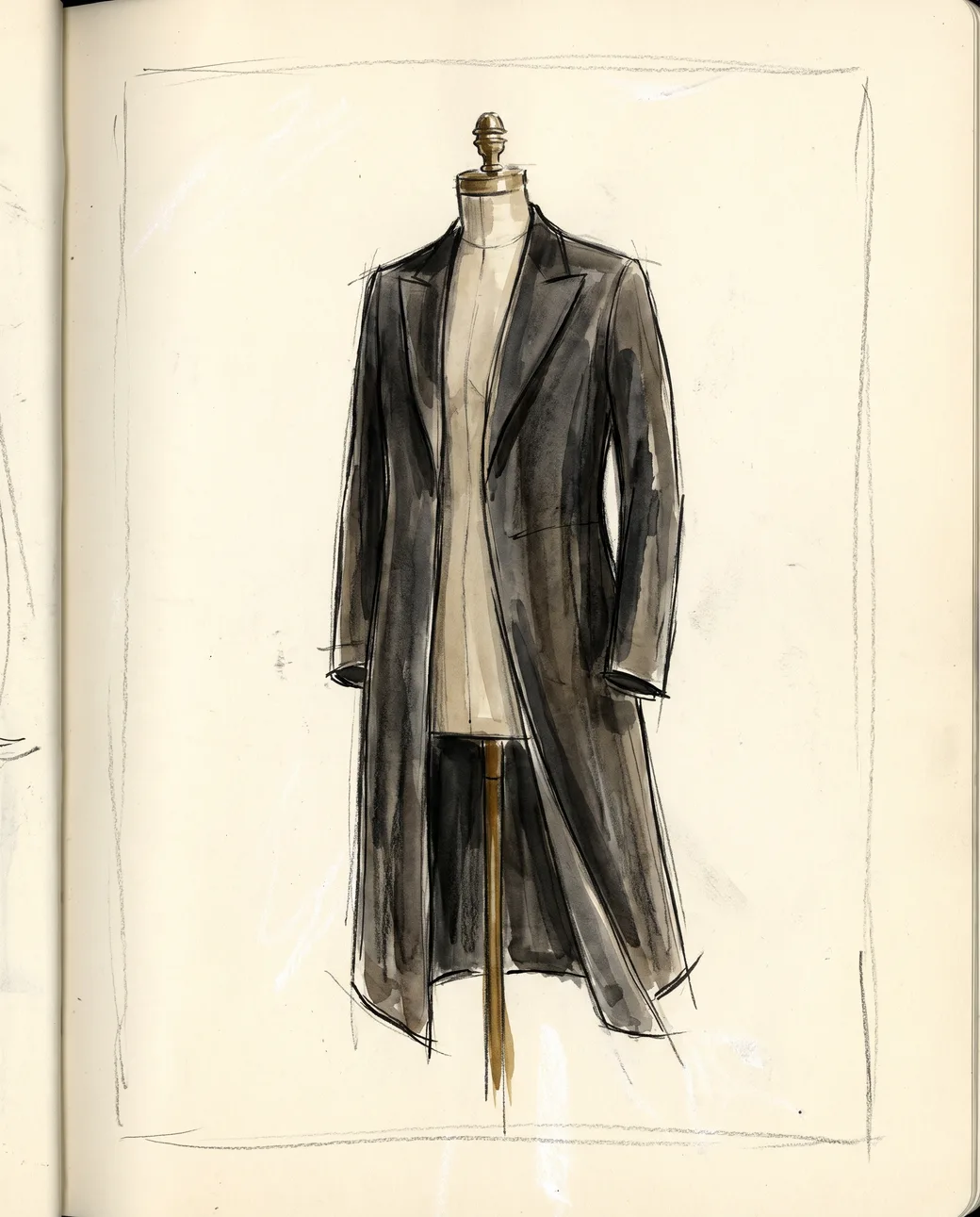
Hang six bekishes on one rail and a stranger sees six black coats. Sam has spent thirty years on the other side of that rail, and what he sees is six different sets of instructions.
Before any of it: this page describes tendencies, not rules. Bekishe custom varies by community, by branch within a community, by family, by what the man’s father wore, and by which macher his community uses — and the macher’s own hand is often the real signature. Two men from the same chassidus can own coats that differ in ways that matter to them and are invisible to everyone else. Nobody at a bench in Vaughan is in a position to rule on minhag, and this page does not try to. What follows is what a tailor notices, offered so you know what to look at and what to ask.
The five things that actually differ
Almost every distinction comes down to one of five variables. Learn these and you can read most of what you see, without needing a chart.
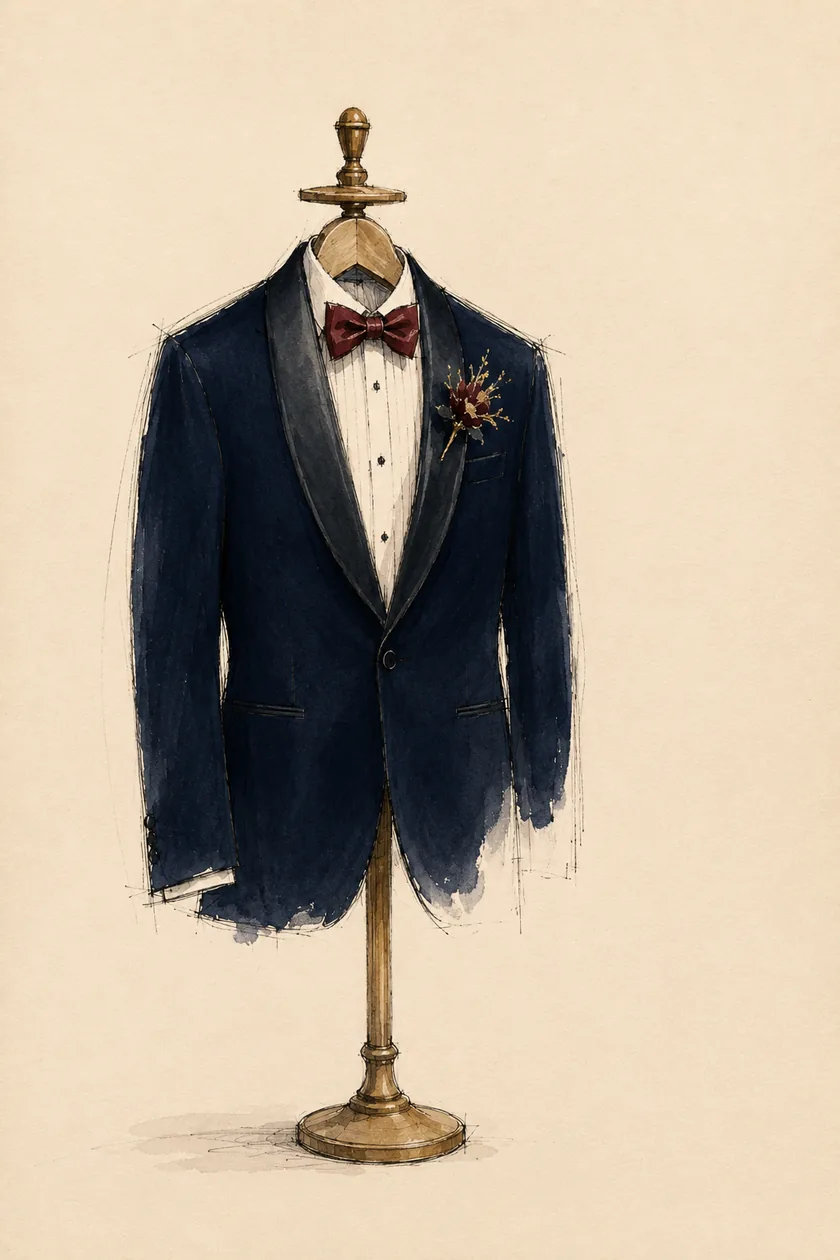
Colour. Plain black is the widest default by a distance. Some communities carry coloured or figured cloth on the rebbe’s tish bekishe — blue, silver, wine against black — and in some places that is the rebbe’s alone rather than anything a chossid would wear.
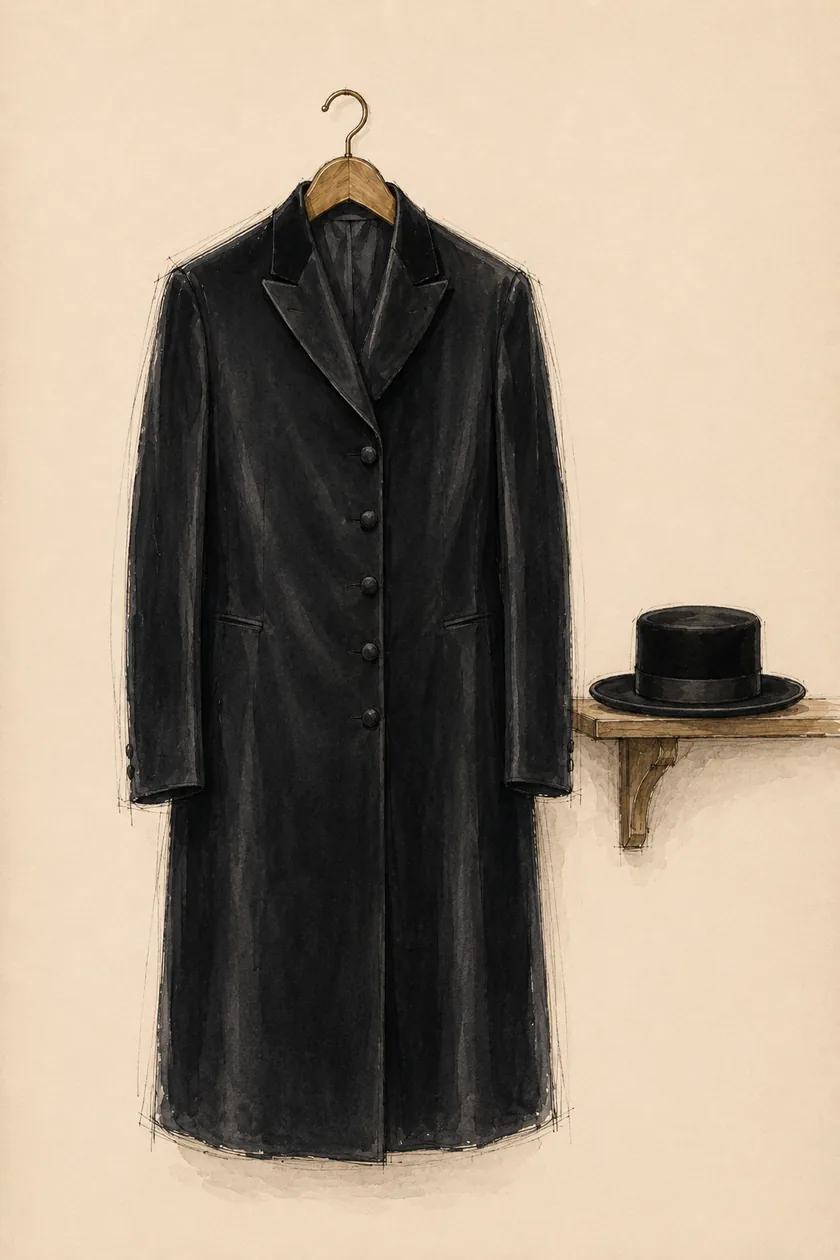
The cloth and its finish. A dead-matte black reads very differently from a silk or silk-blend with a visible sheen. Some communities favour a completely flat, unadorned surface; others accept or expect lustre. This is the single most visible difference from across a room, and it is often the first thing a man specifies.
Ornament. Woven figure in the cloth, velvet facings, corded or braided trim down the front edge or on the cuff. Present in some traditions, deliberately absent in others, and a matter of some seriousness either way.
Button count and placement. Coats in this family carry different numbers of front buttons, and the count is not decoration — it is often the tell that identifies the garment. It is also the detail most often got wrong by a maker working from a photograph.
The cut itself. Length, the depth of the skirt, how much shape sits at the waist, whether there is a back vent or slit and how it is finished. A Chabad kapoteh, for instance, is generally not called a bekishe at all and is cut to its own pattern.
Why the pattern runs by lineage
The useful organising idea is not a list of chassidus names. It is where the tradition came from.
Communities of Hungarian and Galician lineage — the courts that came out of what is now western Ukraine, Romania and Hungary — tend, broadly, toward the more visibly worked coat. Sheen in the cloth, figure in the weave, trim on the rebbeishe garments. Not universally, and the plainest coat in that world is still very plain, but the tendency is real.
Communities of Polish lineage tend toward the plainer end: black, unadorned, the interest carried by the cut and the quality of the cloth rather than by anything applied to it.
Yerushalmi communities are a separate case, and the one most often misread from outside. The gold-and-blue striped kaftan associated with several Jerusalem-centred communities is not a bekishe. It is its own garment with its own customs about who wears it and from when — in many of those communities, after marriage. Calling it a bekishe is the most common outsider mistake, and it is worth not making in front of someone it belongs to.
Reason from lineage and you will be right more often than you will be wrong. Reason from a chart and you will eventually be confidently wrong in front of somebody who knows better.
What this means when a coat is being made
Practically, at the bench, it comes to this.
Bring the coat you are replacing. A garment says in ten seconds what a conversation takes twenty minutes to approximate, and it settles the button count, the trim, the length and the finish without anyone having to describe them. This is the single most useful thing a man can do.
Name the community, and name the macher if there is one. Many communities have a maker whose hand is the reference. Sam would rather work to that reference than to a general idea of what the coat should be.
Say what the coat is for. A tish bekishe and a Shabbos bekishe are not necessarily the same garment, and neither is necessarily what a man wears to a weekday chasunah.
Ask if you are unsure. Nobody is judged for checking. The men who arrive certain and wrong are more trouble than the men who arrive asking, and Sam would far rather say “let me check that with someone who knows” than guess and cut.
You can draw one common version of each coat before you come in, and then bring the details that make it yours. Bekishes and kapotas are made bespoke here rather than made-to-measure, which is exactly because of everything above — there is no house pattern that suits every community, so each one is drafted to its own.
Where this sits with the rest
If you are working out which garment you actually need, kapota, rekel and frock have their own plain guide, and the bekishe’s own fabric, cut and care are here. For how the whole wardrobe fits together across a year, the traditional wardrobe and building a Shabbos wardrobe cover the rest.
A closing word on getting it right
Sam has made these garments for the community for thirty years, and the thing he says most often about them is that he asks. He asks which community, he asks what the father wore, he asks whether there is a macher whose work is the standard, and he asks to see the old coat.
That is not a lack of confidence. It is the only way a garment this specific gets made correctly, and it is why this page describes what varies rather than telling you what your community does. Your community already knows what it does. Bring that to the bench and it will be made to it.