Tech & startups: how founders really dress now
Updated July 2026 · Sam’s Menswear editorial team
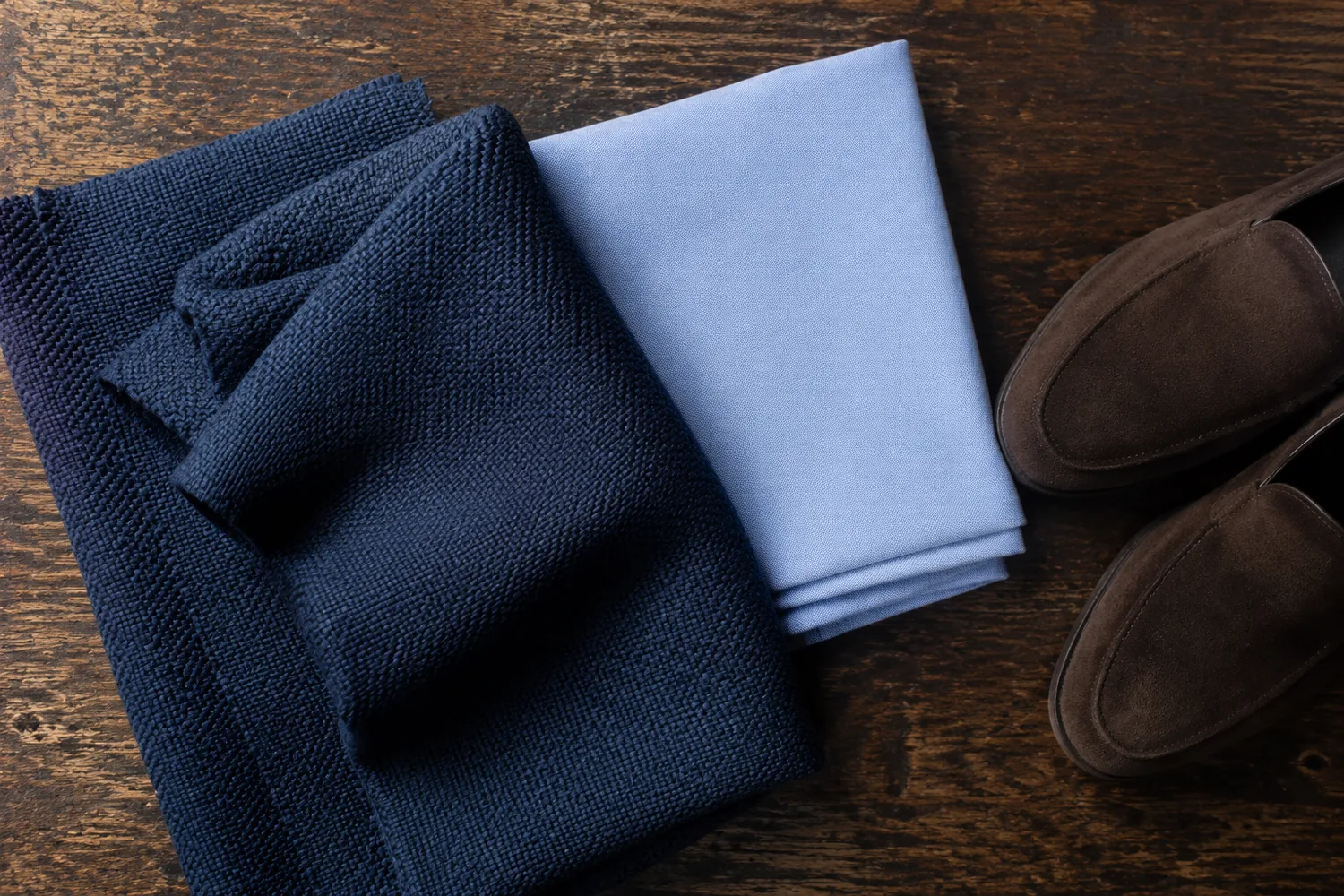
Founders don’t have to choose between the hoodie and the boardroom suit. The move now is intentional smart-casual that reads as competent without looking like you’re playing dress-up. Dress for the room you’re walking into, keep the fit sharp, and let the clothes get out of the way so the product does the talking.
Do founders still wear hoodies to pitch investors?
Some do, but the hoodie stopped being a flex a while ago. It’s neutral at best and lazy at worst. Investors have seen the uniform a thousand times, and a wrinkled zip-up no longer signals “genius.” It signals you didn’t think about the meeting.
The founders raising serious money now dress with intention. Not corporate, not costume: considered. A well-fit knit, a clean overshirt, a blazer that actually fits. The hoodie myth was that dressing down proved you were focused on the work. In 2026 it mostly proves you weren’t focused on the person across the table.
You don’t need a full suit. You need to look like someone who makes good decisions, because that’s exactly what an investor is betting on.
What should a founder actually wear to a VC meeting?
Smart casual that fits. A blazer over a crisp shirt or fine-gauge knit, dark denim or chinos, clean leather shoes. That’s the safe, credible baseline for almost any raise.
The trap founders fall into is both extremes. Overdress and you look like you’re trying too hard, which reads as desperate. Underdress and you look like you don’t respect the room. The sweet spot is clothes that are obviously deliberate but never loud.
A few combinations that always work:
- Unstructured navy blazer, white or pale-blue shirt, dark jeans, brown leather shoes
- Fine merino knit, tailored chinos, clean minimalist sneakers or loafers
- A soft, half-lined jacket you can wear over a tee for a demo and dress up with a shirt for the boardroom
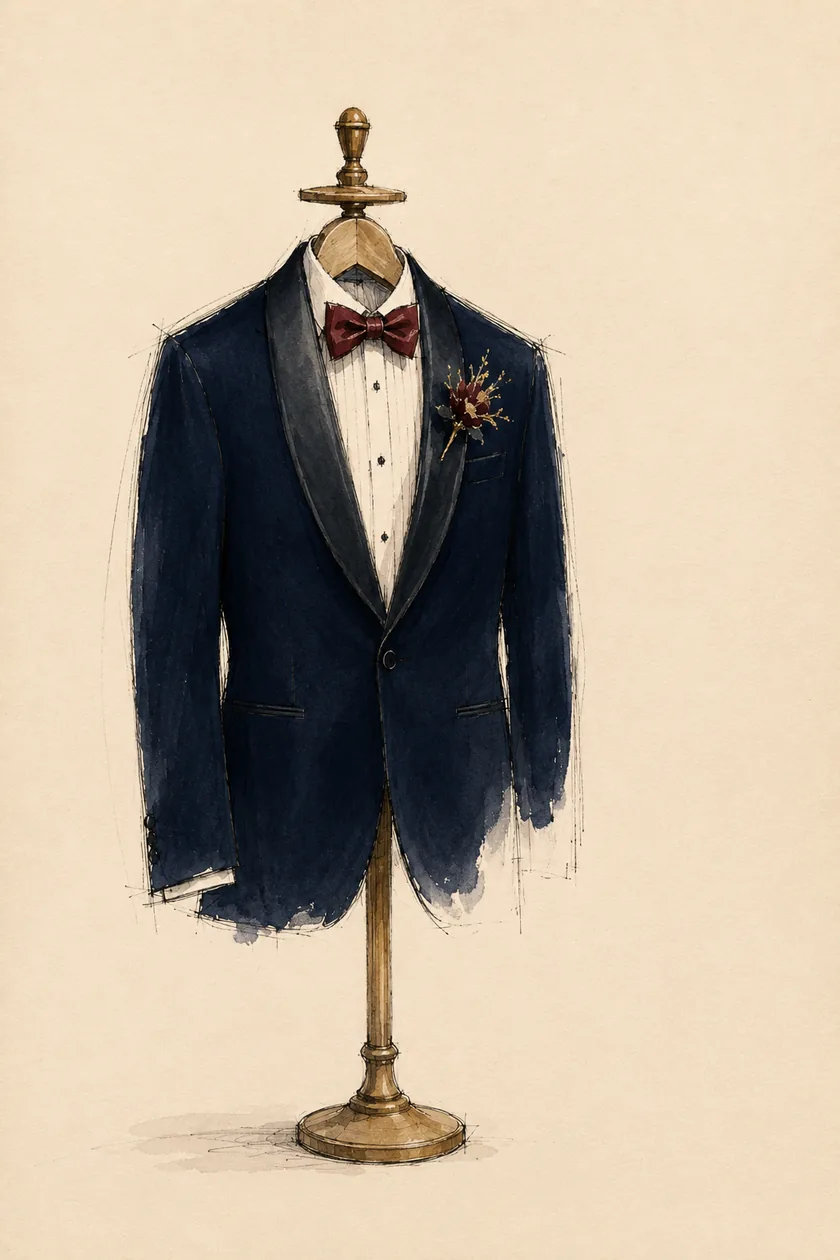
The unstructured, softer jacket is the founder’s best friend: it reads sharp without the stiff, banker feeling of a fully canvassed suit. That’s exactly the kind of piece we build on the design side.
How does dressing “for the room” change what I wear?
Match the room you’re selling into, not the founder stereotype. Consumer app? Relaxed and clean. Enterprise or fintech selling to banks? You go closer to a suit, because you dress to look like your customer.
This is the single most useful rule. Ask one question: who’s on the other side of the table, and what do they wear? A young game developer in a three-piece suit isn’t credible. A founder selling compliance software to a bank in a faded tee isn’t either.
- Consumer / creative / early-stage: knit or shirt, blazer optional, sharp fit
- B2B SaaS / growth-stage: blazer + shirt, no tie, dark trousers
- Fintech / enterprise / regulated: a proper suit, maybe no tie; you’re mirroring your buyer
If you sell to serious institutions, a well-cut suit isn’t old-fashioned; it’s fluency in your customer’s language. More on that in dressing for finance.
What raises credibility when you’re raising money?
Fit, above everything. A modest jacket that fits your shoulders beats an expensive one that doesn’t. Investors read “put-together” in half a second, and fit is what they’re actually reading.
There’s also a real effect on you. Clothes that signal competence to the room tend to signal it back to you: you stand a little straighter, you feel like the person who belongs there. That confidence is worth more in a pitch than any lapel detail.
What actually moves the needle:
- Shoulders and sleeve length: the two things a tailor fixes that off-the-rack gets wrong
- A clean, simple palette: navy, grey, white, denim; nothing to distract from your face and your numbers
- One quality piece worn repeatedly: founders don’t need a wardrobe, they need two or three things that work
Get the fit right and you can wear the same jacket to a board meeting, a raise, and a conference and look sharp at every one.
Do I need a suit at all as a tech founder?
Not always, but you need at least one that fits, ready to go. The moment will come: a bank, a big enterprise close, a press day, a keynote. Scrambling for a rental the night before is a bad look.
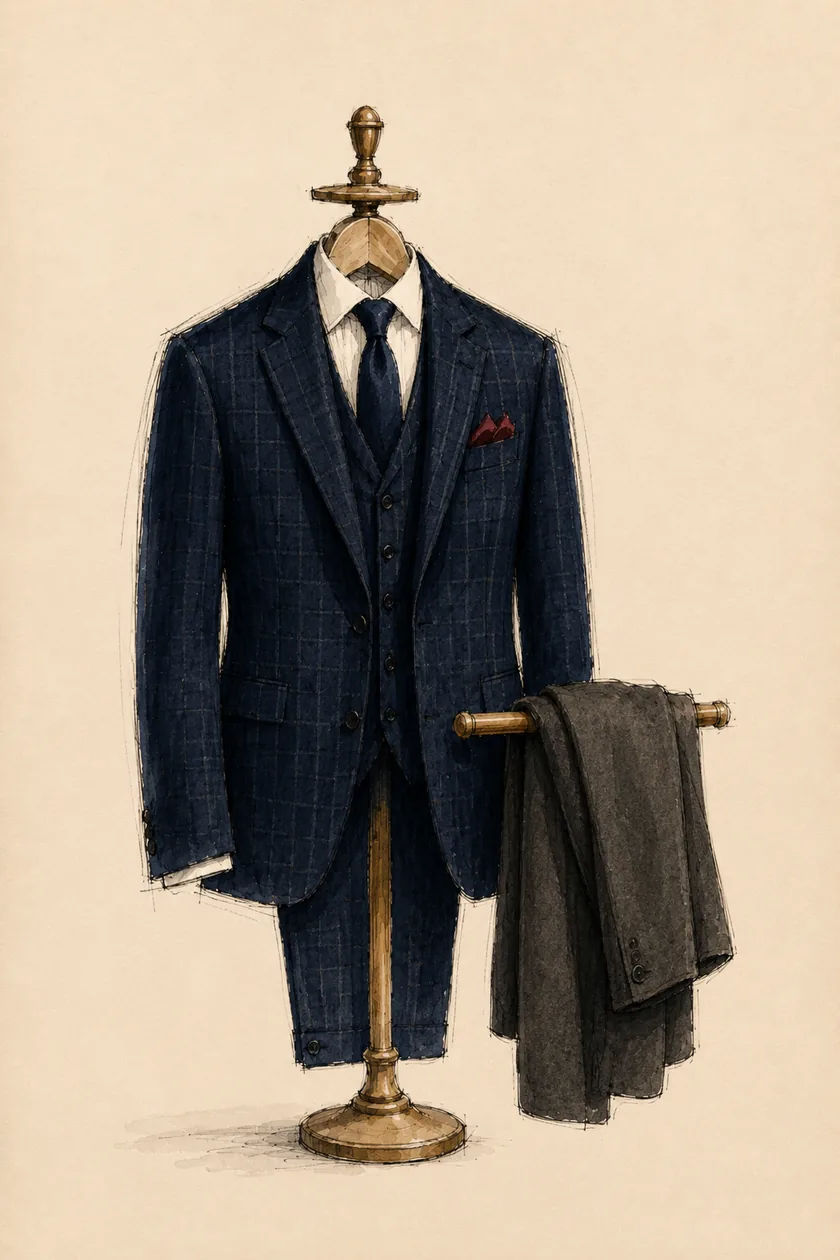
Think of it as insurance. One navy suit, properly built, covers the raise, the wedding you’re invited to, and the day your startup gets acquired. It’s the most versatile thing a founder can own. See the navy suit for why it’s the one to start with.
For everything else, the daily driver, a blazer and good trousers do the work. You’re building a small, deliberate rotation, not a closet full of suits.
How do I build a founder wardrobe without overthinking it?
Start with three pieces: one great blazer, one suit that fits, and two or three shirts or knits in a tight color range. That covers 95% of what a founder faces.
The goal is to stop thinking about clothes entirely. When your rotation is dialed in, you get dressed in thirty seconds and never wonder if you’re dressed right for the room. That’s the actual luxury: decision-free mornings and quiet confidence.
We build this the way Sam’s has done it for thirty-plus years across the GTA (Toronto, Thornhill, Vaughan, Richmond Hill, Markham): measure you properly, choose fabric that travels and photographs well, and cut pieces that mix and match. That’s the whole profession-dressing philosophy: the clothes serve the work, never the other way around. If you want the founder’s starter version, dressing for entrepreneurs walks through it.
If you’re between raises, launches, or just tired of guessing every morning, come sit down and we’ll figure out the two or three pieces that actually earn their place in your rotation. Book an appointment or start designing your suit whenever you’re ready.