The navy suit: why it beats black as the one suit you own
Updated October 2026 · Sam’s Menswear editorial team
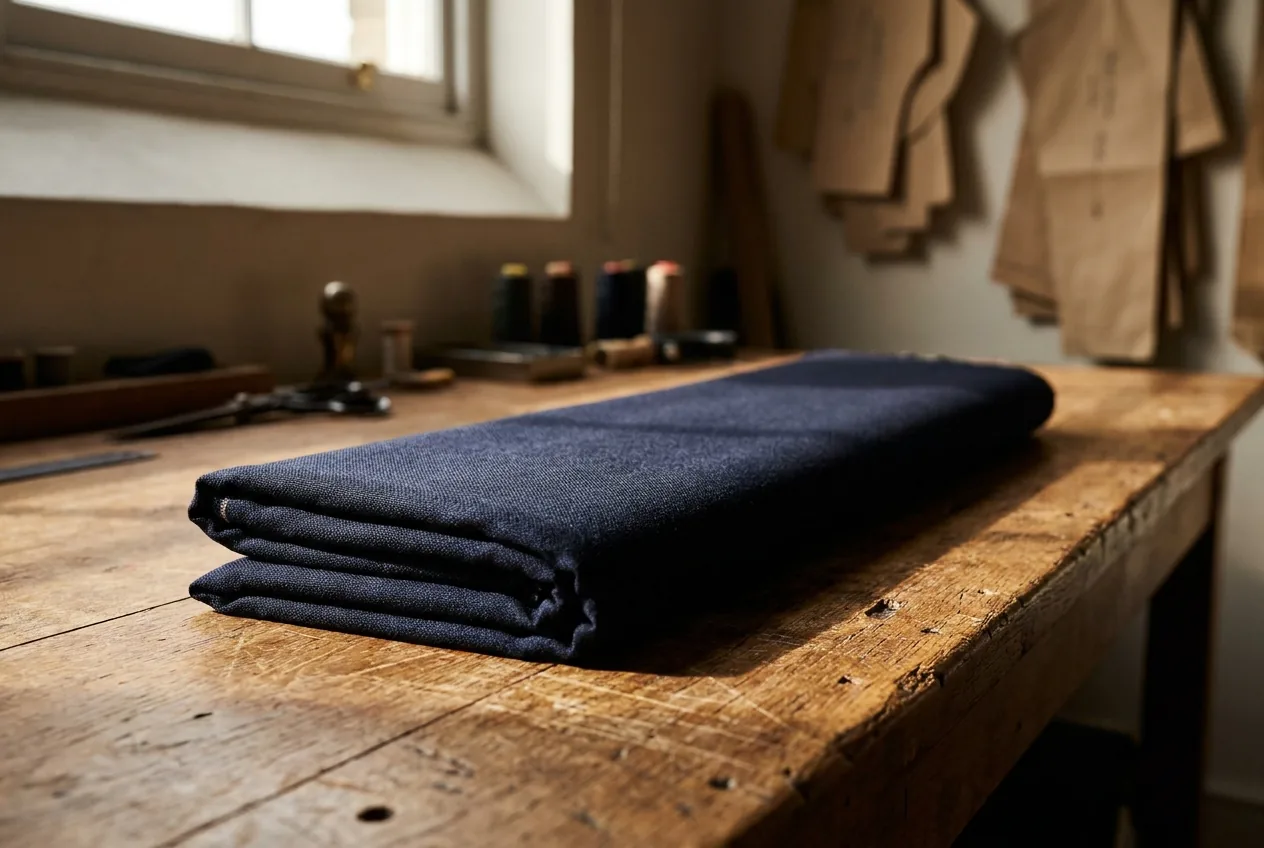
When a man is buying the one suit that has to cover everything, he usually leans toward black. It feels like the safe answer: black is what people picture at a funeral, it looks formal, and nobody imagines being told off for wearing it. Behind that is a fair worry. The one suit has to manage an interview, a wedding and a funeral, and the funeral is the occasion where getting it wrong feels worst.
Navy manages all three, the funeral included, and it does the other two better than black does. The part most advice skips is that not every navy will do it. Some are too bright to be serious, and some are so dark you’ve effectively bought black. This guide covers both.
Can I wear a navy suit to a funeral?
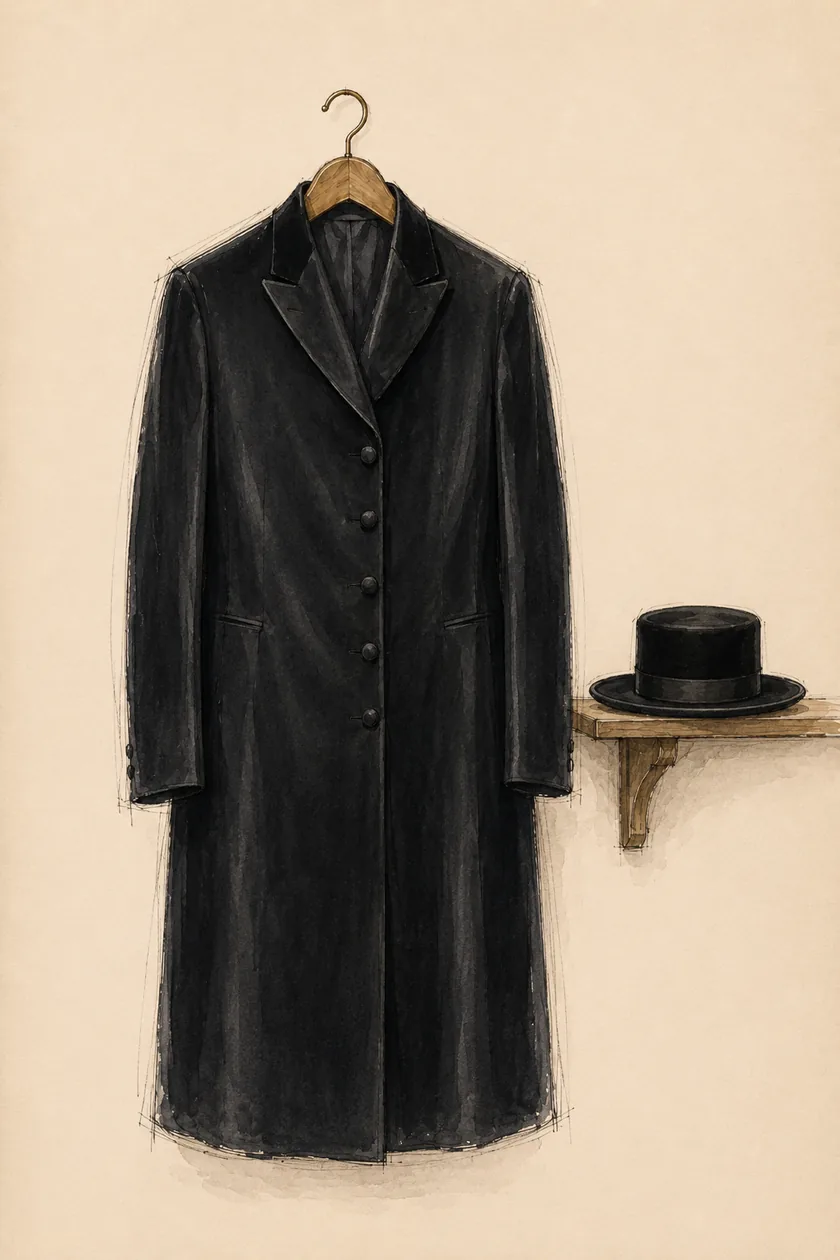
Yes. At a funeral in Canada or the US a dark navy suit is entirely correct. What makes a suit read as mourning is mostly what you wear with it:
- a white shirt
- a plain black or very dark tie, with no pattern
- black shoes, polished
- no pocket square, or a plain white one folded flat
Put those on a deep navy and nobody will give the suit a second thought, which is exactly what you want on that day. If the family asks for black, or you’re a pallbearer and the others are in black, follow them.
Then why not just buy black?
Because black is very good at one thing, and that thing is evening formalwear. It looks at home after dark, under electric light, with a bow tie. In daylight it flattens: it takes colour out of the face, shows every fleck of lint and dust, and in outdoor photographs it tends to come out as a dark shape with no texture in it. At a daytime wedding a black suit can also sit uncomfortably close to what the catering staff are wearing.
Navy has enough colour in it to look alive by a window, and it’s dark enough to pass for formal at night. That range is the whole reason it makes the better one suit.
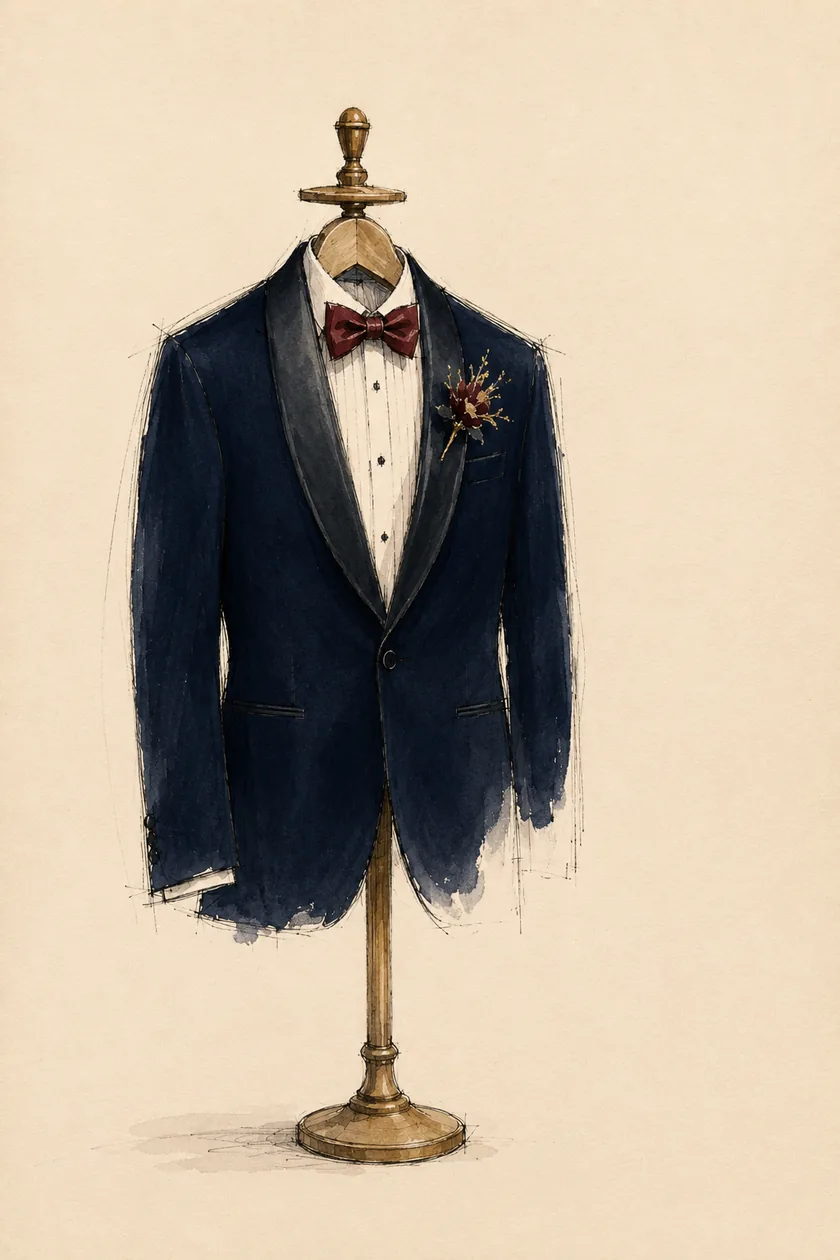
If what you actually need is black tie, a black suit with a bow tie is a weak stand-in anyway. The satin facings and the trim are what make a tuxedo, and they’re what the eye looks for.
Which shade of navy should I choose?
Navy runs from nearly black to nearly royal blue, and the two ends behave differently.
- Deep or midnight navy. The do-everything shade, dark enough for a funeral or an evening. Start here.
- Mid navy. A little friendlier, good for weddings and summer, slightly less formal.
- Bright navy. Younger and louder. A good second or third suit; a risky only suit.
The check worth doing: take the swatch, or the bolt, to a window. Under the warm light in most shops and offices a deep navy can look almost black, and you won’t see what you’re buying. In daylight the blue should show, clearly but quietly. If it still looks black at the window, it’s too dark to give you what navy is for. If it already looks bright blue indoors, it will look brighter still outside. Cloth at the studio is chosen by daylight for this reason.
What cloth should my only suit be?
A worsted wool of about 10 to 11 oz wears through most of a Toronto year: heavy enough to hang well and hold a crease, light enough for an indoor wedding in June. For a suit that will be worn hard, a middling fineness lasts better than a very fine one; Super numbers explained has the detail.
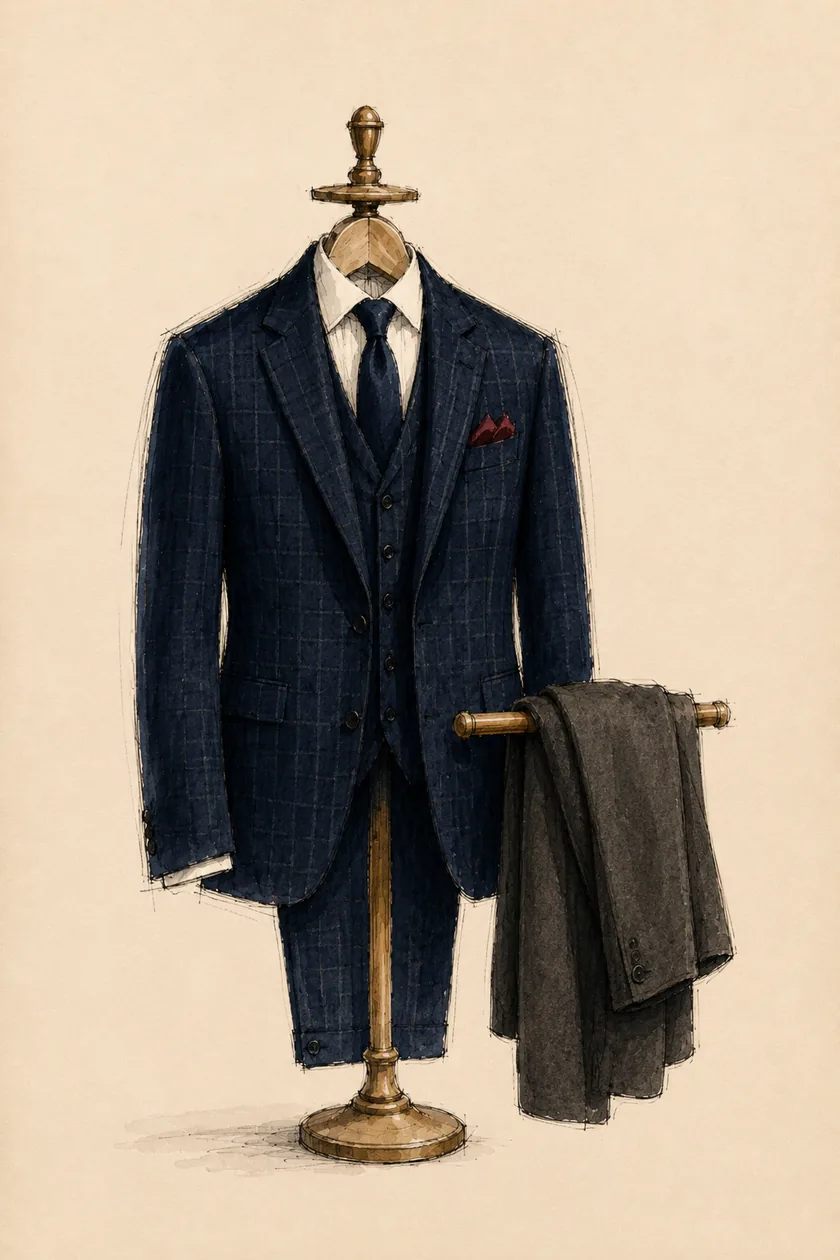
On navy, texture matters more than on most colours. Shine from wear and pressing shows most on dark, smooth cloth, and a flat navy worsted picks up a gloss at the seat and elbows sooner than a mid-grey would. A fine twill, a birdseye or a nailhead, where the weave breaks the surface into tiny ribs or dots, hides shine, lint and small marks, and still reads as plain navy from across a room. Choosing your cloth goes through the options.
Can I wear the navy jacket on its own?
Sometimes. A smooth worsted suit jacket over jeans or chinos often looks as though the trousers went missing, because the cloth is too dressy for them. A textured navy (a birdseye, a hopsack, a flannel) carries it off much better, which is another reason to choose one.
If the jacket does get worn alone, look after the match. Have the jacket and trousers cleaned together, even when only one is marked, so they age at the same rate; on a colour as dark as navy, a difference in shade between the two shows quickly. And since trousers wear out well before a jacket does, a second pair for the suit you wear most keeps the whole suit going far longer. Why the trousers wear out first explains.
What goes with a navy suit?
| Occasion | Shirt | Tie | Shoes |
|---|---|---|---|
| Funeral | White | Plain black or very dark | Black |
| Interview | White or light blue | Navy, burgundy or a small pattern | Black |
| Wedding | Light blue or pink | Something with colour or texture | Dark brown or burgundy |
| No tie | White or light blue, open collar | None | Brown, or loafers |
Socks match the trousers, so navy. Six shirt and tie combinations are drawn side by side in what goes with a navy suit, and black shoes or brown settles the shoes.
What should the second suit be?
Charcoal. It covers the few things navy does slightly less well, a more sombre funeral or a winter evening, and once you own both, neither has to be worn two days running. A mid-grey or a quiet pattern comes after that.
Before you order, hold the navy you’re considering beside something black from your own closet, at a window, and make sure you can see the difference. Then book a first appointment and bring the shoes you’ll actually wear, so the trousers are set to them, or draw the suit on the design board first.