Wool, linen, cotton, mohair: a plain-English fabric guide
Updated July 2026 · Sam’s Menswear editorial team
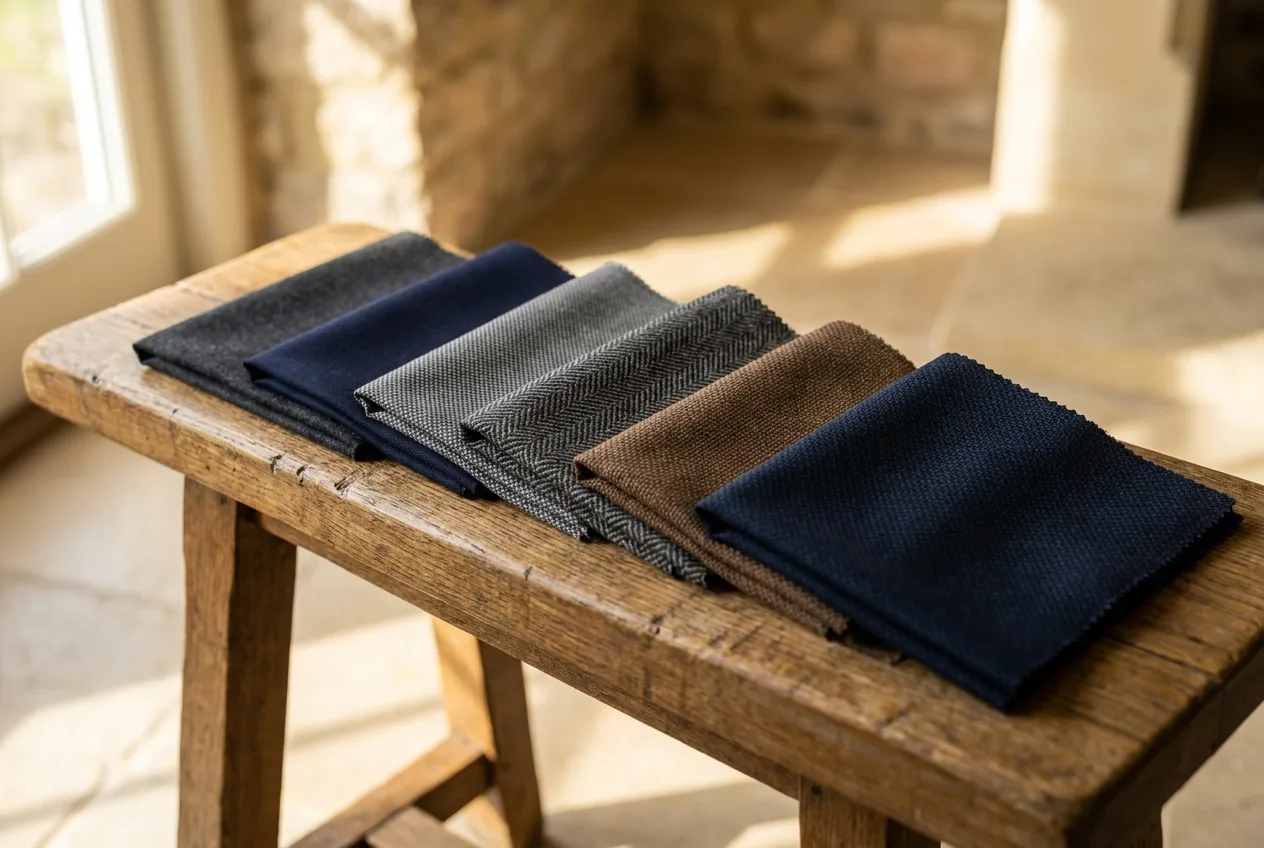
Wool is the all-rounder: breathable, resilient, works most of the year. Linen and cotton are your summer fabrics; linen breathes best but creases, cotton is softer and more casual. Mohair (usually blended with wool) is the crisp, cool, hard-wearing option with a subtle shine. Pick by season, how hard the suit will work, and how much creasing you can live with.
Which suit fabric is best for everyday wear?
Wool, almost every time. It breathes, springs back from creases, holds a press, and handles a range of temperatures, which is why most of the fabric in my library is wool or a wool blend.
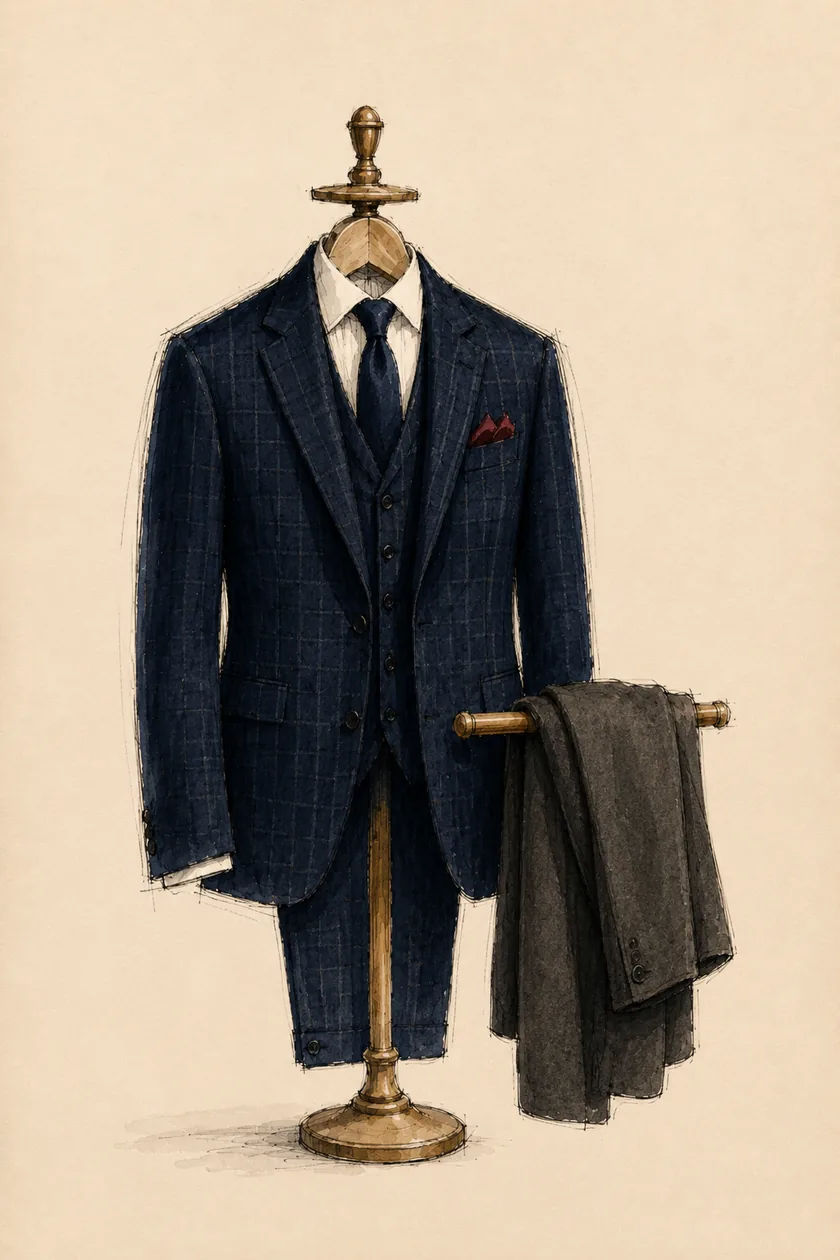
Wool is the workhorse for a reason. The fibre has a natural crimp, so it traps a little air (warm when you need it) but still lets your body breathe (cool when you don’t). It resists wrinkling on the drive downtown, and a good worsted wool suit will outlast three cheap ones. If you’re building a first wardrobe (say a navy suit for work), start here and don’t overthink it.
The one honest downside: wool wants dry cleaning, not the washing machine, and it can attract moths if you store it badly. A cedar block and a breathable garment bag solve that. More on keeping it right in how to care for your suit.
Is linen good for a summer suit?
Yes. Linen is the coolest fabric I sell, full stop. It’s spun from flax, the yarns are thick and open, and air moves through it like nothing else. For a July wedding or a summer in the GTA humidity, it’s hard to beat.
The trade-off is creasing. Linen wrinkles the moment you sit down or bend an elbow, and that’s not a defect; it’s the character of the fabric. If a lived-in, relaxed look reads right to you (garden weddings, resort, weekend), linen is a joy. If crisp is non-negotiable, we go a different route.
Choose linen when:
- The event is hot, outdoor, or casual-to-smart
- You want maximum breathability
- You’re comfortable with a relaxed, rumpled look
Skip it when: you need to look sharp for eight hours in a boardroom. For that, see the profession guides like dressing for finance.
What about a cotton suit? How is it different from wool?
Cotton sits between linen and wool. It’s soft, breathable, more casual than wool, and (unlike most suiting) some cotton fabrics take a gentle wash. Good for spring and early fall, and for a suit that leans smart-casual rather than formal.
Cotton (and its cousin, cotton chino or moleskin) gives you a softer, earthier look: think tan, olive, stone. It creases more than wool but far less dramatically than linen. The catch: it doesn’t insulate in real cold, and cheaper cotton can look tired quickly if it’s cut too full. Cut trim and it’s a genuinely useful warm-weather alternative to a summer wool.
Is a mohair suit worth it?
For the right person, absolutely. Mohair (from the Angora goat) is crisp, lightweight, cool, and has a subtle sheen that catches light beautifully. It’s tough as nails and shrugs off creases. That combination is why it’s a classic evening and hot-climate fabric.
You’ll almost always want it blended with wool: a kid mohair/wool mix, often around 15–30% mohair. Pure mohair on its own is stiff and a touch scratchy, and it’s expensive. Blended, you get the best of it: the coolness and the quiet shine without the discomfort.
Mohair shines (literally) for:
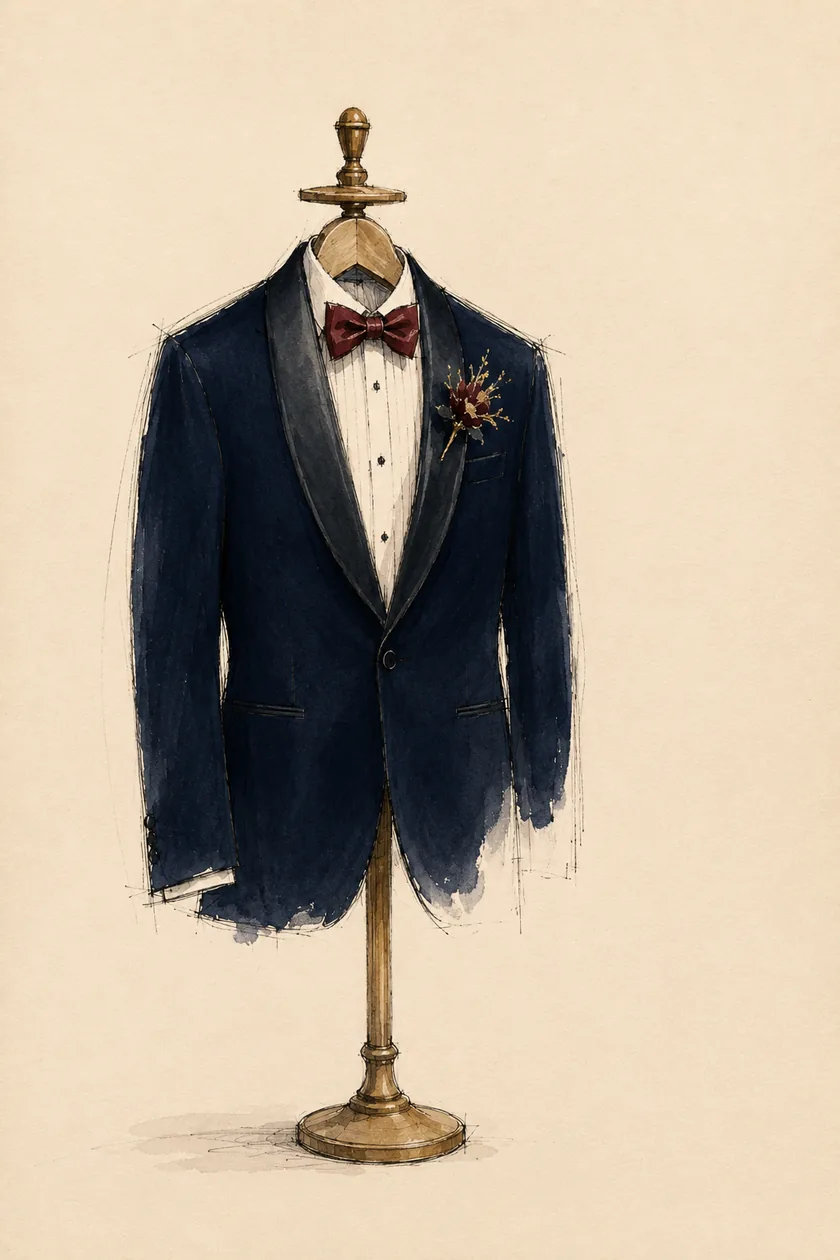
- A tuxedo or black-tie suit that needs to glow under evening light
- A hot-weather suit that still has to look sharp, where linen would be too casual
- Anyone who wants a hard-wearing suit with a bit of character
How do I choose between them for my suit?
Answer three questions and it falls into place: what season, how hard will it work, and how much creasing can you live with? That’s the whole decision; the weave and Super number are my job.
- Year-round, works hard, has to look sharp → wool. Default answer.
- Hot, humid, relaxed → linen (embrace the crease) or a wool hopsack if you want less rumple.
- Warm, casual, softer look → cotton.
- Evening, or hot but still sharp, with a little shine → mohair/wool blend.
Weight matters as much as fibre. A summer wool at around 8oz breathes better than a heavy cotton; a winter flannel at 11–13oz keeps you warm where linen never could. If you want to go deeper on weight, weave and Super numbers, read choosing your fabric.
Do these fabrics come blended?
Constantly, and blending is usually the smart move, not a compromise. Most of the best modern suiting mixes fibres to balance their weaknesses.
A wool/mohair blend adds crispness and shine to wool. Wool/linen (and wool/linen/silk) gives you linen’s breathability with far less creasing. It’s my go-to for a groom who wants summer comfort without the full rumple, which I get into in the groom’s suit. Wool/cashmere adds softness for cooler months. There’s no prize for insisting on 100% of anything; the right blend for how you’ll actually wear the suit beats fibre purity every time.
Come feel the fabric before you decide
Words only get you so far. Fabric is something you touch, hold to daylight, and see against your own skin. Browse the fabric library to get a feel for the range, then design your suit, or just come in.
Bring the shortlist, or bring nothing. Pulling the right bolt for the right man is the part of the job I enjoy most, and we’ll find yours together. Book an appointment whenever you’re ready.