Black tie decoded: what to wear to a formal wedding
Updated July 2026 · Sam’s Menswear editorial team
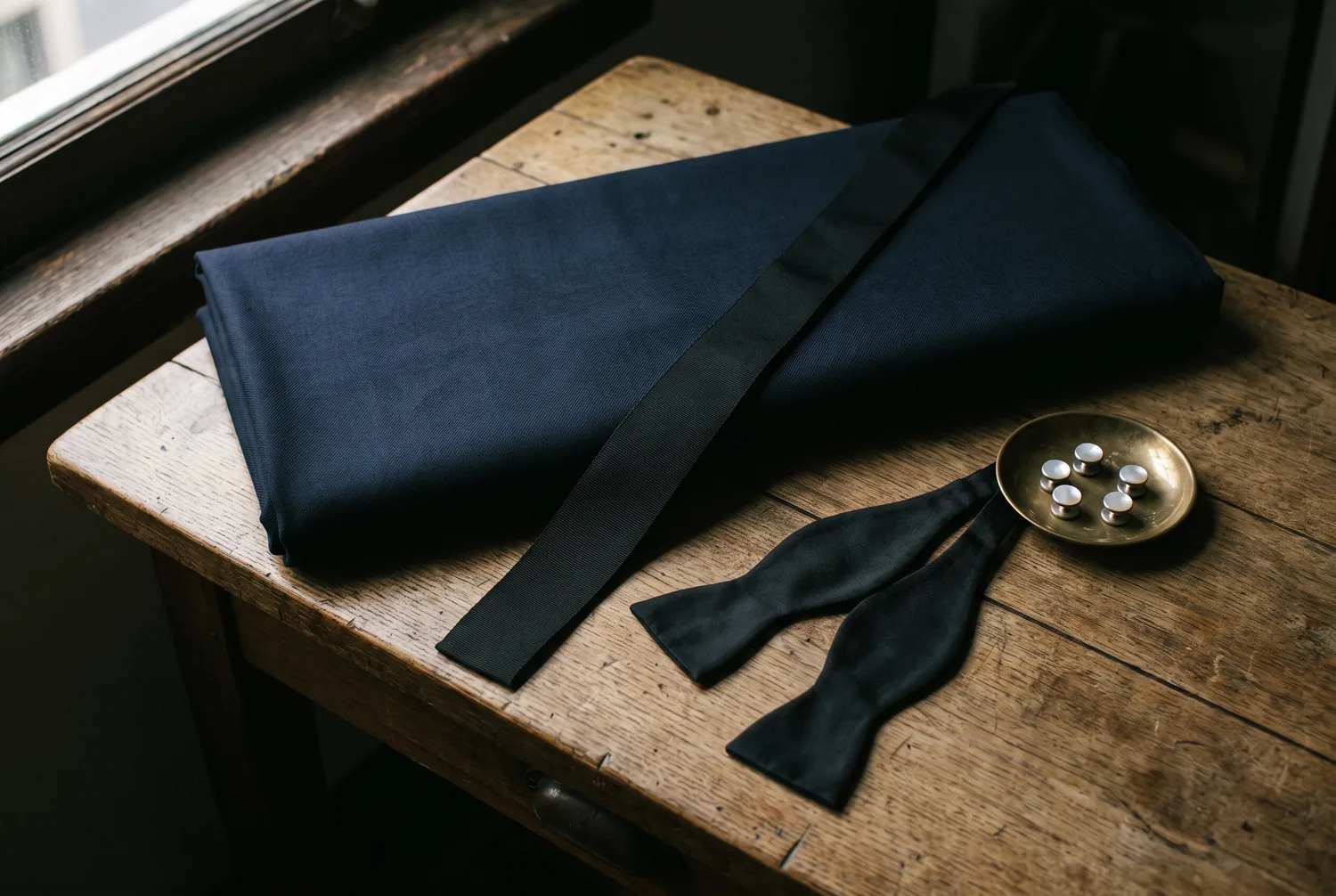
“Black tie” on an invitation trips up a lot of good men. Get it right and you look effortless; get it wrong and you’re the guest in the wrong outfit in every photo. Here’s what the dress codes actually mean and how to nail them.
Black tie
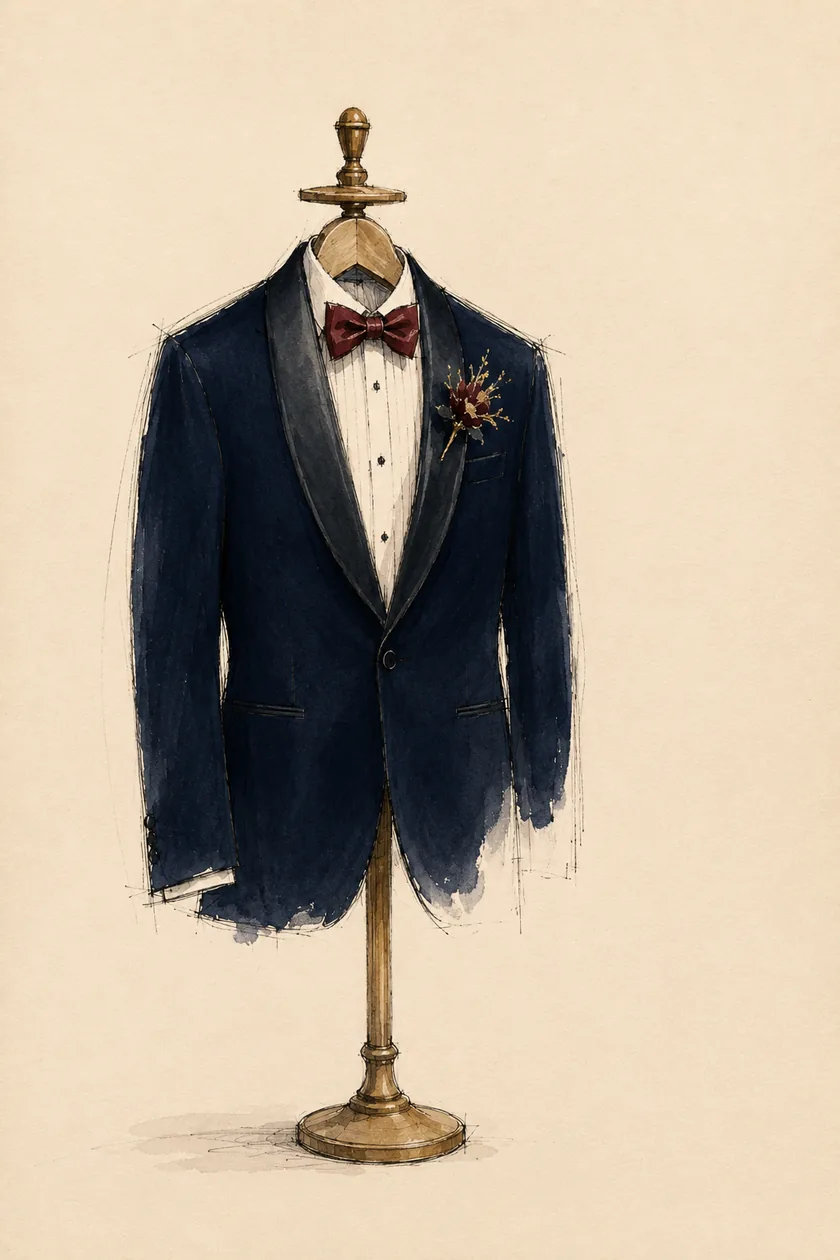
The classic formal code, for evening weddings. It means a tuxedo: a black or midnight-blue dinner jacket with satin peak or shawl lapels, matching trousers with a satin side-stripe, a white dress shirt, and a black bow tie. Black patent or highly polished leather shoes. This is not the moment for a regular business suit. What makes a tuxedo a tuxedo →
Black tie optional
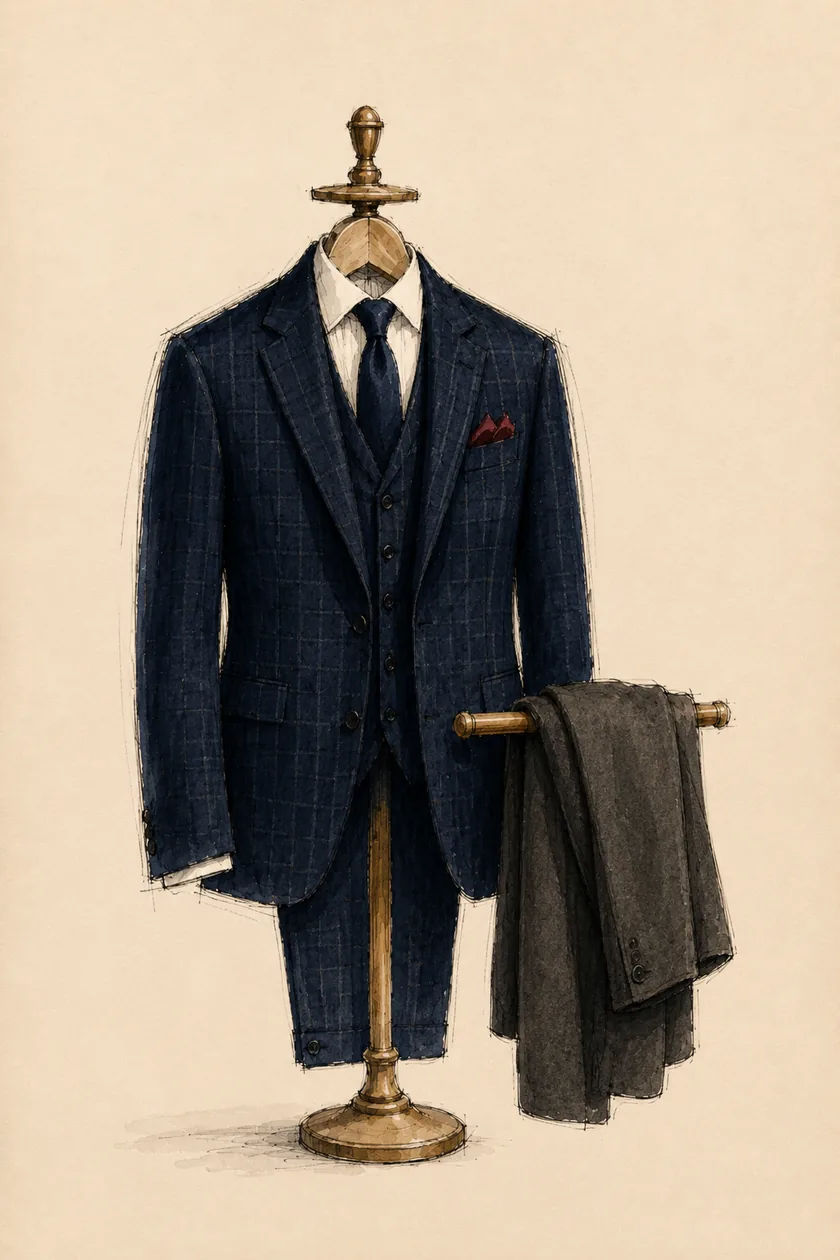
You have a choice, but “optional” leans formal. A tuxedo is always right here. If you’d rather not, a dark, formal suit (deep navy or charcoal) with a conservative tie is acceptable. When in doubt at an evening wedding, wear the tuxedo; you’ll never be overdressed at black tie optional.
Formal / cocktail
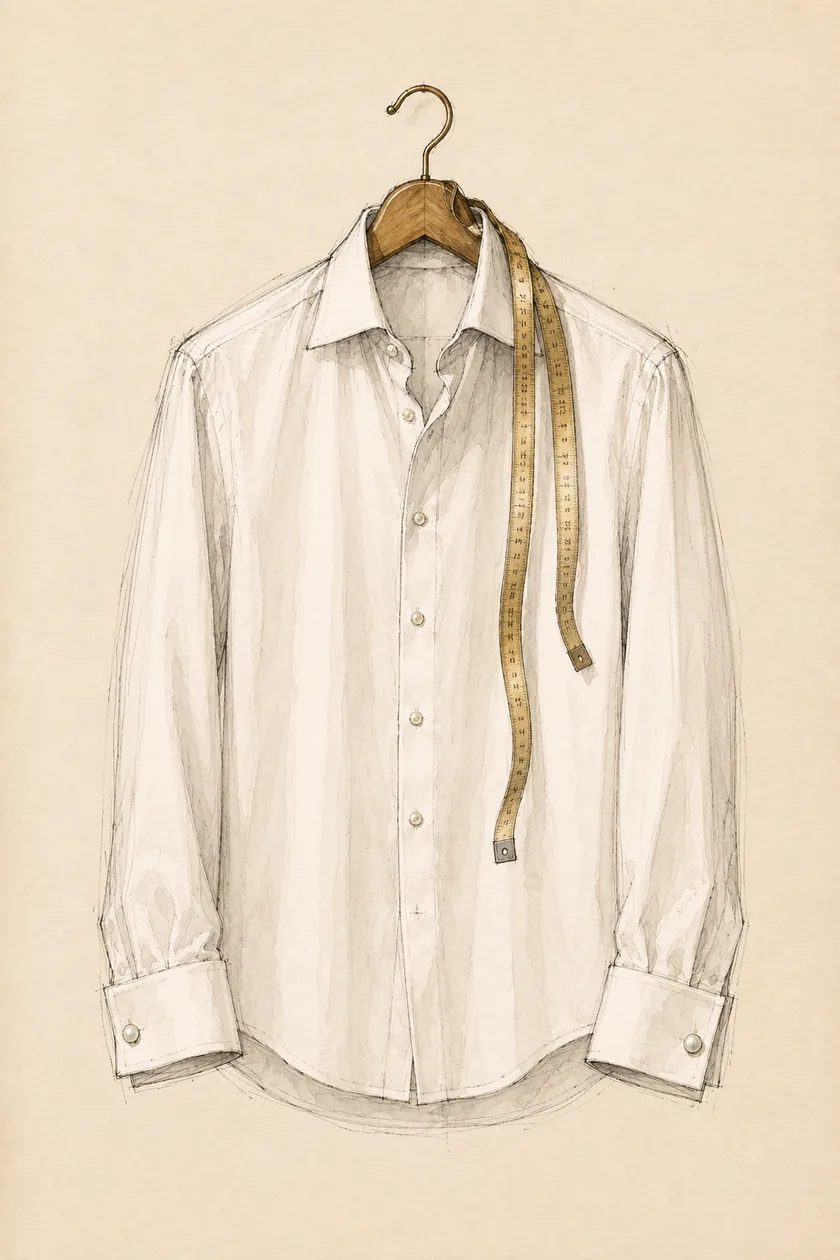
A notch down. A well-cut dark suit does the job: navy or charcoal, crisp shirt, a proper tie. No tuxedo required, but this is not casual either. Fit is what separates sharp from sloppy. How a suit should fit →
The details that give you away
- Bow tie, tied by you. A real one, not a clip. It should match the lapel facing.
- No black notch-lapel “tuxedo.” Notch lapels belong on business suits; peak or shawl on a tux.
- Shoes polished to a shine. Formalwear lives or dies on the shoes.
- Fit above all. A perfectly correct outfit that fits badly still looks wrong. This is the argument for a made tuxedo over a rental.
Get it made, with time
A tuxedo is where fit and formality matter most, exactly the garment worth having made to you. For a wedding, two to three months out is comfortable; the tuxedo itself takes three to four weeks. Book a tuxedo appointment → and Sam will walk you through the whole code.