The Last-Minute Panic
What a tailor can and can't do when the event is close, and how much time each garment really needs.
These are the situations that come up at the bench season after season, written as general advice. They are not stories about real clients and they are not reviews: nobody here is a real person, and no shop is named.
The wedding is nine days away and I have nothing to wear
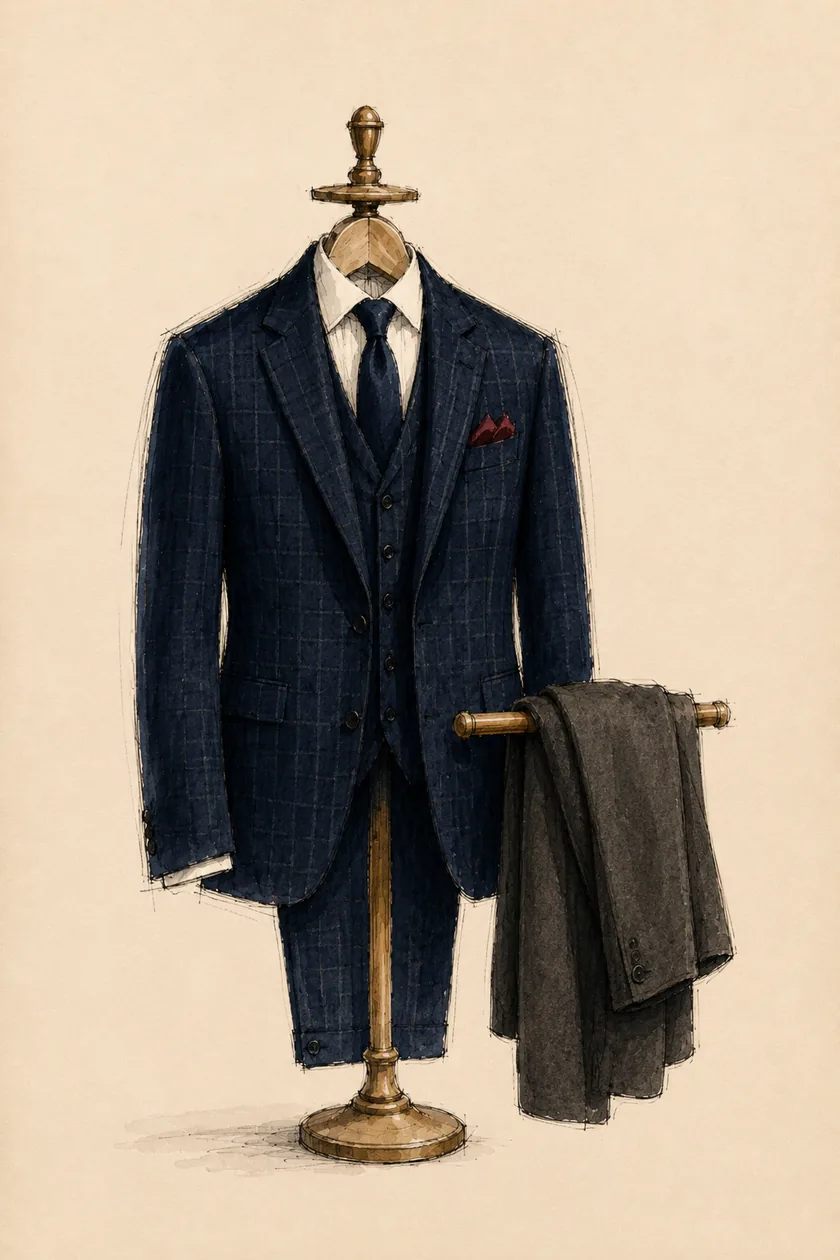
Nine days is too short to have a suit made. A made-to-measure suit takes three to four weeks, and the fastest rush is about twelve days, depending on the cloth and how busy the month is. At nine days the real choice is a suit off the rack, altered.
Buy for the shoulders and the collar, because those can't be changed. Sleeves, trouser hems and the jacket waist can be adjusted in a few days by a tailor who has room. One detail catches people out: if the jacket has working buttonholes at the cuff, the sleeve can't be shortened from the end without moving them, and taking it up from the shoulder is a much bigger job. Check that the cuff buttons are sewn on over false buttonholes, or that the sleeve already fits. Next time, give a made suit its four weeks.
At nine days, buy off the rack for the shoulders, and check the cuff buttonholes aren't working ones before you pay. Read more →
How late is too late to order a made suit?
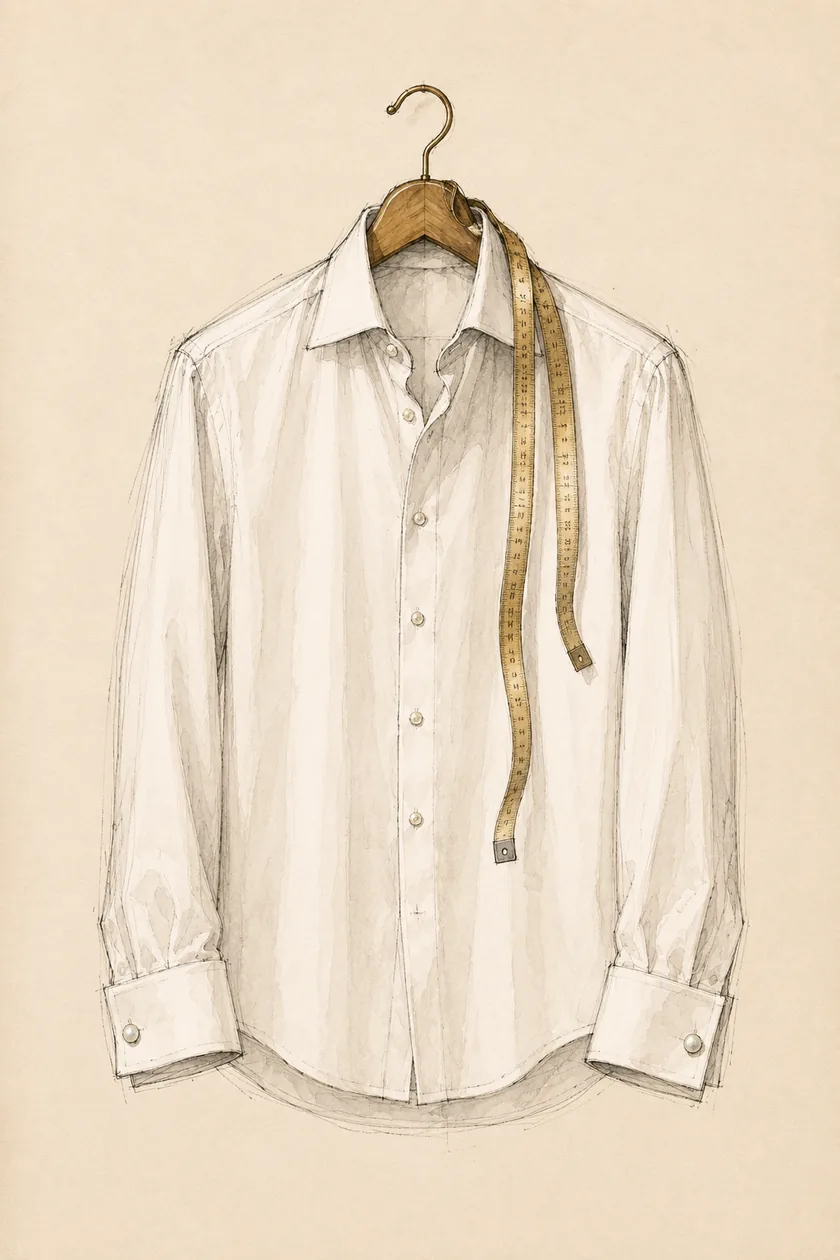
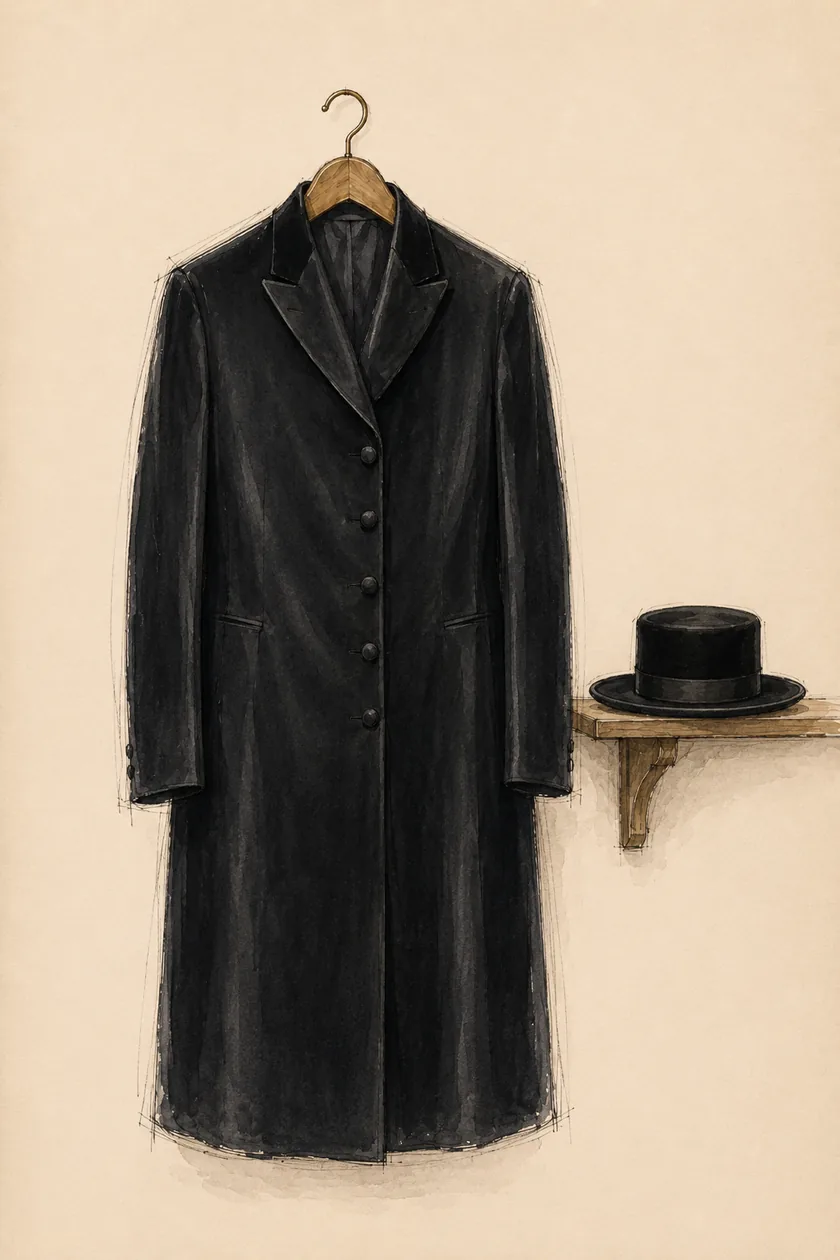
Work back from the date. A suit takes three to four weeks from the first appointment, with one fitting on the finished garment and time after it for any corrections. Shirts take two to three weeks and a coat about five. A rush of about twelve days exists for suits, but it depends on the cloth and the month, and it is a favour more than a service.
Occasions with many moving parts need more than the making time. Two to three months before a wedding is comfortable, because choosing cloth and organising groomsmen take longer than the sewing. For a bar mitzvah, order six to eight weeks out. One thing people don't expect: the cloth you fall for can be out of stock with the mill, which costs days while a replacement is found. Pick a second choice at the first appointment and the order keeps moving either way.
Count back four weeks for a suit and five for a coat from the day you need it, then add time for choosing and for the fitting. Read more →
I'm ordering in December. Why does it take longer?
Orders placed from November 20 through February take about three weeks longer than usual, because the workroom slows down over the winter, and no rush is available in that stretch. A suit that takes three to four weeks in October can take six or seven in January.
That catches people dressing for December weddings, Chanukah parties, office parties and New Year's Eve, and later for Purim. If the event falls before the end of December, the order needs to be in by November 20. For anything from January through March, add the three weeks to the normal timeline before you count back. Shirts and coats are slower in the same way. The measuring, the choice of cloth and the fitting are unchanged; only the wait grows. If you own a suit that nearly fits, have it altered for the early events while the new one is made.
For anything between late November and March, order before November 20 or add three weeks to the usual making time. Read more →
The tuxedo I own doesn't close anymore
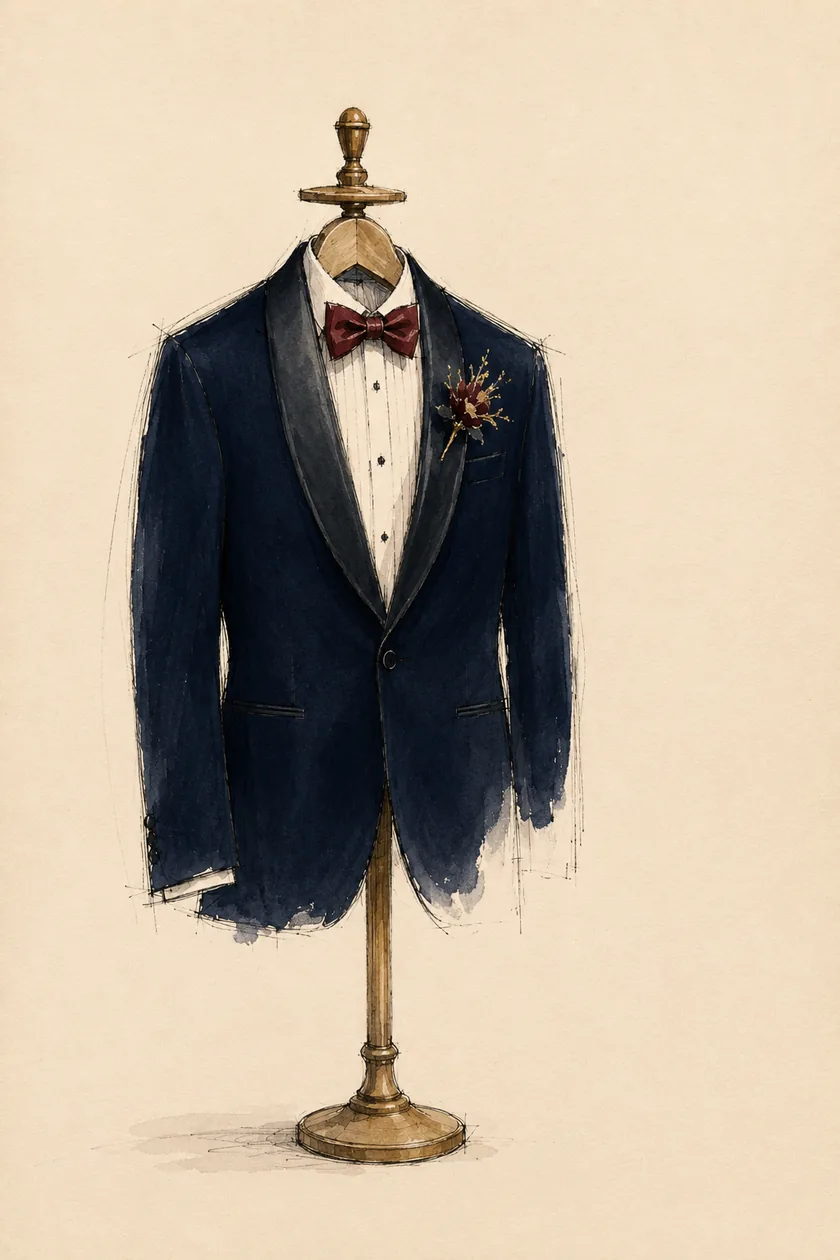
A jacket can usually be let out about an inch, sometimes an inch and a half, through the back and side seams, and only as far as the cloth folded inside allows. Trousers often have one to two inches at the centre back seam. Formal cloth adds a limit of its own: on dark, smooth barathea the old stitch line and press mark can show along a seam that has been let out.
So test it early. Put the whole outfit on six weeks before the event, button the jacket and sit down. If the button misses by an inch or less, a tailor can usually find the room. If it misses by more, or the shoulders now pull, start a new one, and allow three to four weeks for a made tuxedo, longer if you are ordering between November 20 and the end of February.
Try on any formalwear you own six weeks before the event; if the jacket button misses by more than an inch, start a new one. Read more →
Five groomsmen, three weeks, and nobody has been measured
The party is ready only when the last man has had his fitting, so the slowest groomsman sets the date. Three weeks is at the edge of what made suits need, and it works only if every man is measured within the same few days and is in town for his fitting.
Start with a list: who is local, who is flying in, and who hasn't answered. Out-of-town groomsmen are the usual problem. A local tailor can take their measurements and send them, but nobody checks the finished jacket on them until they arrive, so they need to come in early enough for a correction. Settle the cloth first and order it once, so the colour matches. If the calendar is too short for everyone, a made suit for the groom and altered ready-made suits for the groomsmen is an honest compromise.
Book every groomsman's measurements in the same week the groom orders, and get an arrival date from each out-of-town man. Read more →
A job interview on Monday and only a borrowed suit
Over a weekend nothing new can be made, and most alterations need more than a day. What you can still change is how the suit is pressed and how you wear it. A professional press does more than people expect; a sharp trouser crease and lapels that lie flat hide a lot.
Interviewers mostly see you sitting. Put on the full outfit and sit in a chair facing a mirror. Look for a collar standing away from the back of your neck, creases pulling from the jacket button, sleeves that cover the shirt cuff, and trousers riding up past the top of your socks. Unbutton the jacket when you sit if it pulls. Have the sleeves or hems shortened if a tailor can fit it in, and leave the rest alone. Then plan a suit of your own for the second interview, with three to four weeks to make it.
Sit facing a mirror in the full outfit and fix what shows when you're seated first. Read more →
The bar mitzvah is ten days away and his suit is too short
Boys can grow inches in a few months, usually in the legs and arms first. Ten days is too short to have a new suit made; a bar mitzvah suit should be ordered six to eight weeks out. What you can do now is let out whatever the old suit holds in reserve.
Turn the trouser hems and the jacket sleeves inside out and look at the cloth folded under. That fold is the most either can be lengthened: often an inch or more on a decent suit, almost nothing on a cheap one. A let-down hem can leave a faint line where the old fold was pressed, which a good press softens but can't always remove. The trouser waist can usually move at the centre back seam. If the shoulders are now tight, nothing in ten days will fix that, and an off-the-rack suit bought for his shoulders is the safer route.
Turn the hems and sleeves inside out and measure the folded cloth; that is the most they can be let down. Read more →
I'm travelling until a week before the event
For a frequent traveller the making time is the easy part. The two appointments are harder. The first is for measuring and choosing cloth. The second is the fitting on the finished garment, which has to happen a few days before you collect so any corrections can be made.
Order before your last long stretch away, then book the fitting date first and plan the final trip around it. Sam can come to your office or your home for the first appointment, and for the fitting too if you ask, which saves the drive on a crowded day. Once your measurements are on file, a second suit or a set of shirts starts from that record, so a repeat order before the next busy season is quicker. Shirts take two to three weeks, which makes them easy to add to a suit order.
Fix the fitting date before you book the last trip, and leave a few days after it for corrections. Read more →
The suit I had made elsewhere looks wrong three days before
Three days is enough for some fixes and nowhere near enough for others. A tailor can shorten or lengthen sleeves within the cloth available, rehem trousers, take in or let out a waist, and press the whole garment properly. A careful press alone often rescues a lapel that won't roll or a front that looks flat and tired.
What three days can't fix is anything built into the top of the jacket. Shoulders that ripple or collapse, a collar that stands away from the neck, a chest that pulls when buttoned: correcting these means taking the jacket apart, and a rushed job there usually looks worse than the original fault. Ask for the simple, visible corrections and leave the structure alone. At Sam's, the suit goes on you finished at the fitting before you collect it, so faults like these turn up while there is still time to deal with them.
Three days out, ask only for sleeves, hems, the waist and a press, and leave the shoulders and collar untouched. Read more →
General advice from thirty years at the bench, not client stories and never customer reviews. For the real thing: about Sam · his Google reviews · the practical guides.