Groom style by wedding type: ballroom, backyard, beach, black-tie, winter
Updated July 2026 · Sam’s Menswear editorial team
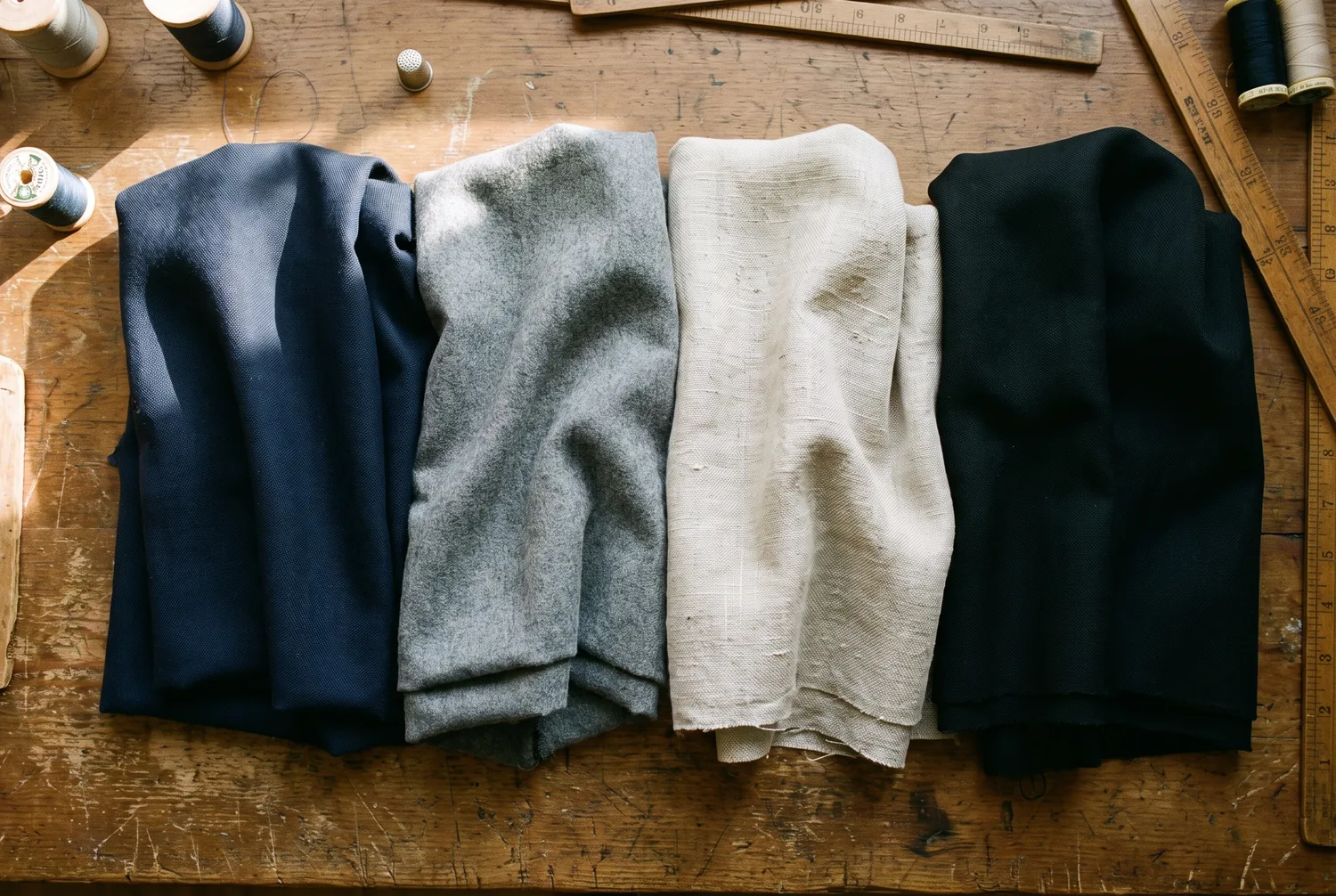
The venue writes half the dress code. A ballroom asks for a tuxedo, a beach asks for linen, a backyard wants something relaxed but sharp, black-tie means a proper dinner suit, and a winter wedding calls for weight and depth. Match the setting first, then make it yours. That’s the whole trick.
Here’s how formality and location decide what you wear, so you look like you belong in the room (or on the sand) instead of fighting it.
What should a groom wear to a ballroom wedding?
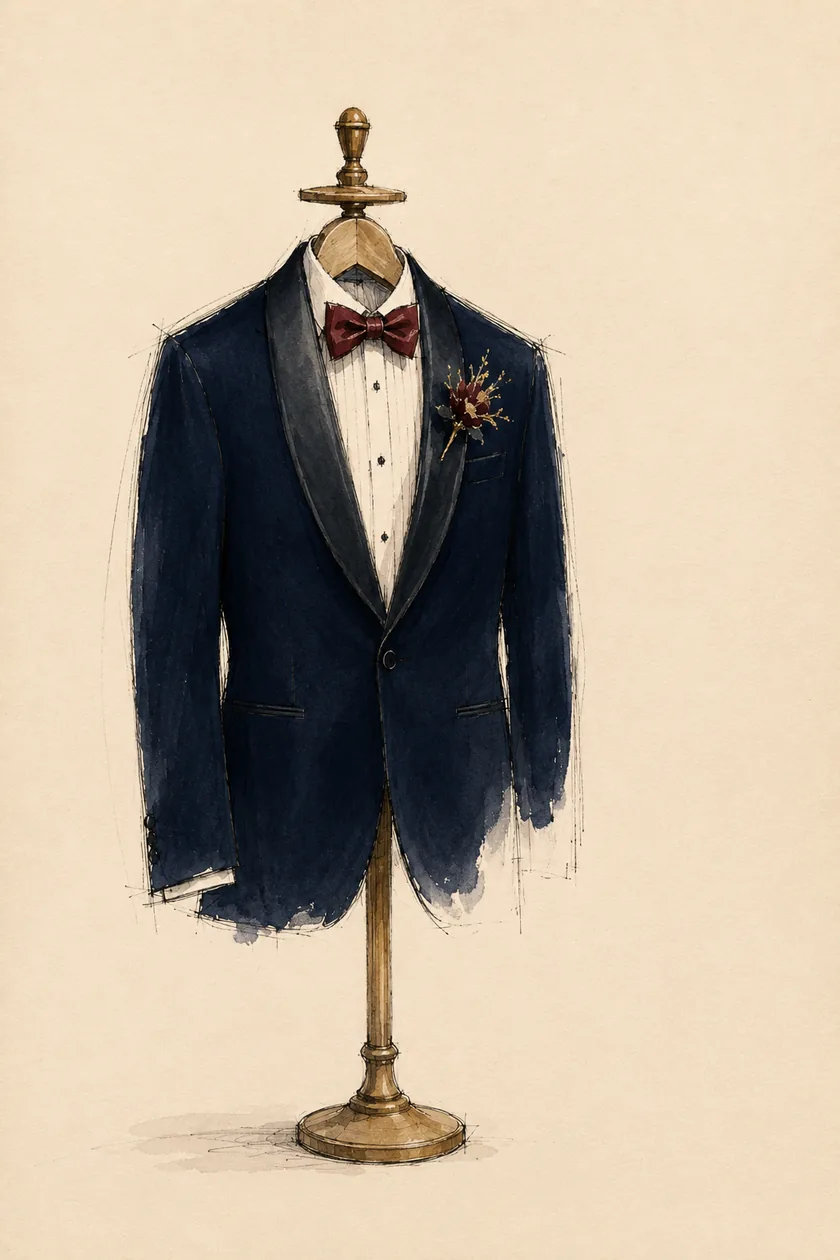
A ballroom wants a tuxedo or a formal dark suit. The room is doing “dressed up,” so you match it. Peak lapel, clean lines, deep colour.
Ballrooms are big, bright, and formal by design. A daytime lounge suit gets swallowed by the chandeliers. Go with a black or midnight-navy tuxedo: peak lapel or shawl collar, satin facing, a proper bow tie. Midnight navy actually reads richer than black under warm ballroom light, which is why a lot of grooms quietly prefer it.
If it’s a formal-but-not-black-tie ballroom, a sharp charcoal or navy suit with a fine-worsted finish does the job. The rule: the more architectural and formal the space, the cleaner and darker you go.
What suit works for a beach wedding?
Linen or a light-weight cotton in a pale colour: sand, stone, light blue, soft grey. Breathable, unlined or half-lined, and skip anything heavy or shiny.
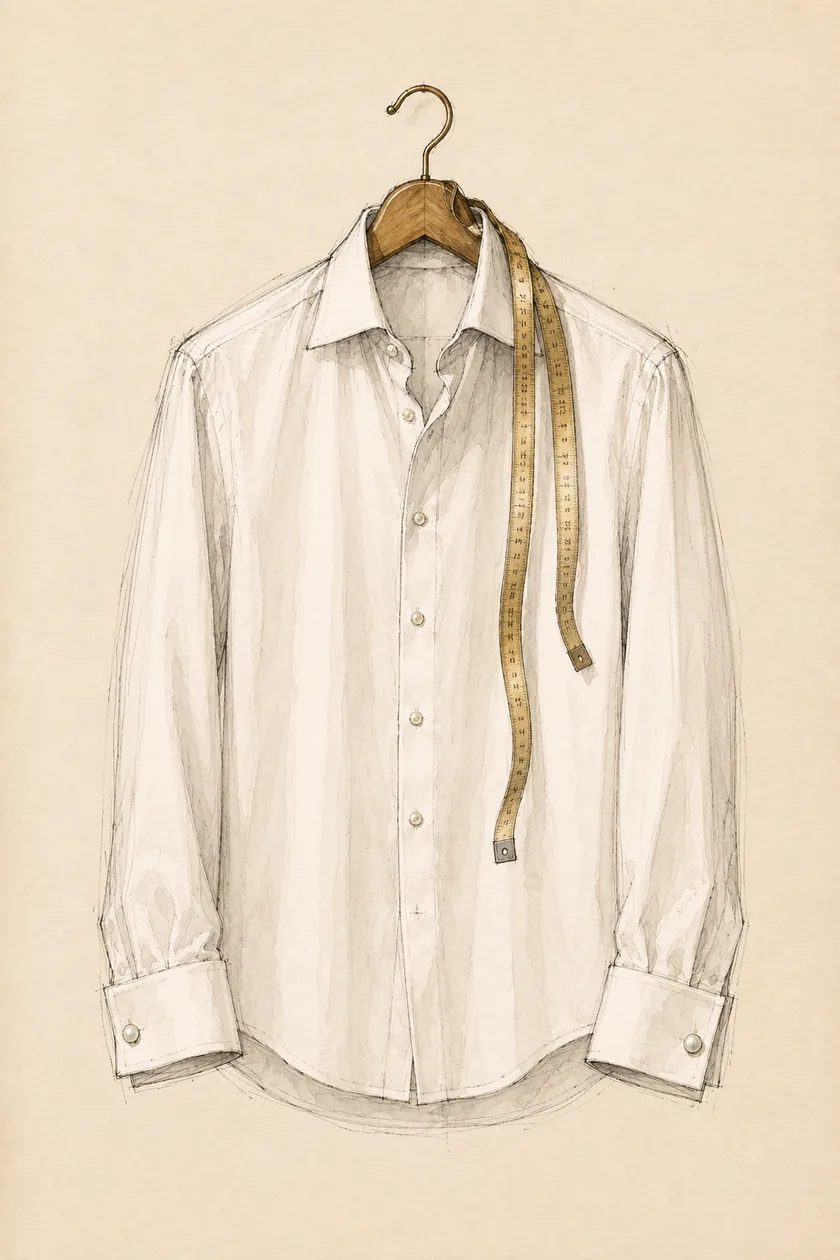
Sun, humidity, and sand punish a heavy suit. Linen is the classic answer because it breathes and moves; its tendency to wrinkle is part of the charm, not a flaw, as long as the fit is right. That’s the catch most people miss: a badly fitted linen suit just looks rumpled, while a well-cut one looks effortless. The shoulders, chest, and trouser break have to be dialed in so the natural creases read as intentional.
For the coast:
- Colour: sand, ecru, light grey, soft blue. Nothing that fights the sky.
- Build: unlined or half-lined jacket, no shoulder padding to speak of.
- Details: open collar or a knit tie, loafers or clean suede, no bow tie.
You can absolutely do linen custom. That’s how you get the drape and the lightness without the sloppy off-the-rack fit.
How dressed up should a backyard or garden wedding be?
Relaxed but intentional: earthy, softer tones and texture, not a stiff formal suit. Think approachable, not underdressed.
Backyard and garden weddings are the most forgiving and the easiest to get wrong, because “casual” tempts people into looking like a guest instead of the groom. The move is texture and warmth over stiff formality: a soft tan, sage, or light-grey suit, maybe a subtle check or a linen-wool blend. Earthy neutrals photograph beautifully against grass and wood.
You can dress it up or down within the same outfit: jacket and tie for the ceremony, lose the tie and open the collar for the reception. A waistcoat instead of a jacket is a great warm-weather backyard look that still reads “I’m the groom.” Just avoid solid stark white unless the whole party is coordinated around it.
What does “black-tie” actually mean for the groom?
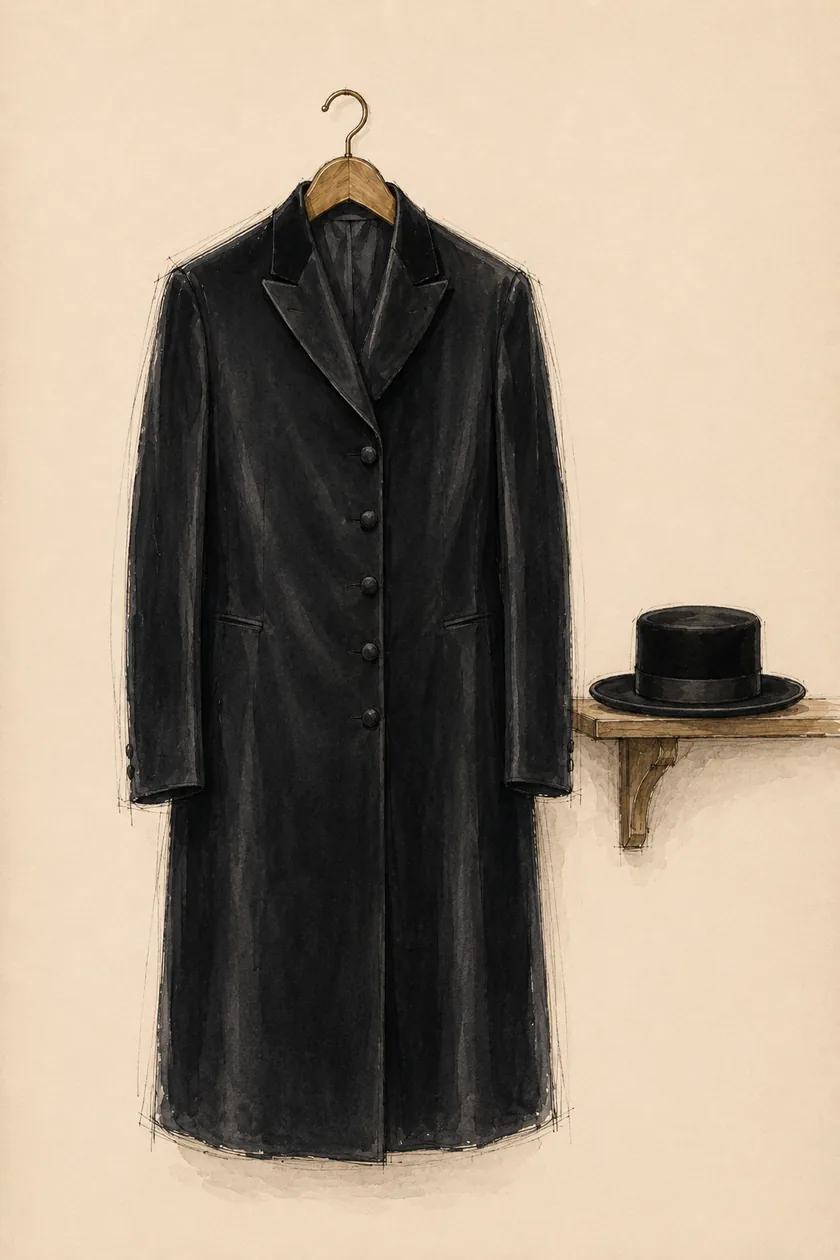
Black-tie means a tuxedo, full stop. Black or midnight dinner jacket, satin lapel, black bow tie, formal shirt, patent or highly polished shoes.
If the invitation says black-tie, the setting has already told you the answer. Where grooms distinguish themselves is in the details, not by breaking the code: a shawl vs. peak lapel, a midnight-navy jacket instead of black, a subtle self-textured fabric. Our full breakdown lives in black-tie wedding attire and the custom tuxedo.
One honest note: black-tie is where rentals show the worst. The satin looks plastic, the fit is generic, and it photographs cheap. A custom vs. rental tux is the one place the difference is most visible in pictures you’ll keep forever.
What should a groom wear to a winter wedding?
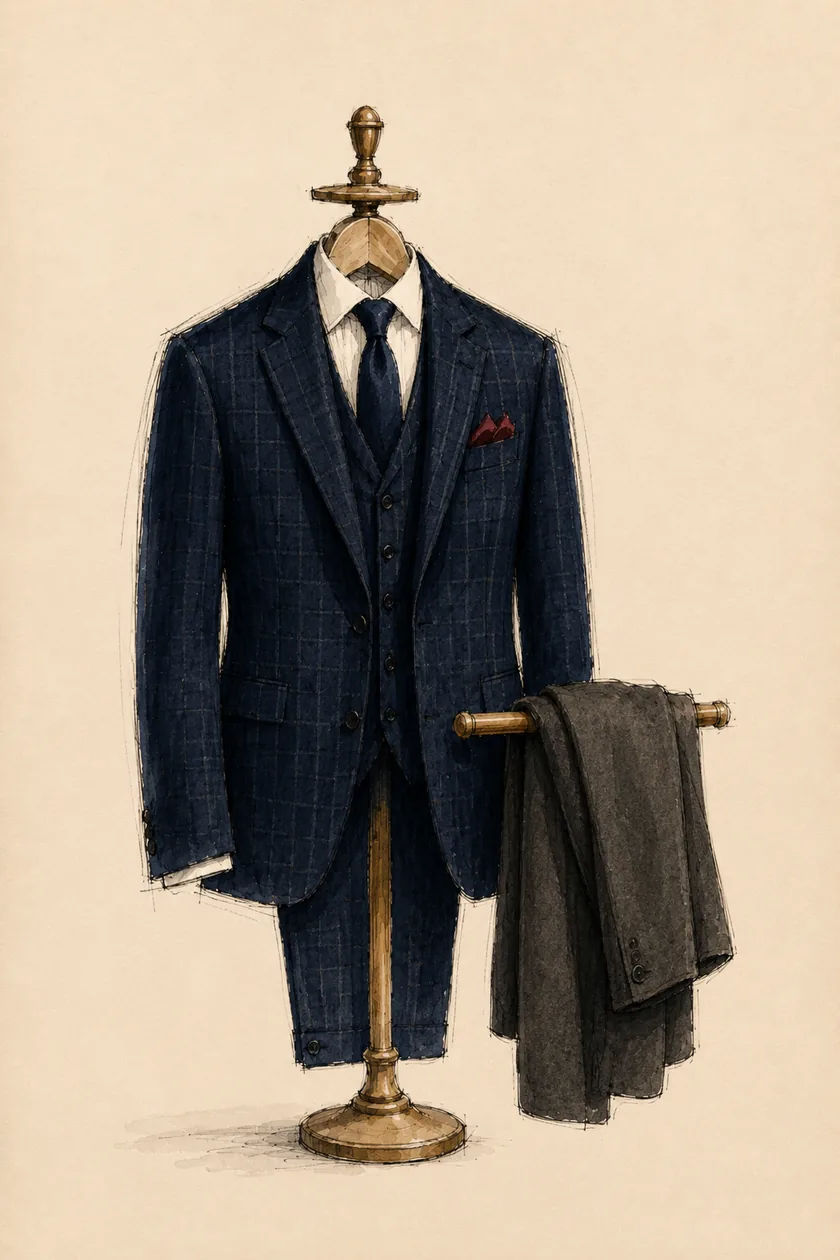
Heavier fabric and deep colour: flannel, tweed, or a substantial wool in charcoal, midnight navy, deep green, or burgundy. Weight and warmth do the work.
Winter is where fabric matters most. A summer-weight worsted looks thin and feels colder than it should. Wool flannel has body and warmth, holds a crease, and gives that soft, rich matte finish that suits a candlelit December room. Tweed is fair game for a rustic or country winter wedding; texture reads beautifully in cold light.
Colours go deep: charcoal, midnight navy, forest green, oxblood, chocolate brown. These have the most visual weight and the clearest formality, which is exactly what a winter wedding wants. Add a waistcoat for warmth and layering, and lean into flannel or brushed cotton over anything crisp and summery.
How do I match my suit to the setting without overthinking it?
Read the formality of the space first, then pick fabric for the season and colour for the setting. Formality decides the cut; weather decides the weight.
Quick gut-check by venue:
- Ballroom / black-tie: tuxedo, dark, clean, formal.
- Beach / waterfront: linen, pale, light, relaxed collar.
- Backyard / garden: soft neutrals, texture, waistcoat-friendly, dress up or down.
- Winter / indoor evening: flannel or heavy wool, deep colour, layers.
The through-line: don’t fight the room. A tux on the sand looks stiff; linen in a ballroom looks lost. When the suit agrees with the setting, you stop thinking about your clothes and actually enjoy your day, which is the whole point. If you’re also outfitting the party, coordinating groomsmen walks through keeping everyone in the same visual family without dressing them identically.
For the wider picture on planning your look, start with the groom’s suit and our main wedding page.
Not sure which way your venue pulls? Bring us the location and the date and we’ll tell you straight which fabric and colour the room asks for. Book an appointment or start to design your suit whenever you’re ready.