Interview season: the suit that gets the offer
Updated July 2026 · Sam’s Menswear editorial team
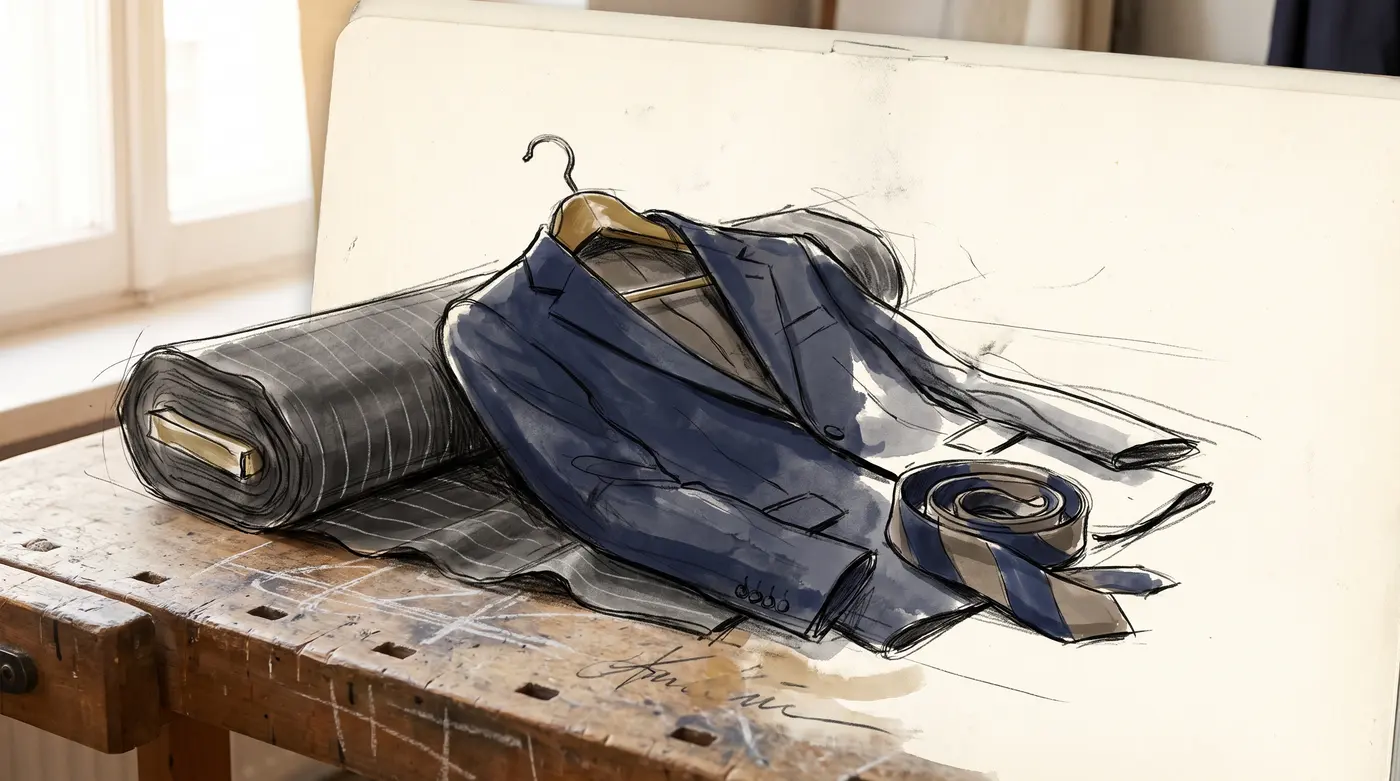
Wear a well-fitted navy or charcoal suit, a crisp white or light-blue shirt, and a simple tie. Fit matters more than price: a $400 suit tailored to your shoulders beats a $2,000 one hanging off you. Read the industry, dress one notch above their day-to-day, and let the clothes disappear so they remember you.
What color suit should I wear to an interview?
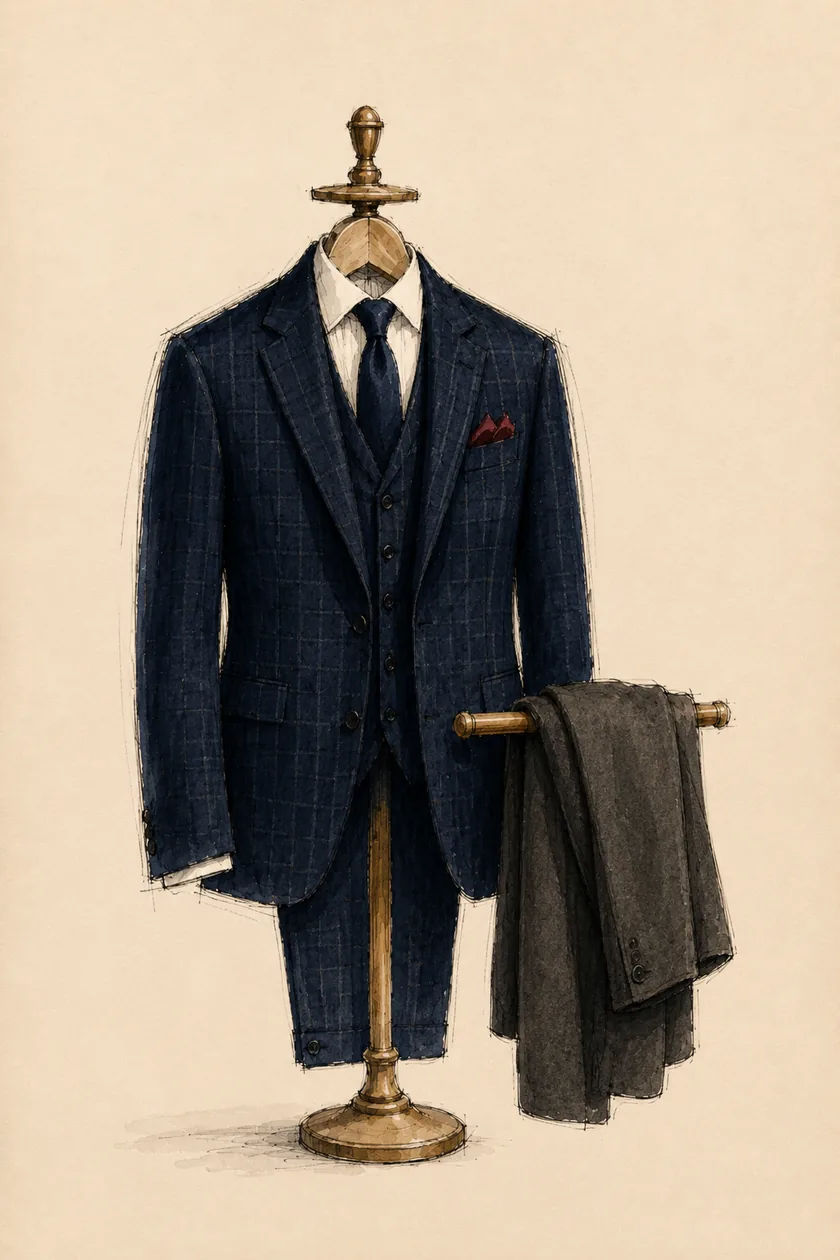
Navy or charcoal. Full stop. These two colors are safe in every room and flattering on nearly everyone.
Here’s the difference. Navy reads approachable and confident; it says “I’ll fit on your team.” Charcoal reads a touch more serious and precise, which is why it lands well in finance, law, and consulting. Navy also tends to make a younger candidate look sharp; charcoal lends a little gravitas if you’re early in your career and want weight behind you.
Skip black; it reads like a waiter or a funeral, not an office. Skip loud patterns and light grays for a first interview. A solid or a whisper-fine stripe is all you need. If you want to see the fabrics we build interview suits from, they’re in the Fabric Library; look at the four-season worsteds in navy and grey.
Does the suit really matter, or is it the fit?
Fit wins, every time. A cheaper suit that fits your body beats an expensive one that doesn’t, and the interviewer’s eye clocks the difference in the first three seconds.
Thirty years at the bench, and here’s what I watch for:
- Shoulder. The seam sits where your shoulder ends, not past it. This is the one thing tailoring can’t easily fix, so get it right at the source.
- Jacket length. It covers your seat and roughly halves your body top to bottom.
- Sleeve. A quarter-inch of shirt cuff shows. No more.
- Trouser break. A light break on the shoe, no puddling of fabric at the ankle.
- Waist. The jacket closes on one button with a flat, clean line, no straining X-pull.
Off-the-rack almost never delivers all five. That’s what tailoring is for. Whether we’re altering a suit you own or building one on our Drawing Board, the goal is the same: it looks like the suit was made for your body, because it was.
How formal should I dress for my industry?
Dress one level above the company’s daily code. That single rule handles almost every situation.
- Finance, law, consulting, banking: Full suit, navy or charcoal, white shirt, conservative tie. This is the room where a suit is expected, not optional.
- Corporate, sales, management: Full suit still wins. You can loosen to a navy blazer with grey trousers for a second-round or casual firm, but lead with the suit.
- Tech and startups: A suit can read as overdressed. A tailored blazer, a clean collared shirt, and dark trousers or dark denim usually hits it. When unsure, wear the jacket; you can always take it off.
- Creative and design: Show a little personality (a textured jacket, an interesting shoe) but keep it professional. One point of interest, not five.
When you genuinely don’t know the culture, overdress slightly. Nobody has ever lost a job for looking too put-together, and it’s easy to dress down on the spot.
What shirt and tie go with a navy or charcoal suit?
White or light-blue shirt, and a simple tie in a muted color. That combination is undefeated and it never distracts from your face.
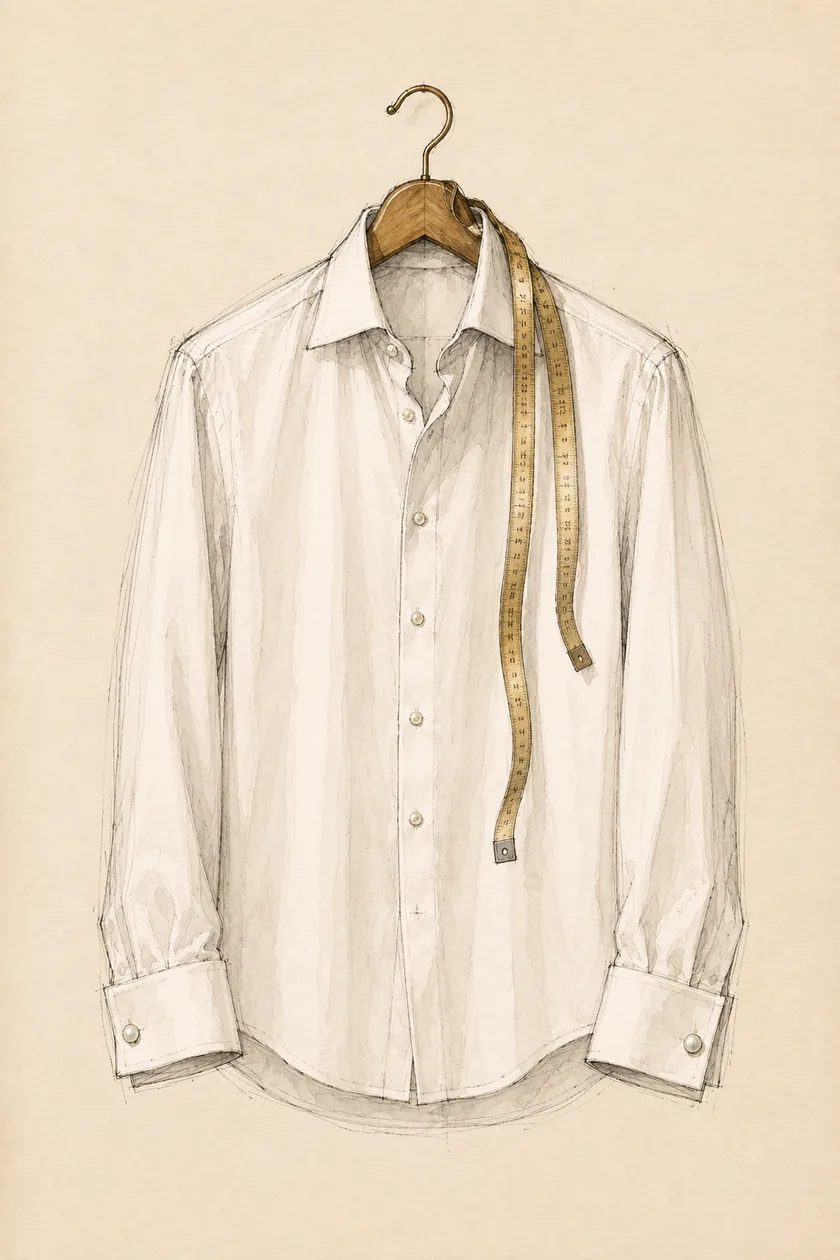
White shirt is the cleanest, most formal choice; pair it with either color suit and you can’t miss. Light blue softens the look a touch and photographs well on video calls. For the tie: a solid or small-pattern in burgundy, navy, or a deep tone. Keep the knot neat and the tip at your belt line.
Two quiet details that do a lot of work: your belt and shoes should match (both brown or both black; brown reads modern with navy), and your socks should cover your shin when you sit. No bare ankle in an interview.
What should I NOT wear to an interview?
Anything that pulls attention off you and onto your clothes. The suit’s job is to make you look capable, then get out of the way.
The list I’d steer you clear of:
- A suit that doesn’t fit: baggy shoulders, sleeves past the knuckle, trousers pooling at the shoe.
- Black suits for daytime office interviews.
- Loud patterns, shiny fabrics, or novelty ties.
- Scuffed or dirty shoes; people genuinely look, and it reads as “doesn’t finish the job.”
- Strong cologne. The room should not smell like you before you walk in.
- Anything you haven’t tried sitting down in. If it strains or rides up when you sit, it’ll do it in the chair across from them.
How long before the interview should I sort my suit out?
At least two weeks if it needs alteration, and don’t leave it to the night before. Rushed tailoring is visible tailoring.
If you already own a suit, bring it in and we’ll assess what a good alteration can do; often a shoulder-friendly suit just needs the waist, sleeves, and trouser length dialed in, and it’s ready fast. If you’re building one, plan for a couple of fittings so it’s genuinely right. Either way, wear it once before the day (walk in it, sit in it, reach across a table) so it feels like your own skin by the time it counts.
For the fuller picture on office dressing, our Business & Professional page walks through building a wardrobe that carries you from the interview into the job. And a few related reads worth your time: The Navy Suit, The Interview Suit, and Suits for Hard-to-Fit Bodies if standard sizing has never quite worked for you.
If you’ve got an interview coming up, bring the date and the suit you’re thinking of wearing, and we’ll get you sorted properly. Book an appointment or design your suit whenever you’re ready. We’ve been doing this on the Thornhill line a long time, and we’d be glad to have you look like the person who gets the offer.