The white shirt: the hardest working garment in a frum wardrobe
Updated August 2026 · by Sam Talkar
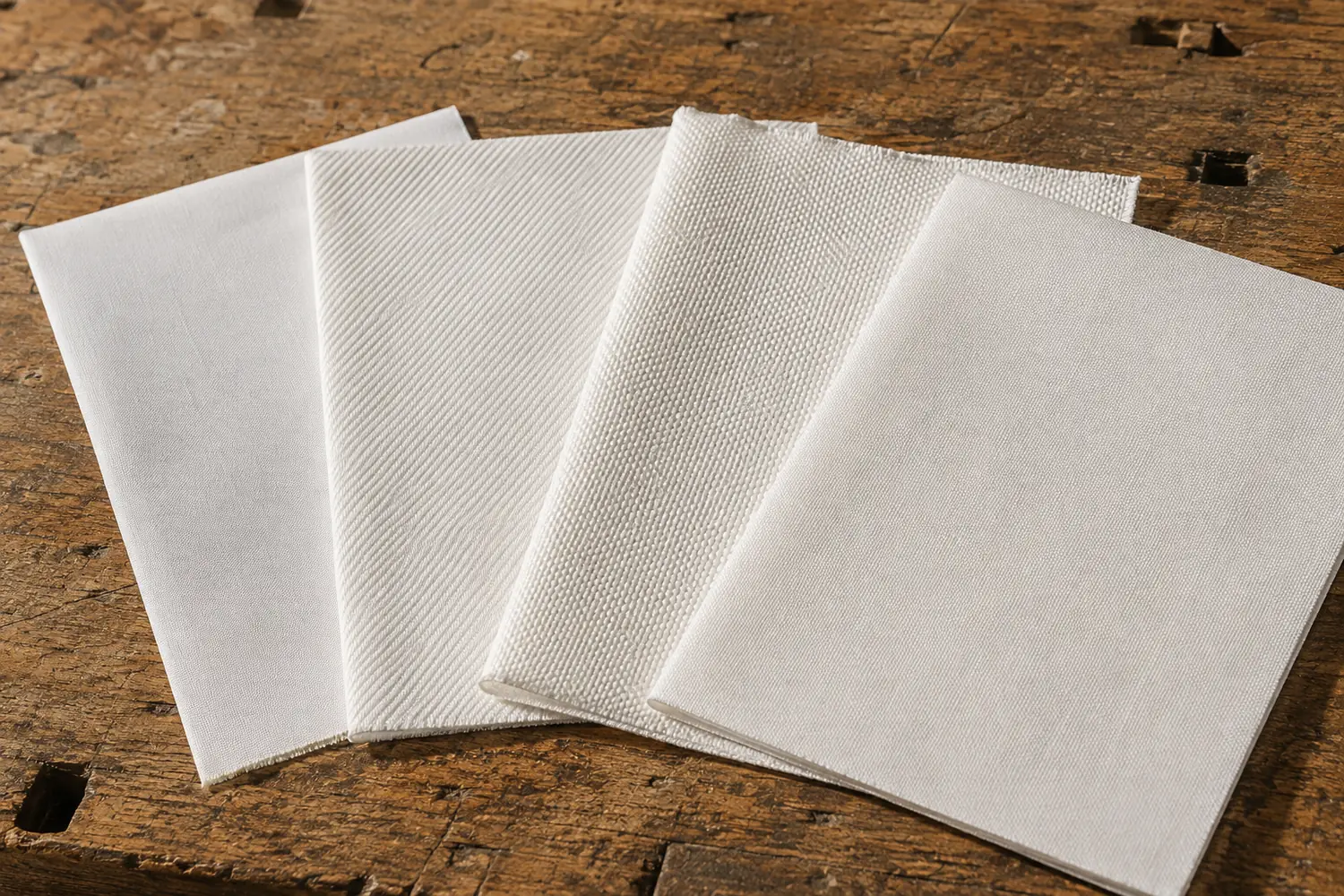
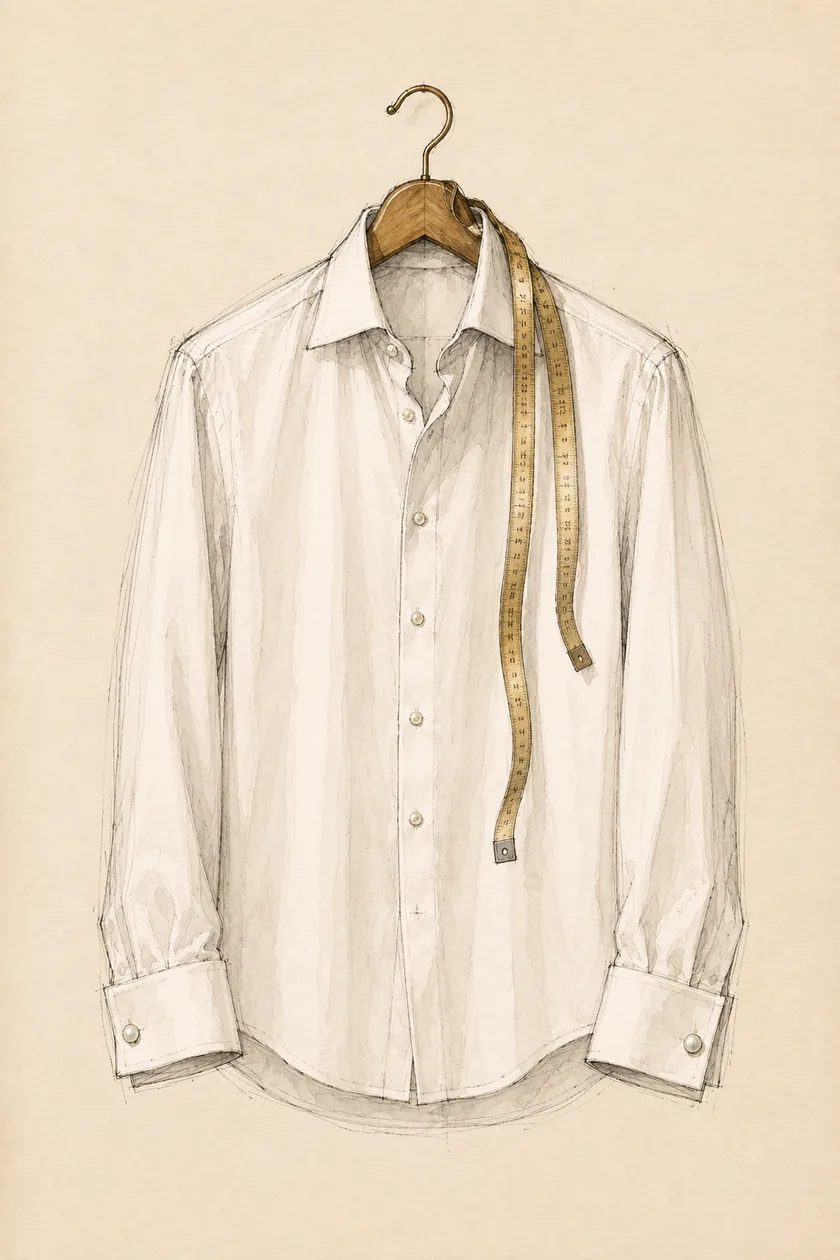
The white shirt does more work than anything else in a frum man’s wardrobe. In most homes it is what Shabbos looks like. In many Chassidish homes it is what every day looks like. Either way it is worn constantly, washed constantly, and replaced more often than it should be, because almost nobody chooses the cloth deliberately and the cloth is what decides how long it lasts.
This is the one garment in the whole series where a tailor genuinely changes the outcome.
Why white?
For Shabbos, white marks the day as different from the six around it. It is the same instinct as the kittel: white for what is elevated, set apart, clean. A man who wears colour all week and white on Friday night is saying something without saying it. The kittel guide →
In Chassidish practice the white shirt is daily rather than weekly, worn under the rekel or the kapota as standard dress. Kapota against rekel →
The practical consequence is the same in both cases. White shows everything, and it is the least forgiving colour a man can own.
Which cloth actually lasts?
This is the whole ballgame, and it is where cheap shirts lose.
- Poplin is smooth, crisp and slightly formal, the classic dress shirt cloth. It presses beautifully. Lighter poplins can go translucent, which matters more here than elsewhere.
- Twill has a subtle diagonal, drapes softer, resists creasing better and hides its own wrinkles. Easier to live in across a long Shabbos.
- Oxford is heavier and more textured, wears extremely well and reads more casual. Good for a boy, less right under a bekishe.
- Broadcloth and fine two-ply cottons are where the money goes. Two-ply yarn is stronger, holds colour and structure longer, and is most of the difference between a shirt that survives three years of weekly washing and one that does not.
The false economy is buying thin. A light single-ply white shirt looks fine on the hanger, goes limp by the tenth wash, and is grey by the following winter. A better cloth costs more once and gets worn for years. Choosing your cloth →
How do you stop tzitzis showing through?
The most common complaint about white shirts and almost never discussed openly.
Under a thin white shirt, a tallis katan reads through as a visible rectangle across the back and chest, and the shoulder seam of the tzitzis can print as a ridge. There are three fixes and only two of them are good:
- Go heavier on the shirt. A denser weave or a two-ply cloth stops the shadow entirely. This is the real answer.
- Go lighter on the tzitzis. A finer cotton tallis katan prints far less than a heavy wool one. Tzitzis explained →
- Wear an undershirt between them, which works but adds a third layer, and in August in Toronto that is a genuine cost.
If a man is constantly aware of this, the shirt cloth is too thin. It is fixable and it is worth fixing.
How should a white shirt fit?
Cleanly through the body and correctly at the collar and cuff, because white shows every fault that a dark shirt hides.
The points that matter:
- The collar should close comfortably with a finger’s room and sit flat against the neck. A collar worn under a coat and above a tie is on display all day.
- The shoulder seam lands at the edge of your shoulder. This is the one thing that cannot be altered afterwards and the one thing off-the-rack most often gets wrong.
- The body skims without pulling at the buttons. Pulling shows as gaping between buttons, and on white it is very visible.
- The sleeve length puts the cuff at the wrist bone so a little shows past a jacket sleeve.
- Length enough to stay tucked when he sits, stands and bends through a long davening. Short shirts come untucked and stay that way.
For a man who is broad, tall, short or otherwise hard to fit, this is exactly where made-to-measure earns its keep, because a white shirt has nowhere to hide. Suits for hard-to-fit bodies → · Custom dress shirts →
How do you keep white white?
Mostly by not doing the thing everyone does.
- Do not use chlorine bleach. This is the single biggest mistake, and the reason is worth knowing. Most easy-care and wrinkle-resistant cottons carry a resin finish, and chlorine lodges in that finish and is not fully rinsed out. It then keeps working on the cloth between washes, so the yellowing appears gradually over many cycles rather than immediately, which is exactly why nobody connects it to the bleach. It weakens the cellulose at the same time, so collars and cuffs fray sooner. Use an oxygen bleach instead, the OxiClean sort, which brightens without the same damage.
- Wash before it looks dirty. Sweat and body oils are invisible when fresh and turn yellow after they have sat, especially at the collar and underarm. A shirt worn once and hung up for next week is a shirt that will yellow.
- Treat the collar directly with a little detergent worked in before washing. That is where every white shirt dies first.
- Warm rather than hot. Hot water sets protein stains and shrinks cotton.
- Do not overload the machine. Shirts need room to move or they come out with set-in creases and wash unevenly.
- Dry away from the radiator and out of direct sun. Heat yellows stored white cotton, which is also why a shirt kept in a hot closet all summer can come out looking older than it is.
- Hang, do not fold, for storage. Fold creases in white cotton eventually become permanent lines.
An honest note on quantity. Men underbuy white shirts and then wonder why they wear out. Washing the same three shirts every week is what destroys them. Rotating six roughly halves the wear on each and they last more than twice as long, because damage compounds. Building a Shabbos wardrobe →
When is it worth having shirts made?
When you wear them constantly and cannot buy your fit.
That is a narrower case than most tailors admit. A man with an ordinary build who wears a white shirt on Shabbos can buy a good one off the rack in a decent cloth and be perfectly well dressed. There is no need to make it complicated.
The case for made-to-measure is real when the neck and the body do not agree, when the arms are long or short, when the shoulders are broad, or when a man is wearing white five or six days a week and the compounding cost of shirts that fit badly and die early becomes the actual expense. At that point cutting one pattern that fits and using it again is straightforwardly the cheaper path. Sam keeps the pattern on file, so the second shirt and the tenth come from the same measurements without starting over.
Custom dress shirts → · Back to the full arc: a Jewish man’s life in clothing →