What real estate agents should wear: polished, mobile, market-matched
Updated July 2026 · by Sam Talkar
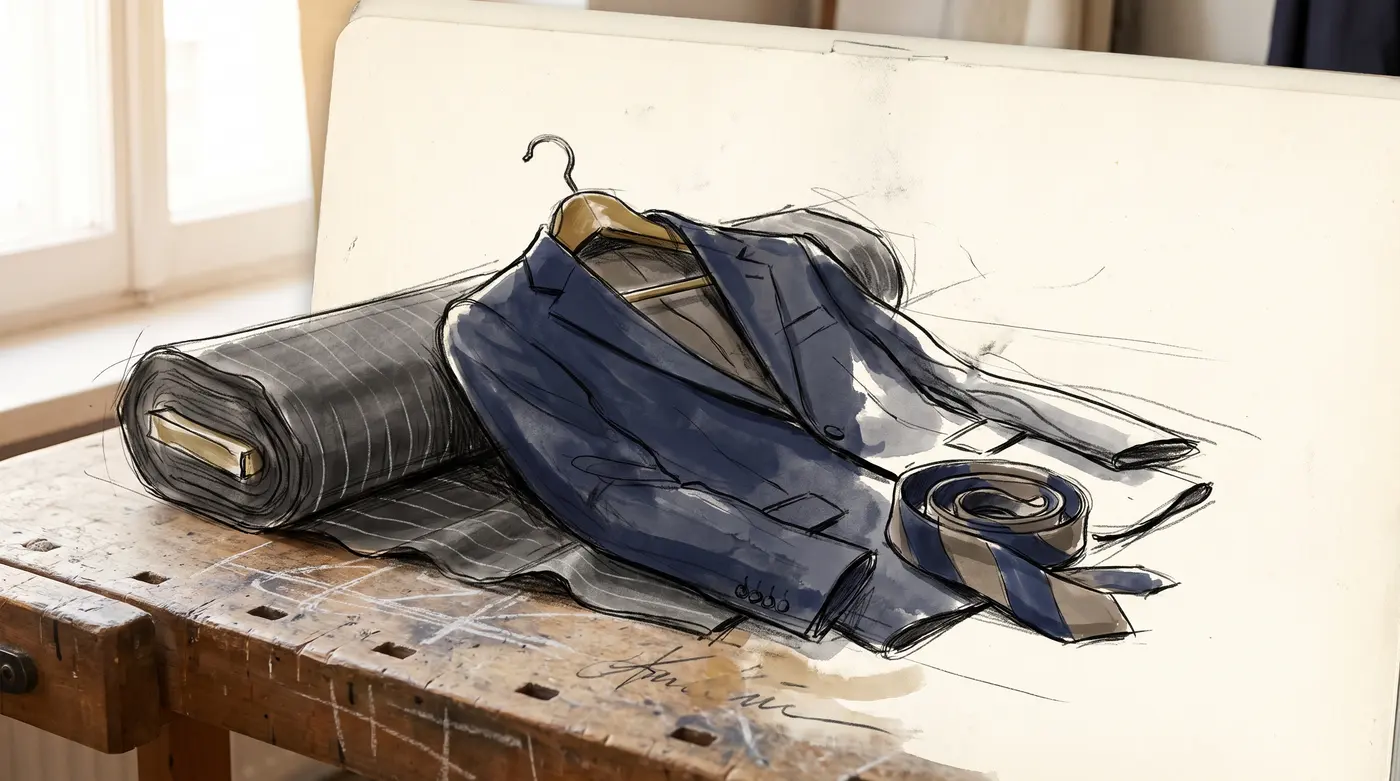
You are the product. Before a buyer trusts you with the biggest cheque of their life, they’ve already read your jacket, your shoes, and whether your trousers fit. The working answer for almost every agent: a good blazer, well-cut trousers or a tailored dress, a crisp shirt or blouse, and real shoes you can walk a listing in, all in neutral cloth, dialed up or down to match the market you’re selling. Not flashy. Fitted. That’s the whole game.
I’ve been fitting professionals across the GTA for over thirty years, including agents who show a $600k condo in the morning and a $4M Forest Hill listing after lunch, in the same outfit. Here’s how to dress so you look like the person who closes, and can still climb three flights and a snowbank to do it.
What should a real estate agent wear day to day?
Business casual with a blazer you can add or drop: tailored trousers or a sheath dress, a clean shirt or blouse, and comfortable dress shoes. Neutral colours. Nothing that reads sloppy or costume.
Most of your days aren’t the million-dollar listing appointment. They’re showings, open houses, buyer meetings, back-to-back in the car. So your everyday uniform has to survive that: sit, drive, walk, stand for three hours, and still look pressed at 6pm.
The workhorse is the blazer-and-good-trousers combo. A single blazer over a shirt or fine knit instantly separates “professional who does this for a living” from “person in nice clothes.” Add the jacket for the appointment, drop it in the car for the walk-through. That one layer does most of the heavy lifting, which is exactly why it has to fit. A blazer that pulls across the back or gapes at the collar undoes everything. See how a suit should fit; the same rules run a blazer.
How formal do agents actually need to be?
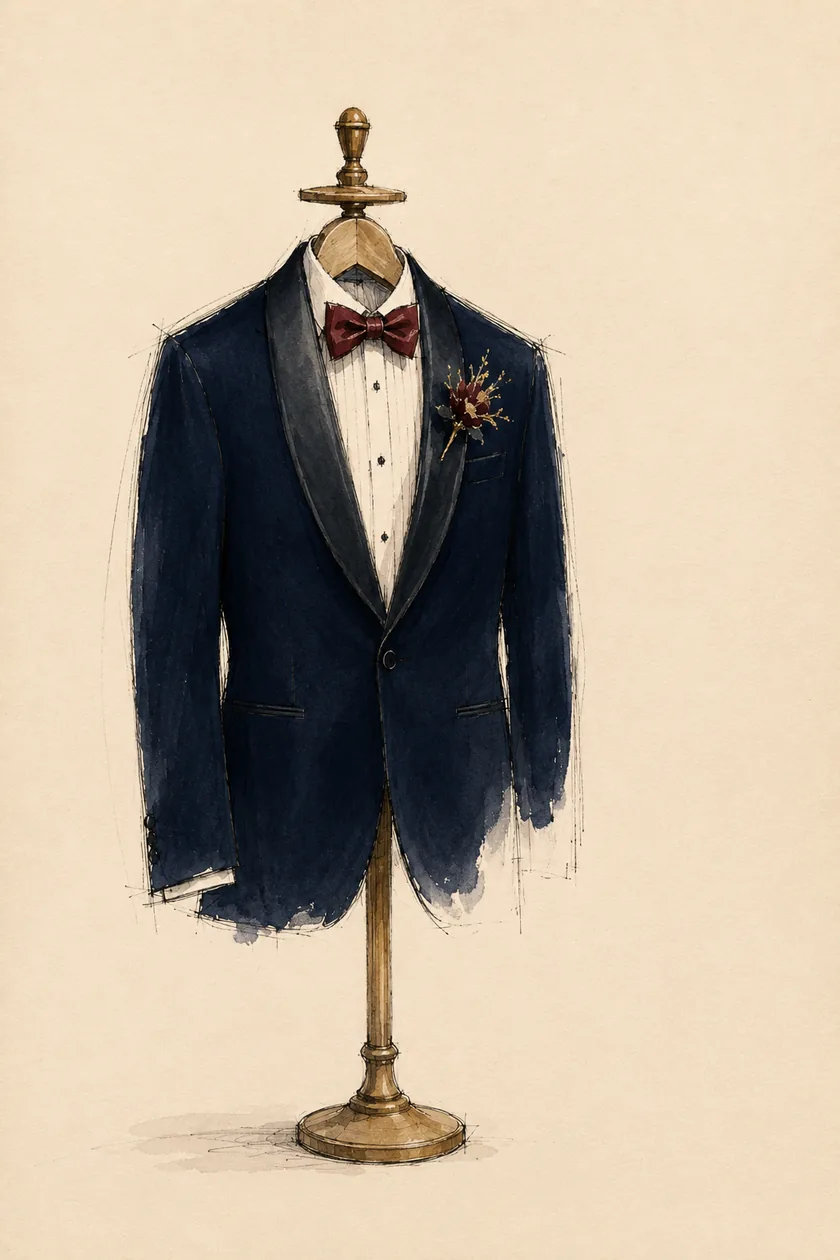
Match the room. Everyday showings are business casual; a serious listing appointment or luxury property calls for business formal: a proper suit or a structured tailored dress. Read the market, then dress one notch above your client.
Nobody expects a full suit to show a starter condo; you’d look stiff and out of touch. But walk into a listing pitch for a $3M home dressed like you’re grabbing coffee, and the seller quietly wonders if you can handle their biggest asset. The rule I give every agent: dress a half-step above the client, never below.
- Everyday / showings: blazer, trousers or tailored dress, clean shoes.
- Listing appointment / luxury: full suit (men), tailored suit or sheath dress with sleeves (women), polished shoes, one good watch.
- Open house: business casual that photographs well. You’ll be in a lot of phone photos.
What colours and cloth work for the job?
Neutrals: navy, charcoal, grey, black, and soft tones like ivory or blush for shirts and blouses. They read trustworthy, photograph clean, and mix without thinking. Save loud colour for one accessory.
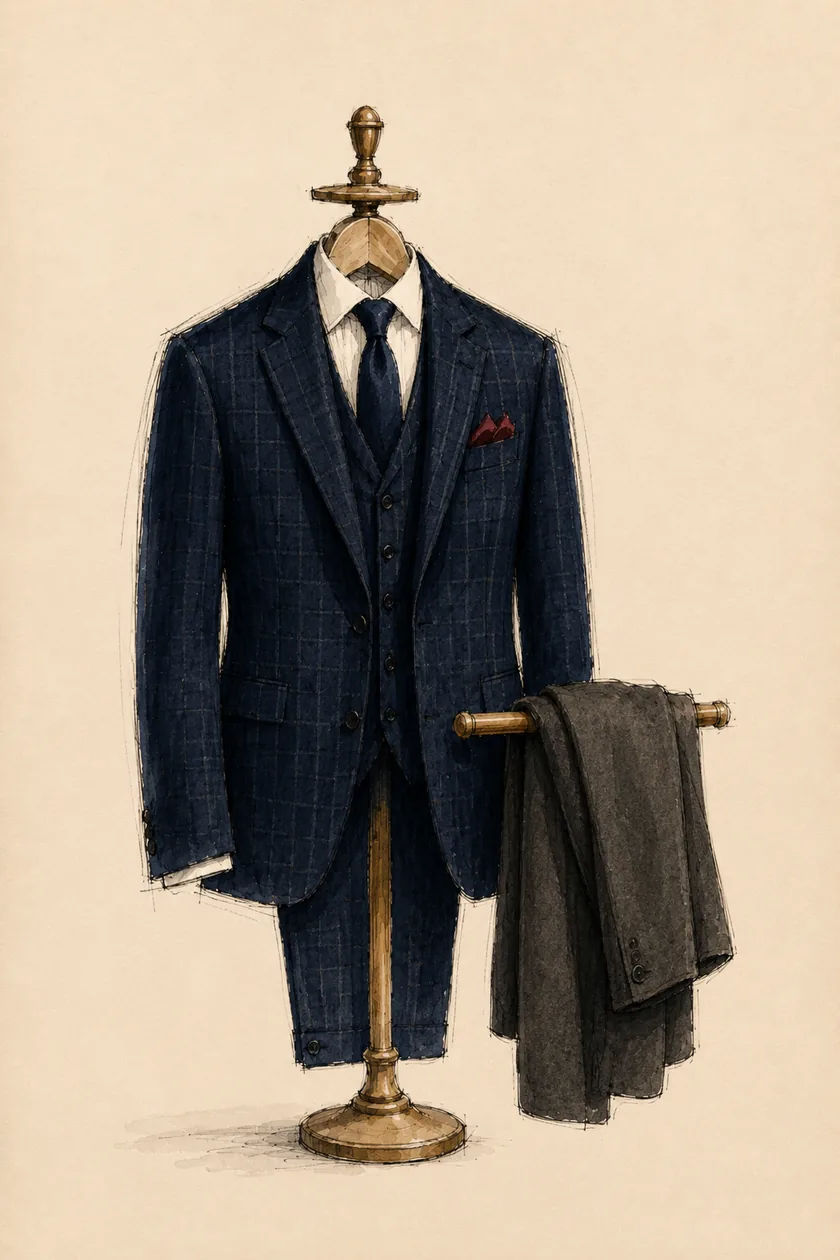
Navy is the hardest-working colour you own. It says competent and approachable without shouting. If you build one suit or blazer, make it navy. Charcoal and mid-grey do the same work with less warmth.
On cloth: you’re in and out of cars all day, so you want a wool or wool-blend with some crease-recovery: a mid-weight worsted, a hopsack blazer, a little stretch woven into trousers. Skip pure linen for daily wear (it looks slept-in by noon) and skip cheap all-polyester (it shines, it sweats, it photographs cheap). Good cloth is the difference between “still sharp at the fourth showing” and “wilted.”
What shoes can you actually walk a listing in?
Real leather loafers, low block heels, oxfords, or clean ankle boots: professional shoes built to walk. You’re on your feet and on gravel driveways all day. Comfort here isn’t optional; it’s the job.
This is where agents most often get it wrong in both directions. Towering heels die on a property tour and on hardwood you’re trying not to scuff. Beat-up sneakers or flip-flops kill the polish instantly. The sweet spot: a loafer or low-heel with a real sole and support, in a colour that goes with everything. Buy the pair that survives a full day of open houses and still looks like you meant it. Keep them clean; scuffed shoes are the first thing a detail-oriented seller clocks.
How do you dress for Toronto’s seasons and weather?
Layer. A blazer plus a proper topcoat gets you through most of the GTA year; carry a spare jacket in the car. Winter needs a real wool overcoat and boots you swap out; summer needs breathable cloth and a lighter blazer.
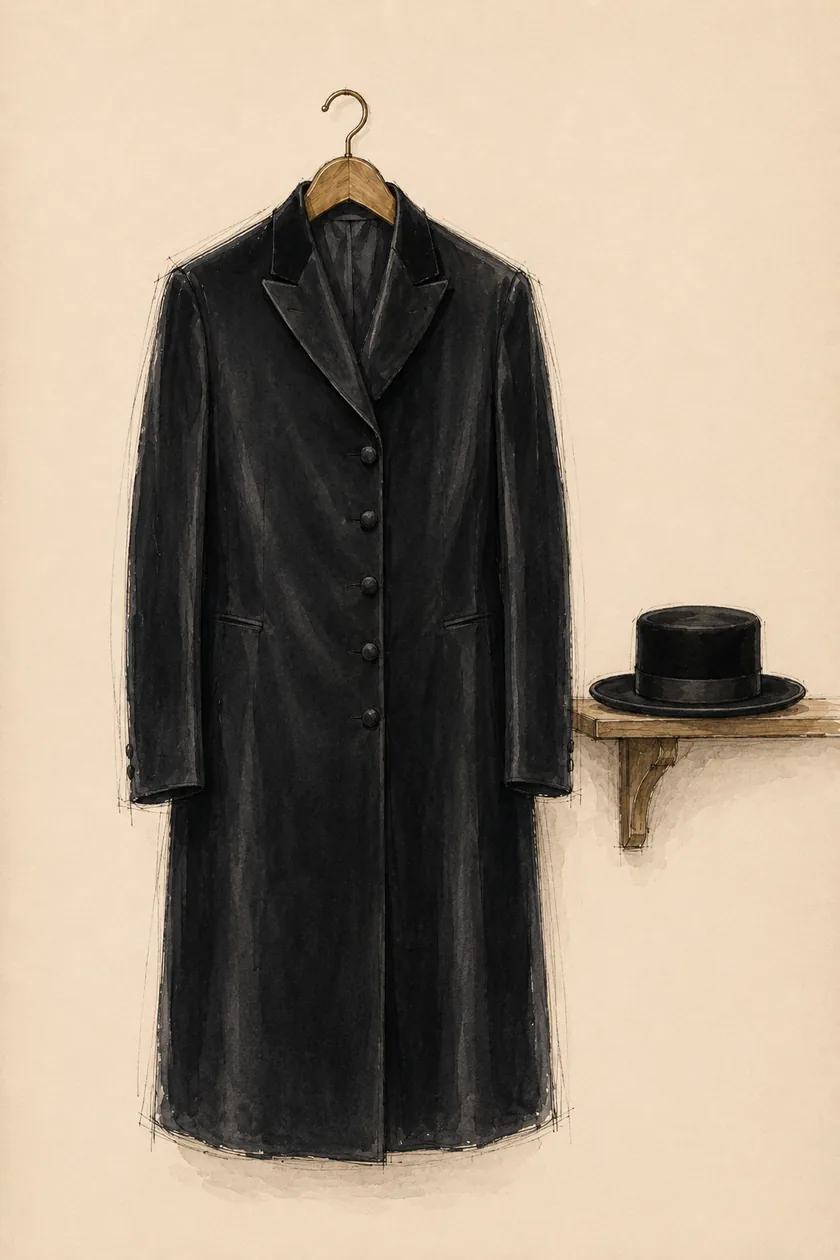
Toronto makes you dress for two climates in one day. A January listing tour means salt, slush, and a client who’s judging whether you look put-together while it’s minus fifteen. A structured wool overcoat over your blazer is the move; it reads serious and it’s warm. Keep proper boots in the trunk and change into your good shoes at the door.
Summer and shoulder season: an unlined or half-lined blazer in hopsack or fresco breathes far better than your winter jacket, and a light trench handles the rain without wrecking the outfit. The pro habit worth stealing: a clean spare blazer or shirt in the car for the day a coffee lands on you between appointments.
Men vs. women: what’s the real difference?
Less than you’d think. Both need a blazer that fits, trousers or a dress cut clean, real shoes, and neutral cloth. Men lean suit-and-tie for luxury; women get more versatility with tailored dresses. Fit and polish rule both.
For men: a navy or charcoal suit for listing days, blazer-and-trousers the rest of the time, a tie only when the room warrants it, belt matching the shoes, one subtle watch. Nothing trendy that dates in a season.
For women: a well-cut pantsuit and a tailored sheath dress cover almost everything. The dress dresses up with a blazer and heels, down with flats for a showing. Silk or fine-cotton blouses in soft tones keep it polished. Structured bag over a floppy one; it reads organized.
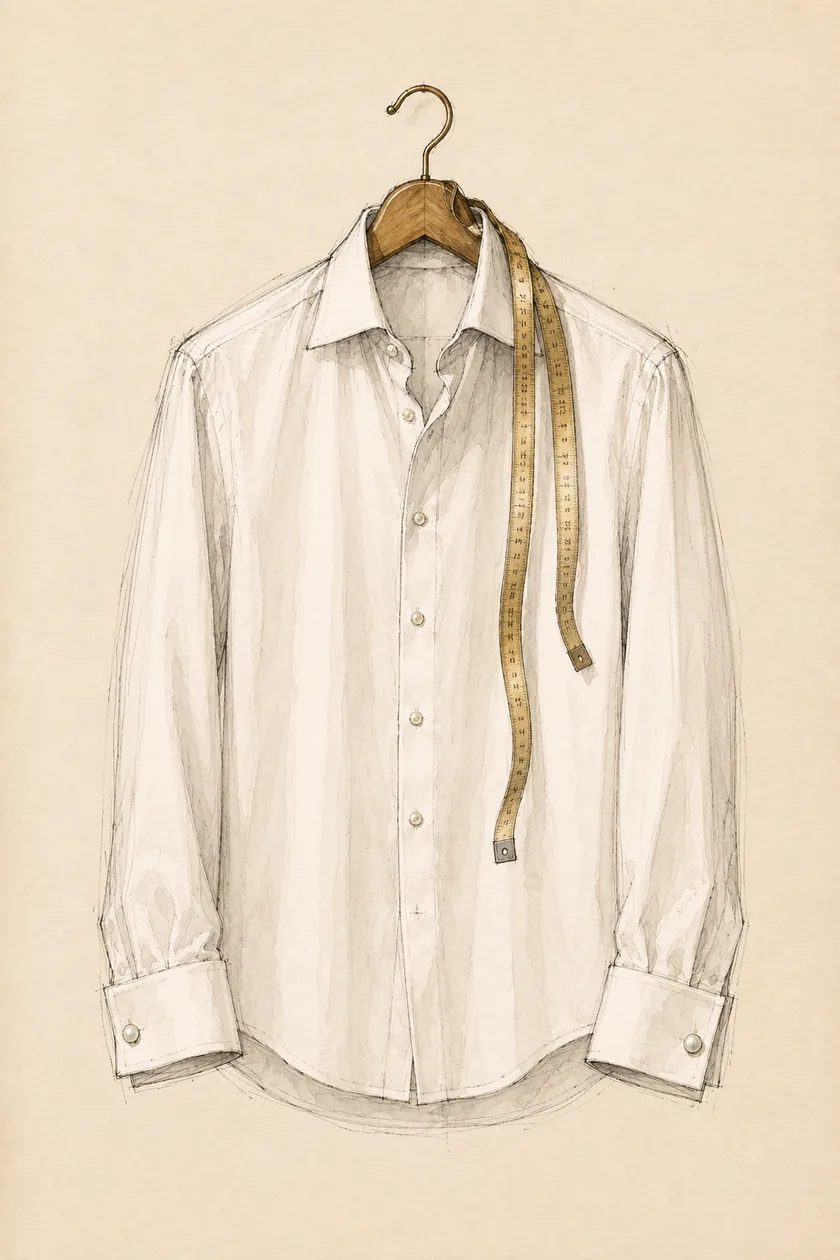
The one lever that matters for both: fit, not flash. A $200 blazer that’s been tailored to you beats a $900 one hanging off the rack every single time. Off-the-rack rarely fits a real body correctly: the shoulders, the sleeve length, the waist. That’s the part clients feel even if they can’t name it, and it’s the part I fix on the bench.
The bottom line
You’re selling trust and competence before you say a word, and doing it on your feet in the weather. Build a small, fitted, neutral wardrobe (a couple of blazers, good trousers, a suit for the big days, shoes that walk) in cloth that survives your car. Match the market, stay a half-step above the client, and let the fit do the talking.
If you want the interview-day version of this thinking, the interview suit guide covers first-impression dressing; for a client-facing business look, see dressing for business. And if your work runs adjacent, plenty of agents also read our take on the navy suit as the one-suit foundation.
I fit agents from downtown towers to suburban brokerages, right across the GTA. Book a fitting and we’ll build the two or three pieces that carry your whole week of showings, or design a suit from scratch for the listing-pitch days. Fit is the lever. Let’s pull it.