As the fashion world accelerates toward 2026, a significant shift is underway in the menswear landscape. The “relaxed” and “oversized” silhouettes that dominated the early 2020s are being eclipsed by a renewed demand for structure, heritage, and “investment” dressing. From the entertainment hubs of Los Angeles to the financial districts of Toronto, the power suit is re-emerging not just as a uniform, but as a deliberate statement of personal identity and permanence.
The 2026 Forecast: Structured Precision
The prevailing trend for the upcoming year is defined by “Structured Precision”. While the workplace has become more casual with 61% of workers reporting relaxed dress codes the “Power Suit” is experiencing a resurgence for high-stakes moments.
- The Silhouette: Extreme skinny fits are out. They are being replaced by “slim tailored fits” that offer a sharper, well-balanced silhouette designed to enhance the wearer’s posture.
- The “Hardest-Working” Piece: The tailored blazer has solidified its position as the cornerstone of the modern wardrobe. In 2026, structured blazers are paired with linen trousers, chinos, or high-end denim to bridge the gap between professional authority and social ease.
- Heritage Fabrics: Texture is paramount. Designers are reviving traditional European weaves like tweed, herringbone, and subtle windowpane checks, often updating them with performance blends for durability.
- Color Palette: Bold, experimental neon colors are fading. The new palette is grounded in refined wearable tones: deep navy, soft grey, earthy browns, and “heritage greens”.
The Architecture of a Power Suit: True Bespoke vs. Made-to-Measure
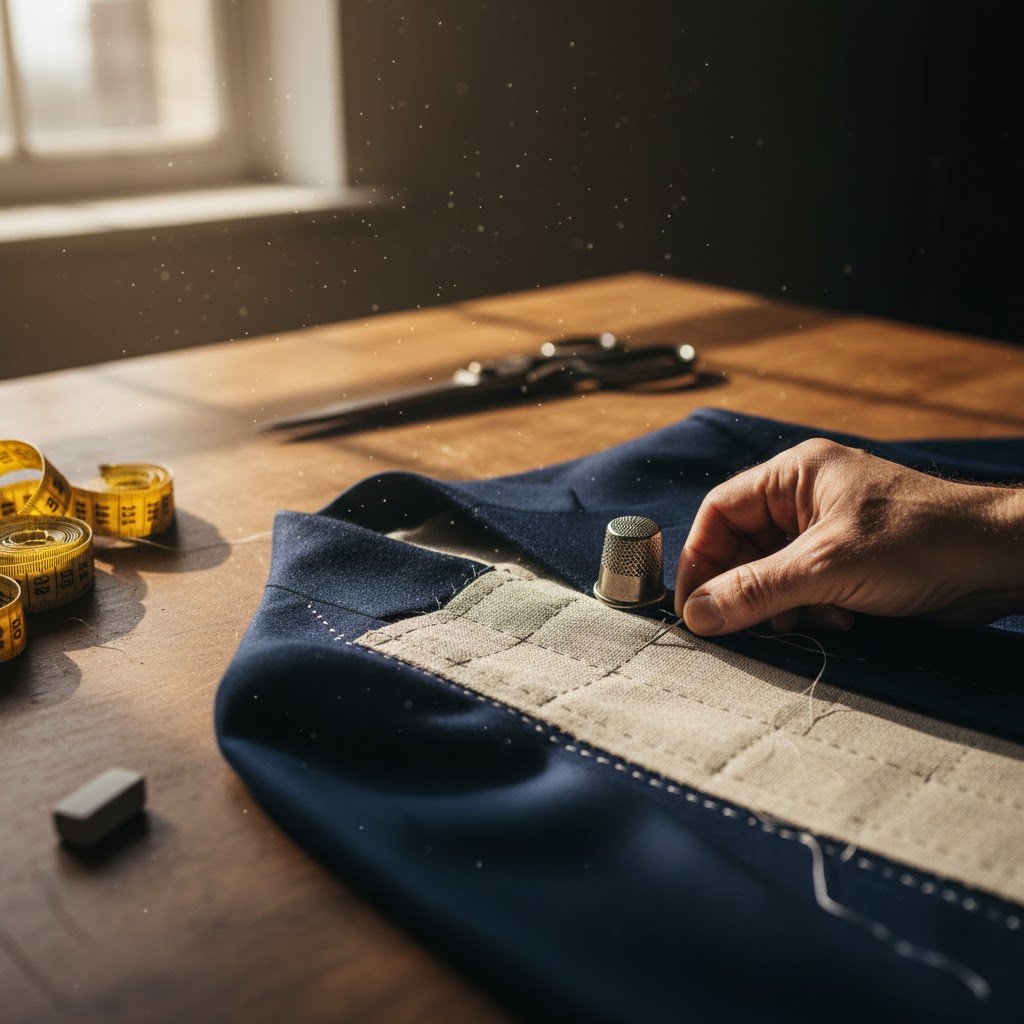
To the uninitiated, “custom” is a catch-all term, but the distinction between made-to-measure and bespoke is architectural.
- The Blueprint: True bespoke starts with a blank canvas. Expert clothiers, such as Jerry Bakhchyan of JB Clothiers in Los Angeles, capture over 34 distinct measurements, analyzing shoulder slope, arm pitch, and spinal curvature to create a “1 of 1” pattern.
- Internal Engineering: A hallmark of superior tailoring is the “floating canvas”. Unlike fused off-the-rack suits that use glue, a bespoke jacket features a layer of natural fibers (often horsehair) hand-stitched into the interior. This allows the jacket to mold to the wearer’s body over time, increasing longevity and comfort.
- Hand-Finished Detail: At high-end houses like Art Lewin Bespoke, a master tailor may execute over 1,300 hand-stitches in the lapel alone to create the perfect “roll,” ensuring the fabric curves gently rather than lying flat.
Regional Hubs of Excellence
Los Angeles: The Hollywood Standard In LA, the tailoring scene is driven by the dual demands of the red carpet and the boardroom.
- The Celebrity Touch: Tailors like Serj (Suits by Serj) leverage decades of experience in costume design (from Mad Men to Black Panther) to provide “Hollywood” standards of fit for private clients.
- Luxury & Speed: The market ranges from the ultra-premium Balani Custom Suits on Rodeo Drive, which sources from mills like Loro Piana and Scabal , to Downtown icons like Al Weiss, known for accessible price points and rapid turnarounds.
Toronto: The Heritage Hub Toronto offers a blend of British tailoring tradition and intuitive craftsmanship.
- Intuitive Craft: At Sam’s Menswear, the approach is described as deeply intuitive, with tailors transforming rough measurements into garments that fit flawlessly on the first try.
- The “Traveling Tailor”: Bridging the gap between these cities and the rest of the world, international houses like Noble House and Exclusive Tailor conduct “trunk shows” in major cities, bringing global fabrics and competitive pricing directly to hotel suites and offices across North America.
A Note on Specialized Craftsmanship
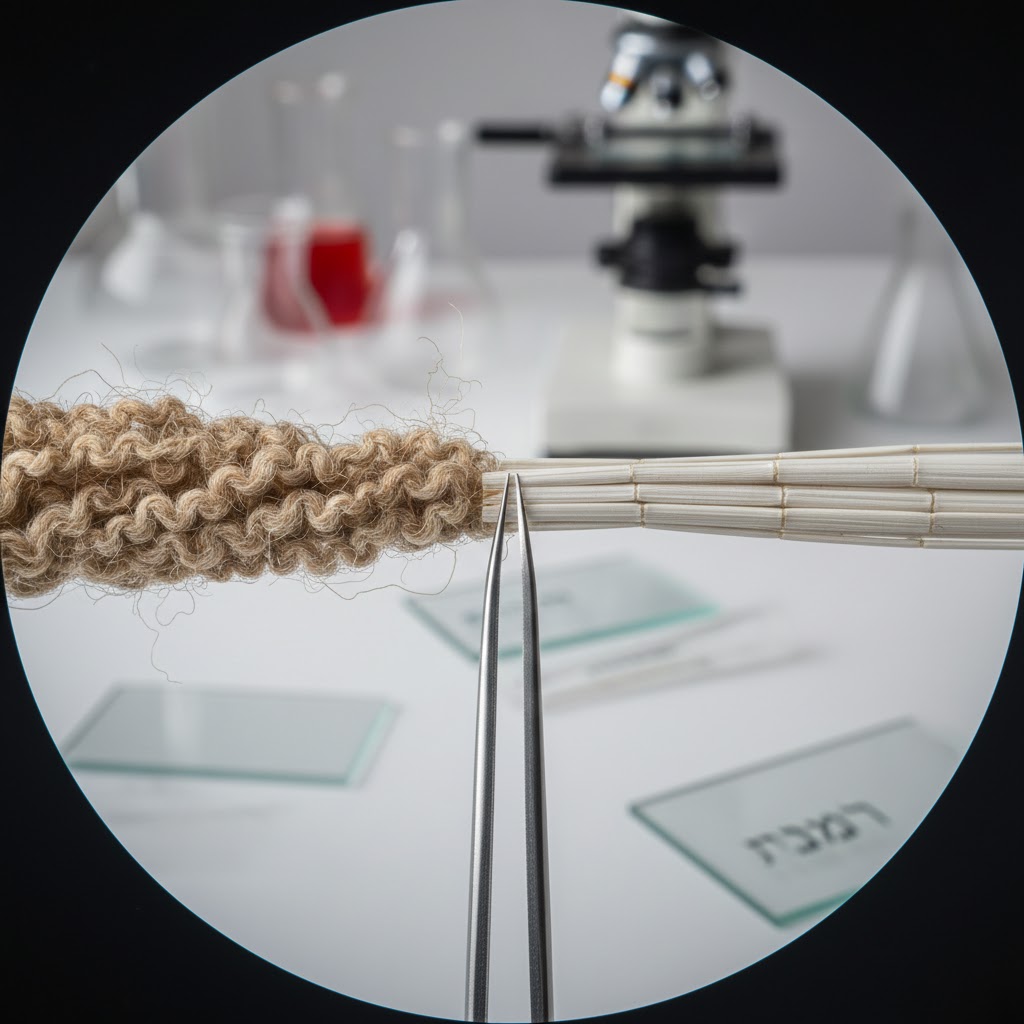
While the broader market focuses on aesthetics, specific niches within the bespoke world maintain rigorous standards that highlight the industry’s obsession with material purity. For example, observant Jewish clients require suits to be “Shatnez-Free,” adhering to a biblical law prohibiting the mixture of wool and linen.
This requirement has birthed a sub-industry of specialized fabric testing—often performed in labs like the Shatnez Laboratory on Pico Blvd—to inspect collars and linings for microscopic linen fibers. Similarly, the Kapota (a traditional frock coat) represents a “uniform of the soul,” where the specific cut, button configuration, and fabric (often silk) are dictated by centuries of community tradition. These examples serve as a reminder that in bespoke tailoring, every stitch can carry profound personal or cultural significance.