It starts the way these stories always start.
A groom walks into Sam’s with a suit bag in his hand and a look on his face like he just got tricked by someone he trusted.
Not angry. Not even dramatic. Just… disappointed.
He puts the suit bag down like it’s evidence.
Sam doesn’t jump into “sales mode.” He doesn’t even ask about lapels.
He asks the real question.
“Tell me what happened.”
The groom sighs.
“It’s from a reputable place,” he says. “It looked amazing in the store.”
Sam nods like he’s heard this exact line a hundred times. Because he has.
The groom continues.
“They told me it was Italian wool. They said it was basically the same as the expensive one. I believed them.”
Sam smiles a little, not in a rude way. In a “welcome to the club” way.
Then he says the sentence that becomes the theme of the entire appointment:
“Fabric doesn’t lie. The photos will tell the truth.”
Scene 1: The suit fabric betrayal
Sam unzips the bag and pulls the jacket out.
It looks fine at first. Navy. Clean. Modern.
Then Sam does one tiny move that changes everything.
He tilts the jacket under the light.
A glossy sheen appears. Not a tasteful glow. A plastic shine.
The groom’s face drops. “That’s what I saw in my photos.”
Sam nods again. Calm. No judgment.
“This is why I start with suit fabric,” he says. “A bad fit can be fixed. Bad suit fabric shows up forever.”
Scene 2: The “reputable store” horror stories
Sam doesn’t rant about other stores. He just tells the truth. He’s seen too many grooms show up with the same regret.
Here are the three most common suit fabric horror stories.
Horror story 1: “Italian wool” that means “Italian vibes”
The tag says something fancy. The salesperson says “Italian.” The groom hears “quality.”
Then the suit fabric turns out to be a wool blend with a lot of synthetic.
Synthetics are not automatically evil. But they behave differently:
- they can trap heat
- they can look shiny under flash
- they can feel stiff after a few hours
- they can wear out in weird ways
Sam’s rule: if someone says “Italian wool,” ask for the fiber percentages. If they can’t answer clearly, assume the suit fabric is doing marketing, not performance.
Horror story 2: The Super number flex that backfires
The groom says, “They told me it’s Super 180s.”
Sam says, “Okay. That’s not automatically good or bad.”
Then he explains the part most people never learn.
Super numbers are not a quality score. They describe fiber fineness.
Finer can feel softer. Finer can also wrinkle easier and wear faster if the suit fabric is too delicate for your lifestyle.
A groom buys very fine suit fabric, then spends the wedding day smoothing his jacket like he’s ironing himself.
Horror story 3: “This is basically the same as the expensive one”
This line has caused more regret than any pattern choice.
Two suit fabrics can look similar. One can drape clean and hold shape. The other can pill, shine, and collapse after a season.
Sam’s rule: if you can feel the difference in your hand, it is not the same.
Scene 3: Suit fabric explained like a normal person
The groom leans forward. “Okay. Teach me. What am I paying for?”
Sam says, “Perfect. Because suit fabric labels are designed to confuse you.”
Then he pulls out the topic that sounds impressive and causes the most confusion:
Super numbers.
What Super 100s, Super 120s, Super 150s actually mean
Here’s Sam’s plain-English breakdown.
Super numbers describe how fine the wool fiber is.
- Super 100s and 120s: thicker fibers, usually more durable
- Super 130s and 150s: finer fibers, usually softer and more elegant
- Super 160s to 180s and up: very fine, very soft, often more delicate
Now the useful part.
Super 100s to Super 120s suit fabric
This is the sweet spot for most men, especially if you want the suit to live a real life.
- holds shape
- resists wrinkles better
- lasts longer
- still looks refined in photos
If you want a wedding suit you can wear again without babying it, this range is usually a smart buy.
Super 130s to Super 150s suit fabric
This is where people start saying, “Oh wow.”
- softer hand feel
- elegant drape
- great for grooms and special events
Still practical if your suit fabric choice matches your habits and the suit is built properly.
Super 160s, 180s, 200s suit fabric
This is “treat yourself” territory.
- very soft
- very light
- beautiful in the right context
But:
- it can wrinkle easier
- it can wear faster if used as a daily suit
- it is not always the best choice for a long, chaotic wedding day
Sam’s advice: do not buy a Super number to impress a label. Buy suit fabric that fits the day you’re actually having.
Scene 4: The suit fabric questions that protect you
Sam tells every groom the same thing.
“If you want to avoid regret, you need answers, not vibes.”
So he gives a checklist. Simple. Direct.
Ask these questions anywhere you buy a suit fabric story:
- What is the exact fiber content percentage?
- What is the fabric weight?
- Will this suit fabric shine under flash photography?
- Is this built for summer heat or indoor warmth?
- Is this a daily suit fabric or special occasion suit fabric?
- If my weight changes, can it be adjusted cleanly?
If the answers are vague, the suit fabric is probably doing more talking than it should.
Scene 5: Can suit fabric claims be verified?
The groom asks the question quietly.
“So did they lie?”
Sam answers carefully.
“Sometimes people oversimplify. Sometimes they don’t know. Sometimes the label is vague on purpose.”
Then he gives the groom his favourite sentence in the entire industry:
“Suit fabric can be tested.”
There are textile labs that can verify fiber content. Most people will never go that far, but the point matters. Suit fabric truth exists.
Sam’s practical version is simpler:
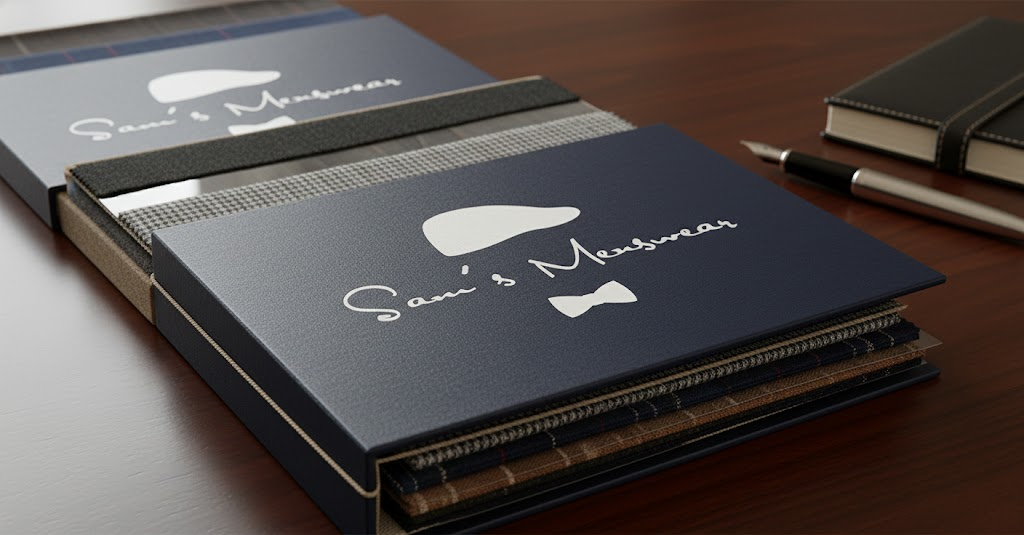
- use proper fabric books
- choose known mills when possible
- check fiber percentages
- judge the suit fabric in real light, not only store lighting
A quick Shatnez שעטנעז note (small, important, respectful)
Right before the groom leaves, Sam adds something for observant clients.
Shatnez שעטנעז is the prohibition of mixing wool and linen in the same garment.
Most guys never think about it. Observant families do, and they should.
Sam’s approach is clean:
- choose suit fabric and construction with awareness
- if needed, arrange Shatnez testing through a qualified tester before wearing
No fear. No drama. Just doing things properly.
2026 suit fabric trends that actually help real people
Sam keeps trends practical. If it does not improve comfort, drape, or longevity, he doesn’t care.
Here’s what’s coming in 2026 that matters.
Heritage and textured suit fabric is back
- refined herringbone
- modern tweeds
- subtle checks and windowpane patterns
These add depth without looking loud. Great for blazers and suits that need personality but still look timeless.
Breathable natural suit fabric is winning
- linen and linen blends for warm months
- cotton staying strong for shirts, especially textured cottons
This matters for summer weddings and long days. Comfort is not optional when you’re wearing a suit for 10 hours.
Luxury fibers, used intelligently
- very fine wool is still popular
- rare fibers like cashmere and vicuna show up in higher-end cloth
- pure silk can be a serious option for specific traditional garments where drape matters
The point is not flexing. The point is choosing suit fabric that behaves.
Performance and sustainability
More suit fabric collections are built for longevity and real movement:
- better durability
- better comfort
- better wrinkle performance
- less fast-fashion mentality
Final scene: the groom exhales
The groom stands up.
He came in thinking he needed a suit.
He leaves realizing he needed a suit fabric plan.
Sam didn’t just explain cloth. He gave him certainty.
And that’s the real takeaway.
Suit fabric is not a detail. It’s the foundation.
When it’s right:
- you stop fidgeting
- you look clean in photos
- you stay comfortable
- you feel like yourself, upgraded
When it’s wrong, it becomes the plot twist you didn’t ask for.
If you’re planning a wedding or a black tie event, start with suit fabric. Sam will guide you in plain language and help you choose what actually makes sense.
FAQ: Suit Fabric for Weddings, Black Tie, and Real Life
What does “suit fabric” actually mean?
Suit fabric is the cloth the suit is made from, usually wool or a blend. It determines comfort, breathability, how the suit drapes, how it wrinkles, and how it looks in photos. A great fit in the wrong suit fabric can still look off.
What is the best suit fabric for a wedding suit?
For most grooms, a high quality wool suit fabric in the Super 100s to Super 130s range is the safest bet. It holds shape, looks clean in photos, and stays comfortable for a long day. For summer weddings, lighter suit fabric weights and breathable blends matter more than chasing high Super numbers.
What do Super 100s, Super 120s, Super 150s mean in suit fabric?
Super numbers describe wool fiber fineness.
- Super 100s to 120s suit fabric is usually more durable and wrinkle resistant.
- Super 130s to 150s suit fabric is softer and drapes more elegantly.
- Super 160s and up suit fabric can be very soft but often wrinkles easier and wears faster.
Higher is not automatically better. It is a tradeoff.
Is a higher Super number always better suit fabric?
No. Higher Super suit fabric can feel softer, but it can also be more delicate. Many grooms are happier in Super 100s to 130s because it stays sharp longer and handles a full wedding day better.
What suit fabric is best for summer in Toronto?
Look for lighter weight wool suit fabric, breathable weaves, or linen blends depending on formality. A summer suit fabric should breathe, not trap heat. If you run warm, avoid heavy linings and overly synthetic blends.
Why does some suit fabric look shiny in photos?
Shine often comes from synthetic content, certain finishes, or cheap dye and weave choices. Store lighting can hide it. Flash photography exposes it. If the suit fabric has a plastic sheen under bright light, it will usually look worse in wedding photos.
Are wool blend suit fabrics bad?
Not always. Some performance blends can be practical. The issue is when “wool blend” is used to hide a high synthetic percentage that causes shine, heat, and stiffness. Always ask for the fiber content percentage.
How can I avoid bait-and-switch when buying suit fabric?
Ask direct questions:
- What is the exact fiber content percentage?
- What is the fabric weight?
- Will this suit fabric shine under flash?
- What Super number is it and what is the durability tradeoff?
If the answers are vague, you are being sold a story, not suit fabric.
Can suit fabric be lab tested?
Yes. Fiber content can be verified through textile testing. Most people do not do it, but it matters to know that “what it really is” is not a mystery. The practical version is buying from reputable fabric books and confirming fiber content clearly.
What suit fabric is best for a tuxedo?
Traditional tuxedo fabrics are usually wool. The key is a suit fabric that looks clean under light, holds structure, and does not shine in a cheap way. This is where fabric quality and finishing matter a lot because black shows everything.
What is Shatnez שעטנעז and how does it relate to suit fabric?
Shatnez שעטנעז is the prohibition of mixing wool and linen in the same garment for observant Jewish clients. If this applies to you, the suit fabric and construction choices should be made with awareness, and if needed, the finished garment can be checked by a qualified Shatnez tester before wearing.
If my body changes before the wedding, does suit fabric matter?
Yes. Suit fabric affects how cleanly a suit can be adjusted and how it will continue to drape after alterations. A stable, well-behaved suit fabric makes last minute adjustments easier and the result looks cleaner.
